The Story
Why it exists.
The beginning
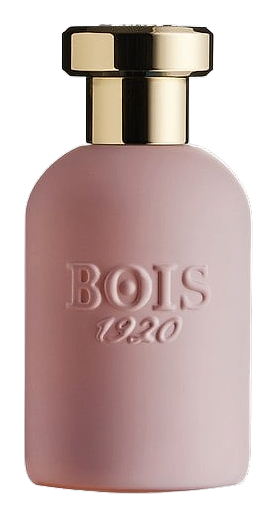
Christian Carbonnel designed Oro Rosa around a single tension: what happens when rose doesn't apologize for being rose? The name says it all. "Oro Rosa" means golden rose, and in Italian that carries weight, ceremony, the idea of something precious that refuses to be delicate. The opening fruit does the rest, lending juiciness and brightness that contrasts with the boldness of the rose at the heart. There is no attempt to soften the floral element; instead, it is presented in full, unapologetic bloom, surrounded by the golden warmth of the composition. The tension between delicacy and strength, between garden and gold, is what gives the fragrance its distinctive character. Each element earns its place, and the rose remains the protagonist throughout the development.
What makes the structure interesting is that the rose doesn't wait for the drydown. It's there from the opening, holding space inside the fruit accord rather than arriving as a rescue mission later. The heliotrope adds a powdery softness that could tip into nostalgia on paper, but the lychee keeps it tropical and the musk keeps it grounded. It's a composition that knows exactly what it is: a sweet scent that refuses to be naive about it. The vanilla in the base isn't heavy, it's warm. A gentle landing rather than a dramatic finale.
The evolution
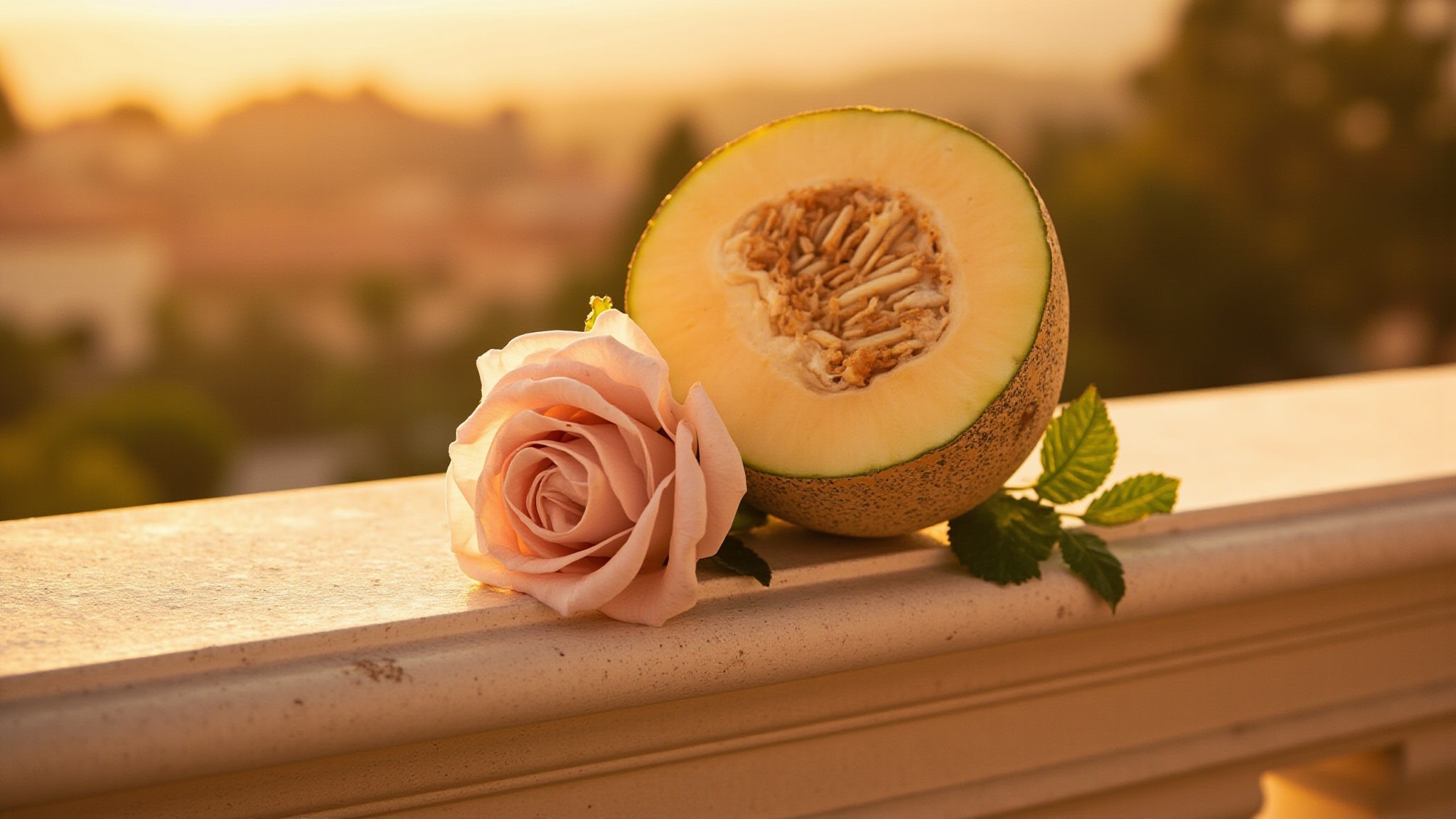
The opening arrives bright and immediate. Melon and orange fill the air for the first thirty minutes, sharp and juicy against the skin. Then the rose steps in. Not gradually, not softly. It takes its place inside the fruit like it belongs there, and suddenly the whole composition shifts from refreshing to luminous. The pear and apple keep things grounded as the citrus fades, and by the second hour the jasmine and heliotrope are softening the edges. The drydown is where it earns its name. Musk and vanilla settle into a warm, close skin-feel that lasts. The rose never fully disappears. It stays, golden and quiet, the last thing left on the skin.
Cultural impact
The fruit-rose combination that defines this fragrance draws from a classic Italian aesthetic. Bois 1920 approaches perfumery with a commitment to craft that sets it apart in a crowded market. The house creates fragrances that emphasize balance and wearability, favoring compositions that feel natural and unforced rather than contrived or attention-seeking. There is a Mediterranean sensibility at work here, a preference for restraint over excess, for clarity over complexity. The brand maintains its focus on creating scents that feel appropriate for everyday wear while still offering depth and character.