
The Story
Why it exists.
The beginning
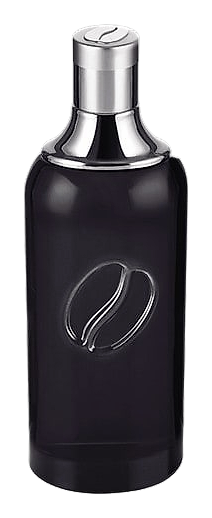
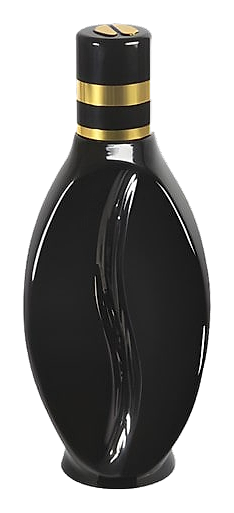
Cafe Black Label arrived in 2010, the same year Cafe Parfums had been quietly building its coffee-forward catalog for over three decades. Michel Almairac designed it as a departure from the house's aromatic core, less morning ritual, more after-hours. The name suggests something reserved, a step above, a pour that isn't for everyone. Cognac opens the composition, not coffee. Apple and orange follow. The house that made coffee its identity was, with Black Label, making a different kind of statement.
The choice of cognac as a primary top note, rather than coffee, signals an intent to expand the brand's territory without abandoning its warmth. Cedar and floral notes form the heart, giving the composition a dry, slightly green character that cuts through the gourmand sweetness. The base anchors everything in woody notes and licorice, a combination that adds a faint medicinal edge uncommon in mainstream masculine fragrances. The result is a fragrance that smells less like a coffee shop and more like the kind of person who owns a well-stocked bar and knows how to use it.
The evolution
The opening announces itself with warmth, cognac's boozy sweetness backed by red apple's fruit and a brief citrus lift from orange. It lasts thirty minutes before the cedar takes over, bringing a dry, slightly green note that reshapes the composition into something more austere. The floral heart appears as a whisper here, not a statement, a softening that keeps the cedar from becoming harsh. By the second hour, the base arrives: woody, faintly smoky, with licorice adding an unexpected medicinal sweetness that lingers. On fabric, it holds for hours after the skin dries down. The drydown reads less like a perfume and more like the smell of a room where someone has been drinking cognac and reading, intimate, warm, present long after you've left.
Cultural impact
Black Label has found its audience through word-of-mouth rather than marketing spend, the kind of fragrance that circulates in forums as a hidden gem, described as smelling like an expensive niche at a fraction of the cost. The cognac-licorice combination is unusual enough to polarize, which is part of its appeal: this is not a fragrance that tries to please everyone, and the people who love it tend to love it specifically for that reason.
The House
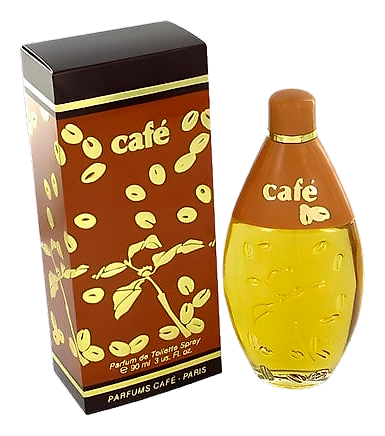
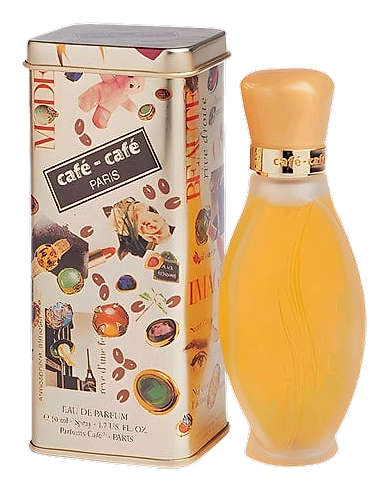
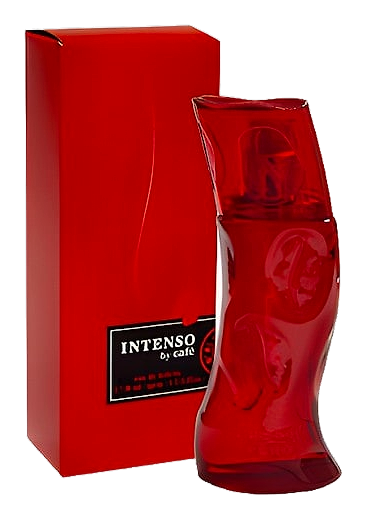
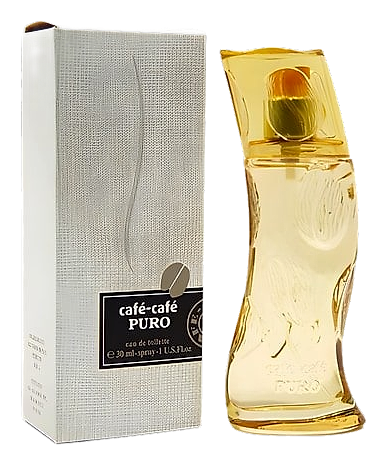
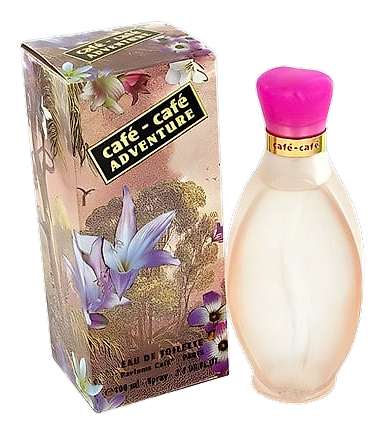
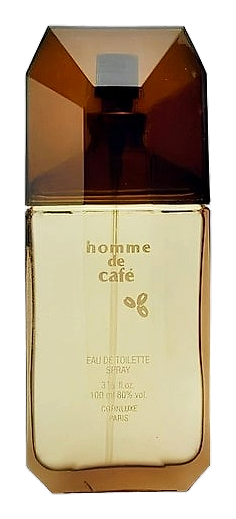
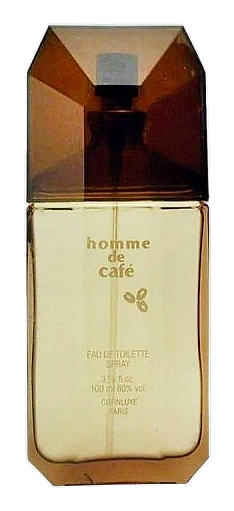
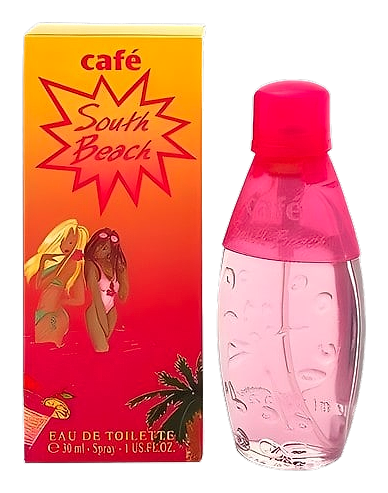
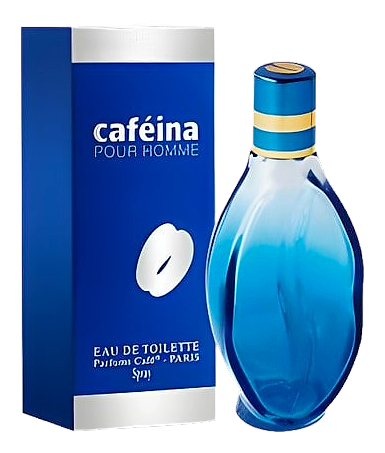
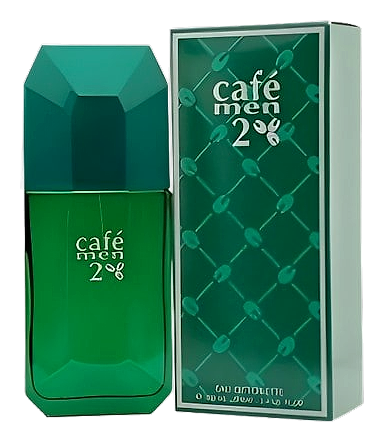
Cafe ParfumsCafe Parfums is a French fragrance house that built its identity around the aroma of coffee. The brand emerged in the late 1970s, a period when few houses dared to place roasted coffee notes at the center of their compositions. Rather than treating coffee as an accent, Cafe Parfums developed fragrances where the note functions as the primary olfactory character, supported by complementary elements that enhance its depth and warmth. The house operates with a focused output, releasing fragrances at measured intervals rather than flooding the market with seasonal variations. This restrained approach reflects a commitment to deliberate creation over commercial volume.
The Creator
Michel AlmairacAmong perfumistas, Almairac is celebrated for technical precision married to restraint. He does not overwhelm or overcomplicate.