The Story
Why it exists.
The beginning
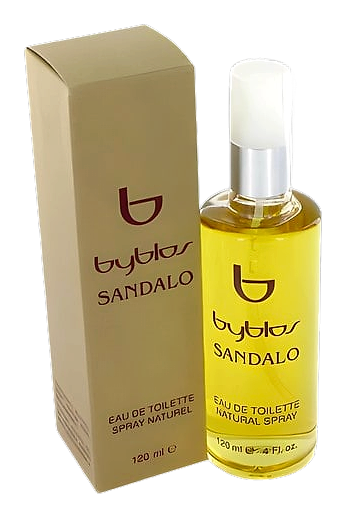
Sandalo arrived in 2002 as Byblos's continued experiment in unexpected contrast. Where the house had built its fragrance identity on bold, green-woody florals and citric fougères, Sandalo pushed into warmer territory, citrus upfront, yes, but immediately yielding to a woody heart that asked to be leaned into rather than announced. The name says sandalwood. The composition suggests something more complex: a sandalwood that doesn't arrive alone, that comes already in conversation with cedar and patchouli, already carrying weight.
What makes Sandalo's woody heart work is the tension between creaminess and austerity. Sandalwood can easily read soft, almost dessert-adjacent. Cedar cuts that sweetness back. But the real structural move is patchouli, it has a slightly bitter, green edge that stops the heart from becoming a single mood. Without it, this would be warm and pleasant. With it, there's a conversation happening between three wood notes that don't all agree. The citrus opening is traditional Italian perfumery, bright, sharp, confident, but it doesn't linger long enough to become the whole story.
The evolution
The opening announces itself in minutes, citrus, bitter orange, a rose that reads more aromatic than floral. Thirty minutes in, the woods begin to settle. The hand-off isn't dramatic; the citrus simply stops competing. What follows is a warm, quiet phase where cedar and sandalwood blend into something cohesive, with patchouli providing the only real tension, a slight green bitterness that keeps the composition from going fully soft. The drydown is where Sandalo earns its name. Four to six hours on most skin, with cedar-sandalwood lingering close. Amber and musk add sweetness without sweetness, the kind of warmth you notice when someone's already gone. The projection stays intimate throughout. One reviewer called it the smell of a sauna in a luxury hotel, that blend of warmth, wood, and something faintly sweet that doesn't demand attention but rewards proximity. What surprises most wearers is the chai tea association some detect. Not literal spice, but an aromatic warmth that echoes spice without announcing it. The sandalwood does that.
Cultural impact
Sandalo holds a particular appeal for those who remember Italian fragrances of the early 2000s, a period when citrus-woody compositions had a confidence that newer releases sometimes lack. Discontinued now, it has found a second life among enthusiasts who seek it out specifically for its restraint. Where many modern releases lean into projection and performance, Sandalo asks to be worn close. That quality, the scent of someone who doesn't need the room to know they're there, has kept it relevant in conversation long after it left counters.