
The Story
Why it exists.
The beginning
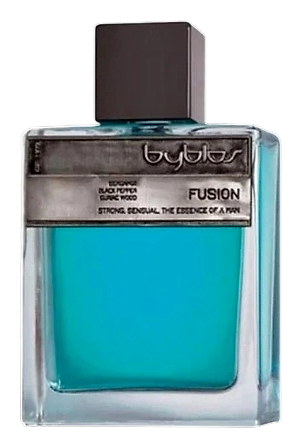
Byblos Fusion arrived in 2013 as a tribute to the brand's love of contrast. The name Fusion comes from the Latin fundere, meaning to melt, echoing Byblos's history of blending fashion's bold colors with unexpected materials. Fab rice Pellegrin was tasked with turning that idea into scent, pairing bright citrus with spiced herbs and grounding woods.
The note structure reflects a deliberate choice to avoid the expected floral heart in favor of something more herbal and spicy. By opening with fruit-forward citrus and closing on resinous wood, the fragrance mirrors Byblos's approach to fashion: bold at the start, complex by the end. The use of rosemary and black pepper in the heart shows a preference for aromatic spice over sweet florals, making the fragrance feel more unisex and contemporary.
The evolution
The fragrance moves from a crisp citrus opening into a spiced heart with the confidence of someone who knows exactly where they are going. Orange and bergamot provide the initial spark, but within minutes lychee adds a soft tropical edge that prevents the top from feeling like just another cologne. Rosemary and black pepper take over the mid-section, bringing an almost culinary quality to the composition, while geranium keeps the transition green and aromatic rather than sweet. The drydown settles into the woody-resinous territory of oud, patchouli, and sandalwood, a combination that feels both modern and rooted, ensuring the fragrance does not disappear into thin air.
Cultural impact
Since its 2013 debut, Byblos Fusion has earned a cult following among those who crave a fresh‑green launch that quickly turns spicy and woody. Reviewers praise its bright opening and the way the pepper‑spiced heart bridges the gap between casual daytime wear and evening confidence. Though it never achieved mainstream hype, the fragrance is often cited as an underrated staple that sits comfortably beside Byblos Uomo and other modern aromatic woods, appealing to men who value a clean yet assertive signature.