The Story
Why it exists.
The beginning
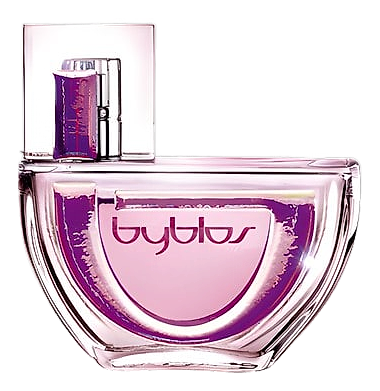
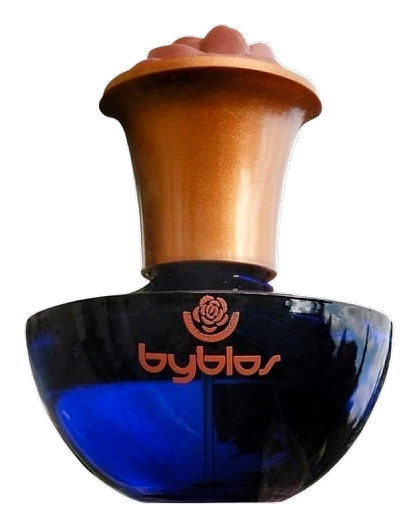
Byblos arrived in Milan with a single conviction: fashion should feel like freedom. The house rejected established codes from the start, building its identity around bold color, kinetic energy, and visual experimentation. When perfumer Ilias Ermenidis set out to translate that spirit into a fragrance in 1990, the brief was clear, no half-measures. Byblos the fragrance would carry the same restless energy as the clothes. What Ermenidis delivered was a fruity-floral that felt more like a declaration than a composition, built for the woman who treats personal style as transformation.
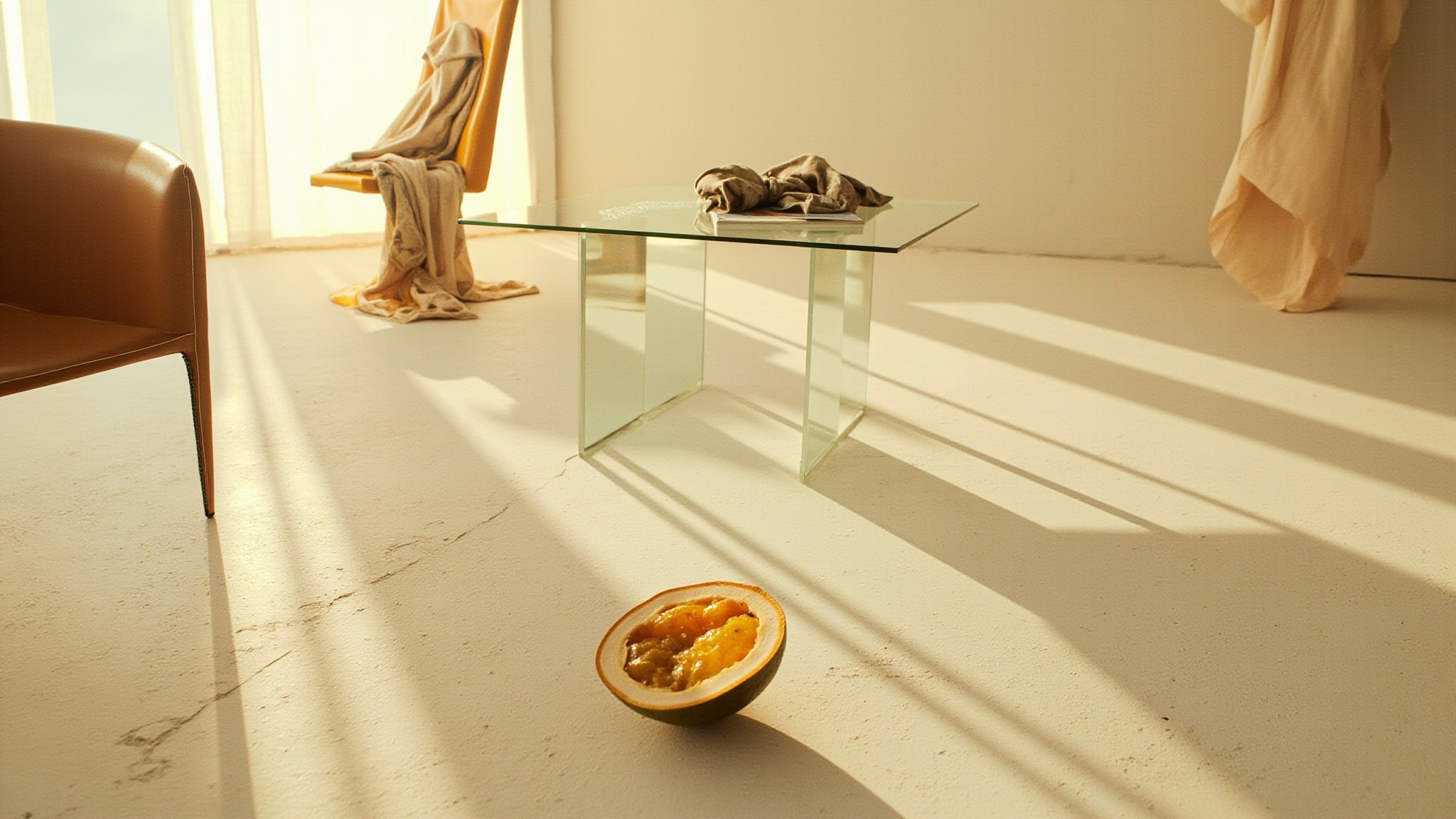
Nine top notes is, by any measure, excessive. Nine top notes that work together is something else entirely. The passion fruit and pineapple create an opening so bright it borders on startling, a characteristic more commonly associated with 2000s fragrances than anything from 1990. Ermenidis layers tropical sweetness against green cassia and marigold, producing a top phase that feels both abundant and intentional. The heart, anchored by mimosa, introduces the powdery warmth the 1990s loved, but the tropical fruits at the opening prevent it from ever settling into pure nostalgia. The vetiver base is doing the structural work, keeping all that sweetness from collapsing into something soft and formless.
The evolution
The opening hits with a rush, passion fruit and pineapple over citrus, immediately bright and fruity in a way that feels almost contemporary. For 20 minutes, it reads as pure tropical energy. Then the florals arrive. Mimosa takes the lead, joined by gardenia, honeysuckle, and ylang-ylang, the composition becomes warm, sweet, and dense. The transition is smooth but unmistakable; you're wearing a different fragrance than you were at the 15-minute mark. The drydown takes hold around the two-hour mark. The sweetness doesn't disappear, but vetiver's green, slightly smoky character grounds it, and raspberry adds a tartness that cuts through the marzipan softness of the heliotrope. Musk lingers quietly beneath everything. The final hours belong to pepper and vetiver, giving the drydown more complexity than the initial sweetness suggested.
Cultural impact
Created in 1990, Byblos is a fashion fragrance through and through, built for the woman who treats personal style as transformation, not a statement to make. The house's experimental 1970s Milan DNA is present in every layer: the abundance of notes, the tropical brightness, the sweet-floral heart that refuses to be polite. It's a product of its era in the best sense, bold, confident, and saturated with intention.
The House
ByblosByblos emerged from 1970s Milan as one of Italy's boldest creative voices, built on the conviction that fashion should feel like freedom. The brand drew its name from the ancient Phoenician port city famous for pottery and glassblowing, a nod to transformation and craft. What began as experimental ready-to-wear quickly became a laboratory for new visual languages, attracting a young Gianni Versace in 1975. Nearly five decades later, the house continues its restless exploration under Manuel Facchini, blending sport-chic energy with futuristic sensibility. Byblos fragrances translate this irreverent spirit into scent, each bottle a chapter in a story written in saturated color and theatrical silhouettes.
The Creator
Ilias ErmenidisThe Greek-Turkish nose favors transparent structures built on a solid base of natural absolutes. He reaches for oud, ambergris, and rose de mai, but always layers them with unexpected modifiers—citrus zest, spice tinctures, or a whisper of leather.