The Story
Why it exists.
The beginning
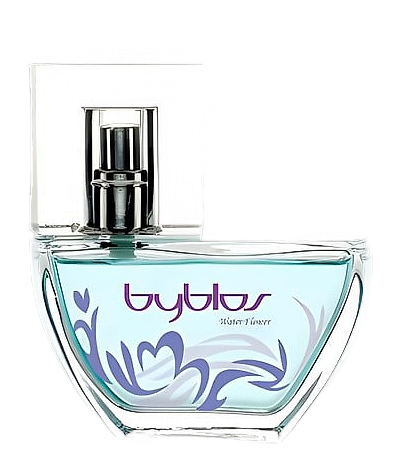
The bottle tells you everything. Shaped like the letter 'b', for Byblos, with lilac and pink floral applications over soft blue glass, it arrived in 2007 as part of Manuel Facchini's spring-summer collection. The same hands that designed the collection designed the flacon. Water Flower was named for its two dominant inspirations: lily of the valley and water lily, the aquatic florals at its heart. The scent itself unfolds in gentle waves, opening with sparkling citrus that gives way to a cool, watery floral heart that feels like morning mist drifting across a garden pool. There's a soft, crystalline quality to the composition that makes it feel light and airy without being thin or fleeting.
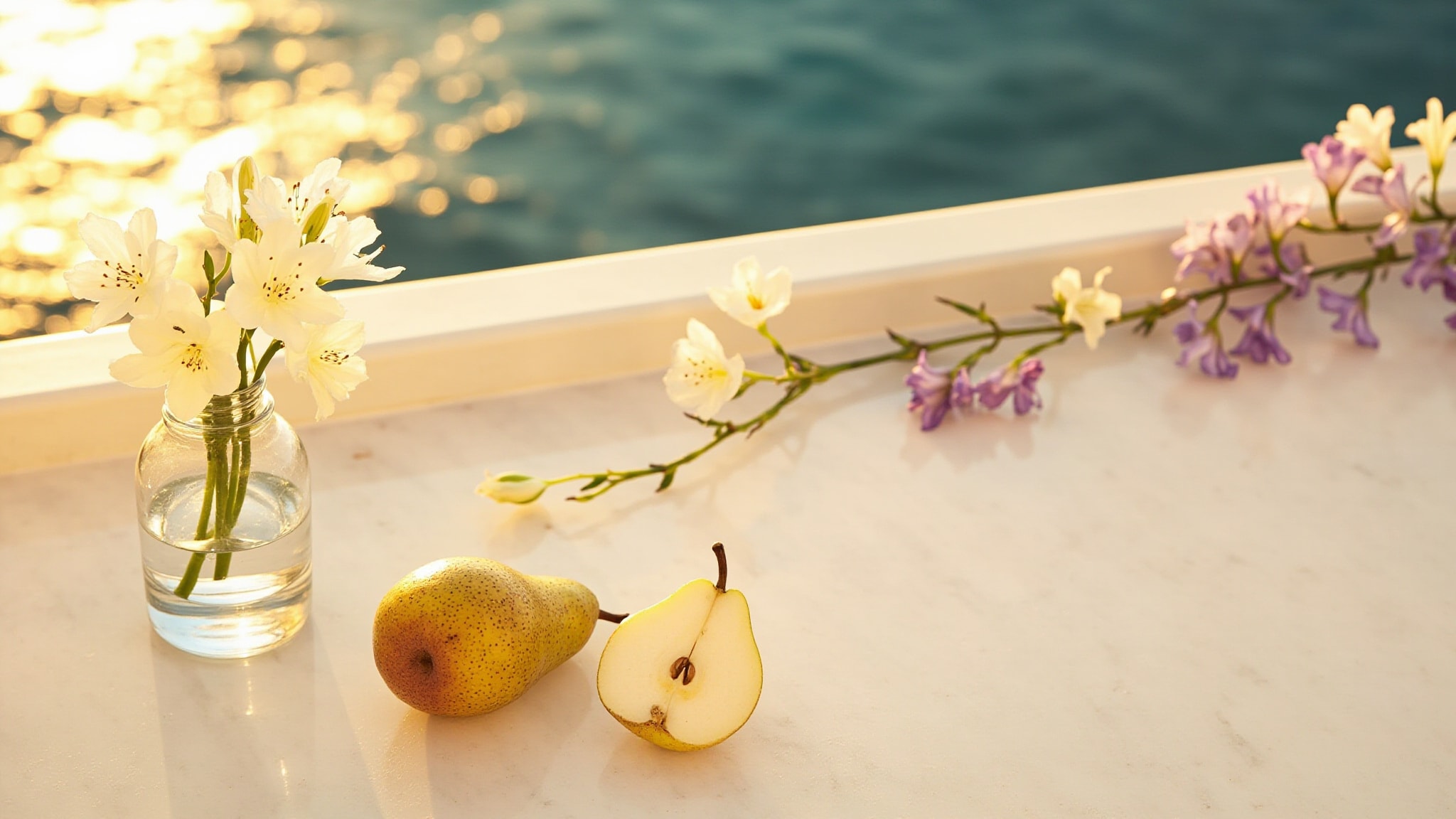
What makes this composition unusual is its stubborn refusal to commit. Most fragrances lean one direction or another, fruity or floral, aquatic or green. Water Flower holds all four at once, like a photograph where the colors haven't quite resolved. The aquatic notes aren't the typical synthetic marine but something closer to sea water itself, mineral, slightly saline, less about ozone and more about wet stone. The fruit is mouthwatering without being sweet. The florals, water jasmine and lily of the valley, arrive wet, as if they've just been pulled from a vase. This is a fragrance that lives in the moment of transition: between beach and garden, between day and evening, between trying too hard and not trying at all.
The evolution
It opens crisp. Apple and grapefruit hit first, bright and citrus-forward, with blackcurrant adding a slight tart edge. Then the sea notes arrive, not an explosion, just a suggestion of tide pools and cool water. The peach and pear keep things soft. Within twenty minutes, the heart takes over: water jasmine opens, then freesia, then the lily of the valley. These are delicate flowers, not loud ones. They don't compete with the fruit; they lean into it. The rose adds a whisper of warmth. Then the base arrives: lavender first, herbaceous and green, before settling into white musk and Australian sandalwood. The vanilla shows up late, barely there. The drydown is intimate, skin-close. On fabric, it tends to linger longer, often detectable well into the next day.
Cultural impact
Byblos Water Flower arrived during a period when aquatic fragrances were reshaping the perfume landscape. The scent captured the era's fascination with fresh, watery accords designed to evoke the sensation of morning dew on flowers. The Byblos brand brought an artistic sophistication to the aquatic trend, offering something more considered than the wave of aquatic releases flooding European and American markets. Water Flower stood apart from the crowd, its thoughtful construction and layered florals proving that freshness and depth could coexist.