
The Story
Why it exists.
The beginning
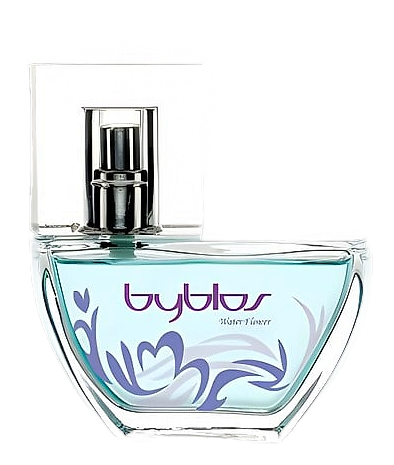
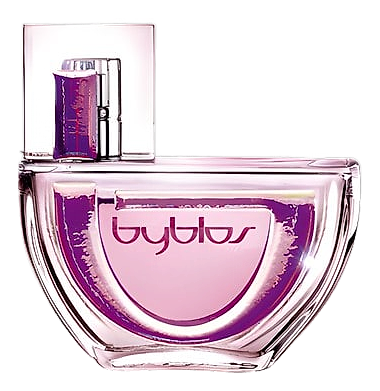
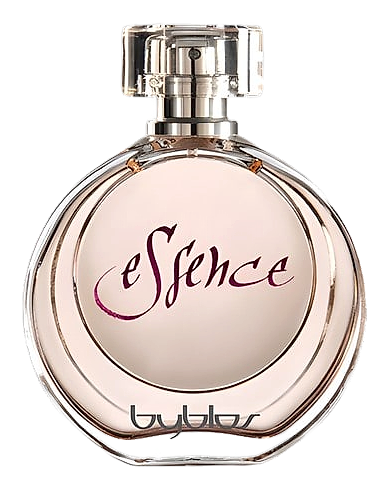
Christine Nagel designed Essence for Byblos in 2008, during a period when aquatic fragrances dominated the market. Rather than chasing the trend, she threaded something warmer through the brine, Tahitian vanilla, deployed as a base rather than a centerpiece. The result is a floral marine that refuses to be just fresh. Byblos gave her a brief aligned with the house's identity: bold, unconventional, nothing expected. Essence delivered on that. A transparent flacon, work of Sylvie de France, hides aromas meant for a woman who doesn't need to explain herself.
The structure here is unusual. Marine notes typically run through the heart and disappear, they're the bridge, not the foundation. Nagel inverted that. The sea water stays present even as jasmine and rose arrive, so the florals never smell fully heady. They're filtered through something oceanic. Then the cedar and teak arrive with Tahitian vanilla, and the composition tilts warm without ever fully leaving the water. It's this middle passage, the two or three hours where marine and vanilla coexist, that makes Essence quietly distinctive rather than just competent.
The evolution
The first hour is citrus and freesia, clean and direct. The mandarin fades faster than the bergamot, which holds on like it's supposed to. Then the marine notes expand, not dramatic, but present, occupying space beneath the florals. Jasmine and rose arrive together around the 45-minute mark, with the geranium keeping them grounded. The drydown is where this fragrance earns attention. Cedar and teak emerge slowly, and the Tahitian vanilla doesn't announce itself, it warms the base like sun on sand after the tide pulls out. Eight to ten hours on most skin. The next morning, there's a faint musky warmth left on fabric that wasn't there to begin with.
Cultural impact
Essence arrived during a peak aquatic moment in the market, Cool Water Woman had normalized the genre, and many houses followed. Byblos positioned differently: the vanilla anchor gives Essence a warmth that separates it from the purely aquatic pack. It's not trying to smell like the ocean. It's trying to smell like someone who just left it.
The House
ByblosByblos emerged from 1970s Milan as one of Italy's boldest creative voices, built on the conviction that fashion should feel like freedom. The brand drew its name from the ancient Phoenician port city famous for pottery and glassblowing, a nod to transformation and craft. What began as experimental ready-to-wear quickly became a laboratory for new visual languages, attracting a young Gianni Versace in 1975. Nearly five decades later, the house continues its restless exploration under Manuel Facchini, blending sport-chic energy with futuristic sensibility. Byblos fragrances translate this irreverent spirit into scent, each bottle a chapter in a story written in saturated color and theatrical silhouettes.
The Creator
Christine NagelNagel occupies a distinctive space in contemporary perfumery, favoring sensual, textured compositions over the clean minimalism that dominated for decades. Her fragrances often feature unexpected contrasts: mineral and floral, salty and sweet, cool and warm.