The Story
Why it exists.
The beginning
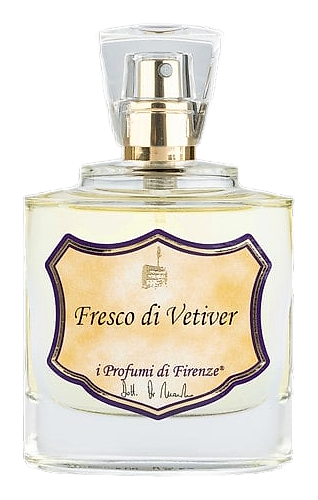
Fresco di Vetiver comes from I Profumi di Firenze, a Florentine house whose work centers on translating local character into scent. Giovanni Di Massimo composed this woody aromatic, and the composition reads as an exercise in place, built around vetiver and given shape through a layered citrus opening and a resinous base. The name carries a double reading: fresco as in a fresh, cooling wall painting, and fresco as in the Italian word for fresh or cool itself. Both meanings apply here. Released as an eau de parfum, it sits within a modest catalogue that prizes place over trend. The fragrance is structured rather than decorative, a scent that leans into its materials and lets the green-rooty character of vetiver anchor everything else.
What makes this composition work is the conversation between citrus and earth. The top is almost aggressively bright, bergamot, grapefruit, Amalfi lemon, juniper, artemisia pulling in different directions at once. Then the heart softens into orange flower, rose, violet, magnolia, lilac, a cluster of white florals that read powdery rather than indolic. The base grounds it with Haitian vetiver and Mysore sandalwood, two materials with real geographical weight, anchored by amber and French labdanum. The tension between the airy opening and the dense, resinous base is the whole point.
The evolution
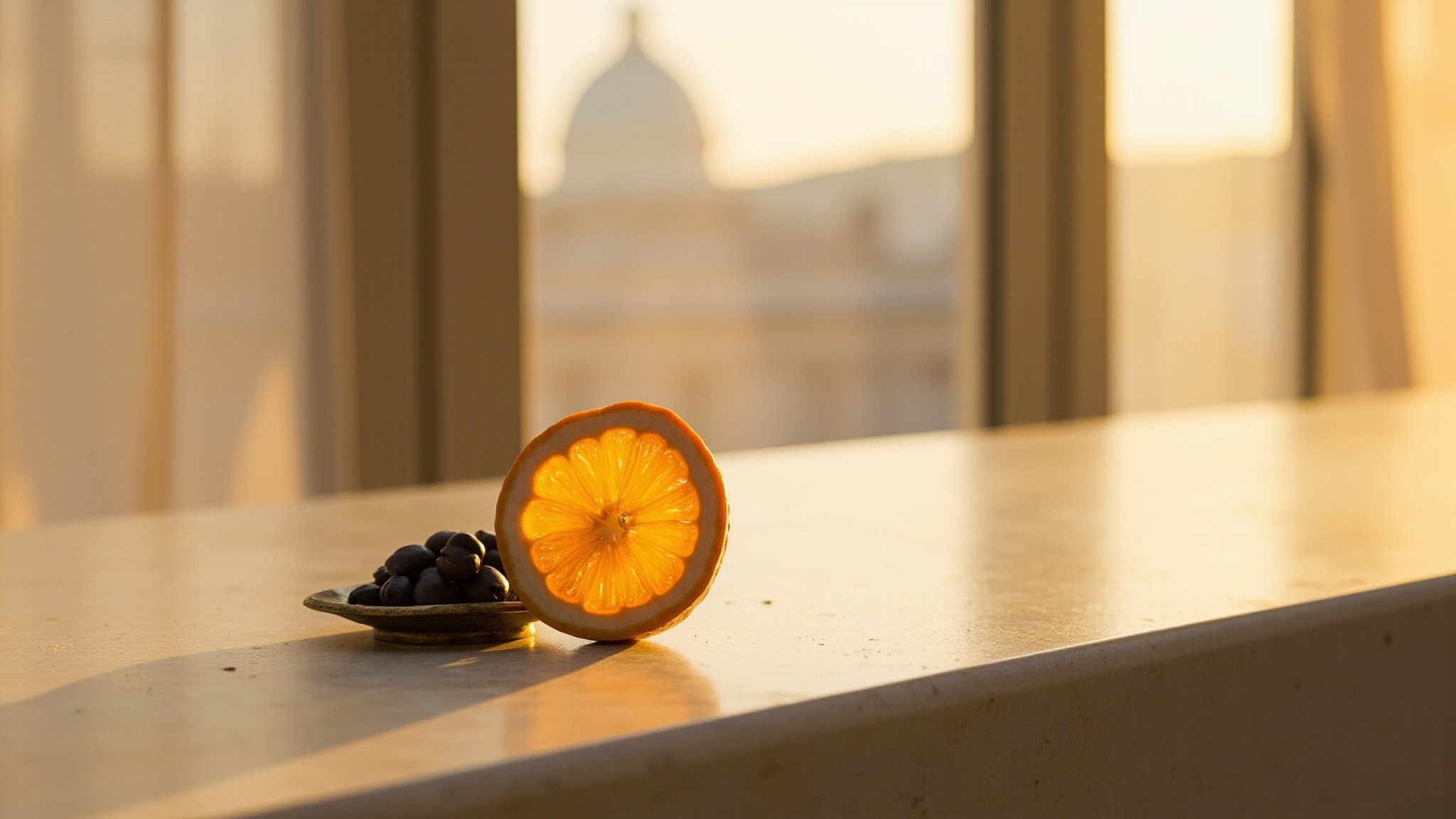
The opening belongs to citrus. Bergamot and grapefruit hit sharp, almost like peel cracked between fingers. Juniper and artemisia add a bitter herbal thread underneath. Then the florals arrive without announcement. Orange flower lifts the citrus into something rounder, rose and violet dust it down, and for a while it smells like a garden after rain. As the composition develops the green deepens. The Haitian vetiver takes over, smoky and rooty, and the Mysore sandalwood warms underneath. The citrus fades gradually rather than disappearing all at once, and the vetiver and labdanum combination carries forward with increasing weight. Eventually what's left is a quiet, earthy drydown, warm sandalwood, a trace of amber, and that unmistakable vetiver minerality.
Cultural impact
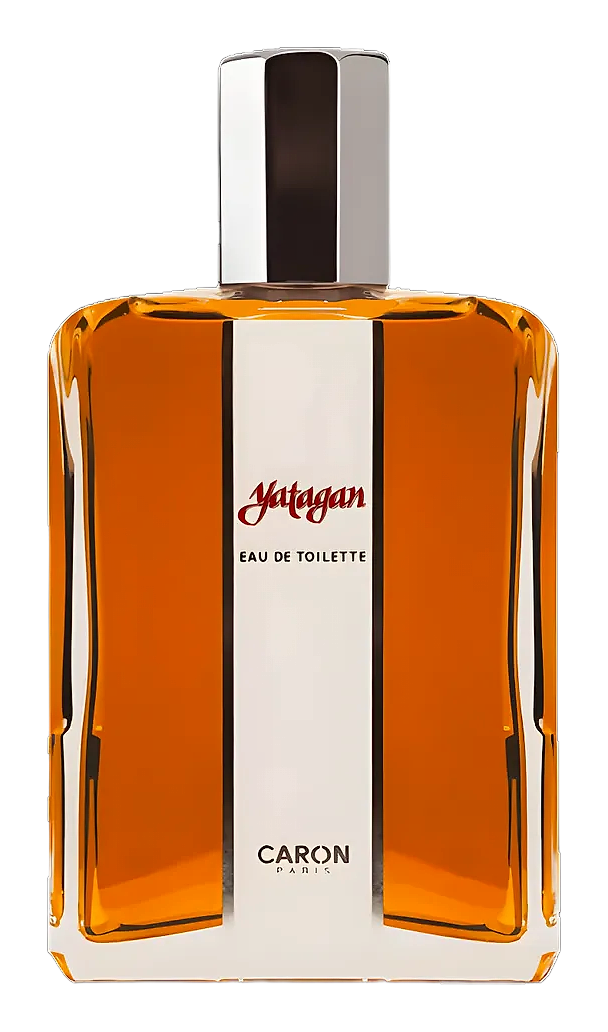
Worth noting: one community reviewer compared Fresco di Vetiver directly to Caron's Yatagan, a comparison that earned warm respect from a community that takes that French vetiver composition seriously. That puts this Italian release in a specific conversation, the vetiver-for-people-who-actually-like-vetiver conversation. It wears well across the calendar, leaning slightly toward warmer months but holding its nerve in transitional weather. The fragrance has found an audience among wearers who want green without the shower-gel associations and citrus without the aquatic aftertaste.