The Story
Why it exists.
The beginning
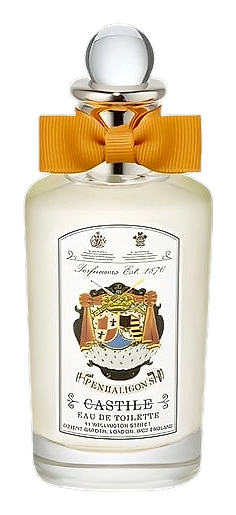
Castile takes its name from Castile soap, traditional, hard, made with olive oil. The kind with a proper bite. Penhaligon's asked Olivier Cresp to build a fragrance around that honesty: the bitter clarity of real soap, the warmth of the Mediterranean, nothing more. He reached for neroli and petitgrain to open with that clean-green astringency, orange blossom to carry the warmth, and kept the rest minimal. No tricks. No filler. Just eight materials, each arriving and departing cleanly. The 1998 release holds to that original brief: soap that smells like soap, elevated into something worth wearing.
The structure asks a question that most fragrances never pose: what if restraint is the sophistication? Eight materials. No accord tries to fill the gaps. The pyramid opens with petitgrain and neroli, green, bitter, the astringency of soap meeting water. Then the orange blossom arrives, sweet and waxy, turning the brightness into something warm and sunlit. Not soapy. Just clean. Bergamot and rose support the heart without competing, bergamot lifting the citrus, rose threading beneath as quiet warmth. By the base, only musk and wood remain, barely there, skin-like, the drydown honest rather than dramatic.
The evolution
Petitgrain and neroli hit first. That sharp, green-bitter quality is immediate, the astringent bite of Castile soap, not a gentle citrus splash. Within a minute or two, the sharpness softens. Neroli takes over, bringing its sweet, orangey warmth alongside the orange blossom already spilling from the heart. The opening becomes bright, clean, sunlit. This is the phase that earns the name. Then bergamot cuts in, softening everything while rose threads through quietly beneath. The white floral heart, orange blossom, is warm and skin-close, like sunlight on skin rather than perfume. It holds for a few hours, steady and unapologetic. Musk arrives quietly, the wood notes barely there. The soap smell fades into something skin-like. Nothing clings. Nothing announces itself. Moderate sillage means people notice only if they're already close. Six to eight hours on most skin. It settles and stays.
Cultural impact
Penhaligon's occupies a particular corner of British fragrance culture: unflashy, refined, worn without announcement. Castile fits that positioning exactly. A citrus-floral built around traditional neroli and petitgrain, it projects quiet confidence rather than volume, the fragrance of someone who doesn't need a scent to announce their presence. The 1998 launch date places it in an era of mass-appeal designer fragrances, but Castile held its own as an alternative for those who wanted something cleaner, more traditional, and less effortful.
The House
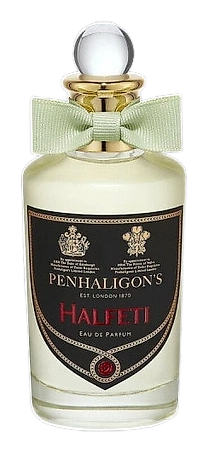
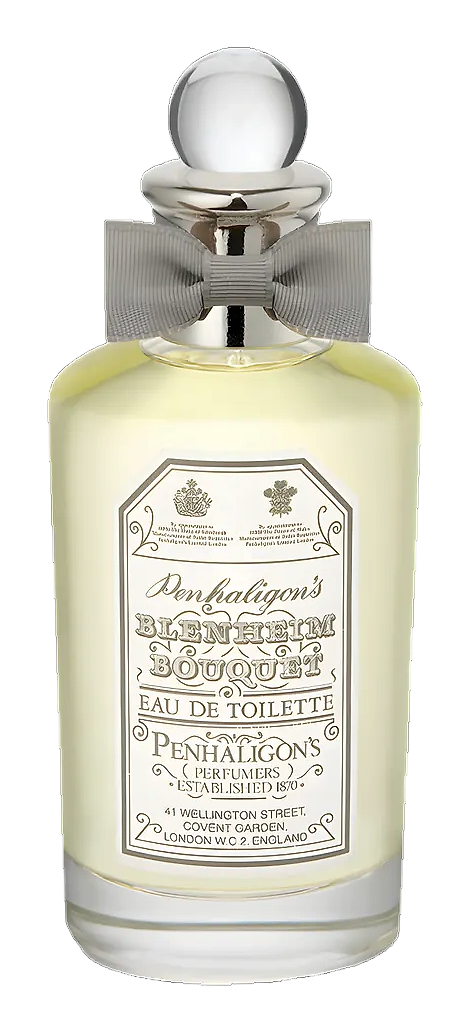
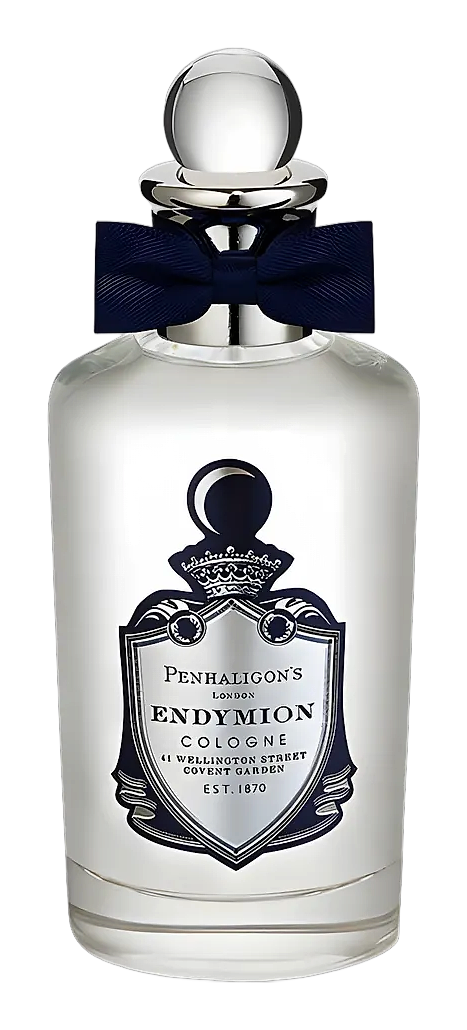
Penhaligon'sPenhaligon's stands as one of Britain's most distinguished fragrance houses, a brand born from Victorian London that has dressed royalty for over 150 years. Founded by Cornish barber William Henry Penhaligon in the 1870s, the house began crafting scents for discerning gentlemen in the heart of Mayfair. Today, Penhaligon's holds Royal Warrants from both The Prince of Wales and the Duke of Edinburgh, a testament to centuries of olfactory excellence. The collection spans heritage blends like the legendary Blenheim Bouquet alongside contemporary creations from master perfumers including Alberto Morillas and Bertrand Duchaufour. What sets Penhaligon's apart is this beautiful dialogue between eras: century-old formulations exist shoulder to shoulder with cutting-edge fragrance technology. The brand's distinctive bottles, with their signature bow-tie stoppers, remain a direct tribute to William's original design, bridging past and present with elegant restraint.
The Creator
Olivier CrespCresp's signature style often features a blend of fresh, clean notes with warm, comforting accords. He's known for his masterful use of fruit notes, particularly fig and berries, which he often combines with florals and musks to create scents that are both inviting and sophist…