The Story
Why it exists.
The beginning
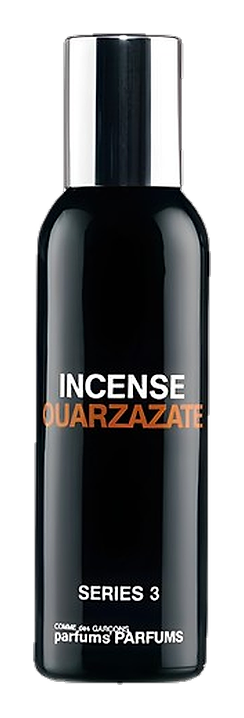
Part of the Incense Series by Comme des Garçons, five fragrances, each named for a spiritual city. Kyoto represents Buddhism and Shintoism, the ancient religions rooted in Japan's cultural heart. The brief was deceptively simple: make incense that feels like a pilgrimage. Not tourism. Not spectacle. The real thing, the kind that makes you sit with yourself and actually mean it. Bertrand Duchaufour built this around two materials the Japanese have used in meditation practice for centuries: smoke and cypress. One grounds you. The other lifts you somewhere quieter.
What makes Kyoto work isn't any single note. It's the conversation between them. The cypress arrives clean, almost austere, green and slightly bitter, like morning air through an empty monastery. The incense follows, not sweet, not synthetic, but raw and meditative. Vetiver and teak anchor the composition with mineral earth, while amber and cedar hold the warmth like sunlight through shoji screens. These aren't blockbuster notes. They're the kind that reward stillness, a fragrance designed to be worn when you're not trying to impress anyone. That's the entire point.
The evolution
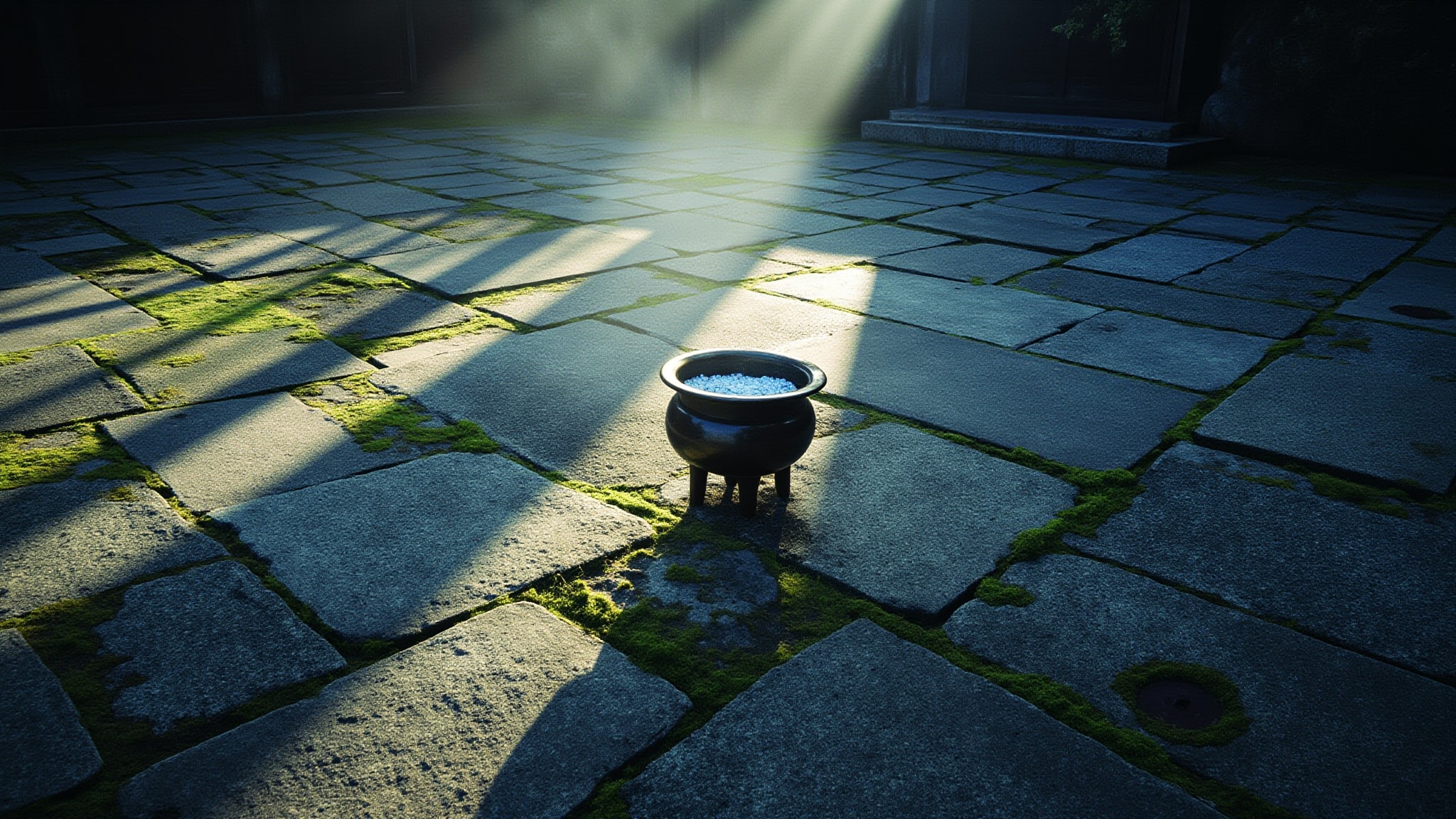
The opening hits like smoke from cold stone, incense and cypress, green and slightly bitter, the kind of morning air you'd find in a monastery courtyard before the sun warms the wood. For the first twenty minutes, it's almost austere. Then the incense deepens without getting sweeter, and the cedar starts to breathe through it, giving the composition mineral structure. The heart belongs to vetiver and teak, warm, earthy, the smell of something ancient and deliberate. The drydown is where Kyoto earns its reputation. Amber and patchouli settle close to the skin, the smoke never fully disappears but becomes intimate, almost personal. On fabric, the next morning, you'll find traces of cypress and vetiver. A ghost of where you've been. This one doesn't announce itself. It leaves evidence.
Cultural impact
Kyoto occupies a specific corner of fragrance culture, the one reserved for people who've moved past trying to smell good and started trying to smell like themselves. It's not a crowd-pleaser. It wasn't designed to be. But within incense-focused fragrance circles, it holds a quiet reputation as the meditative alternative to louder, more theatrical compositions. Duchaufour's work here predates the current wave of Japanese-inspired minimalism by nearly two decades. Those who found Kyoto early consider it a quiet artifact, a fragrance that arrived before the cultural moment that would eventually make it relevant.