The Story
Why it exists.
The beginning
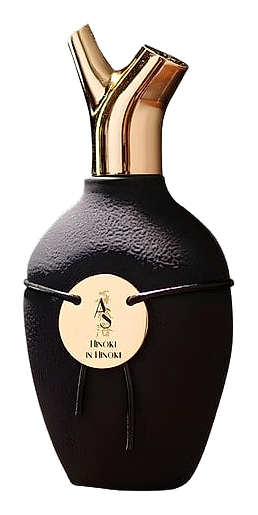
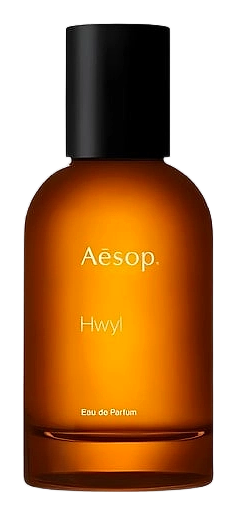
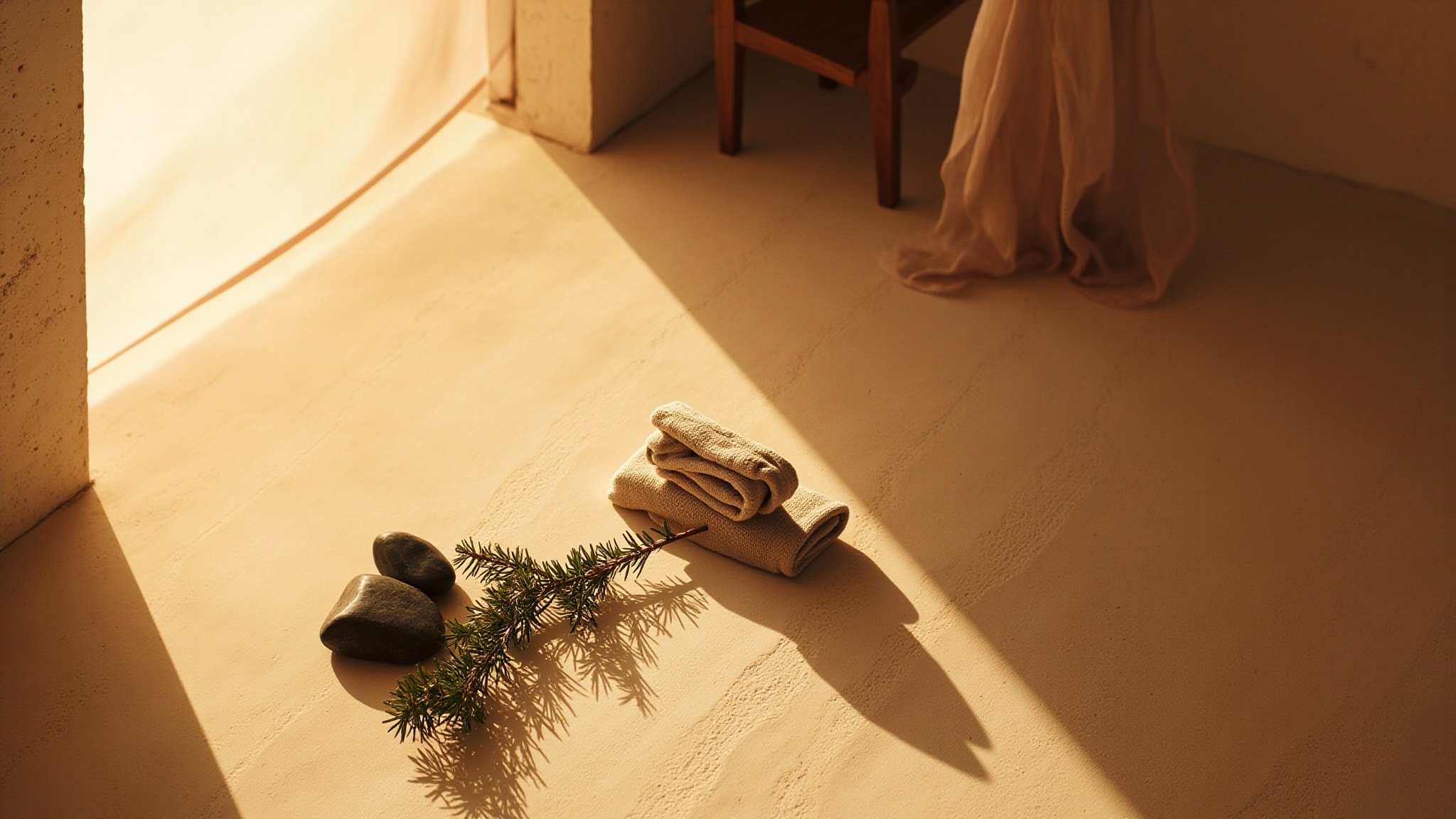
Hwyl arrived in 2017 from perfumer Barnabé Fillion, taking its name from a Welsh word meaning fervor, a quiet heat, not a blaze. The brief was simple: create something that smells like a forest at dusk, when the light goes amber and the air turns sacred. What Fillion delivered was a study in restraint, smoke that doesn't overpower, wood that doesn't shout, a fragrance that asks you to lean in rather than lean back. The trio of cypress, frankincense, and vetiver anchors the composition in ritual and place, materials that have marked sacred space across cultures for centuries. Hwyl is Aesop's answer to the question of what happens when you stop trying to impress and start trying to mean something.
The structure is unusual. Most woody fragrances build toward warmth, Hwyl inverts that. The opening is dry, almost astringent, with pink pepper and elemi giving a brief herbal brightness before the cypress takes over completely. The frankincense doesn't arrive immediately. It builds. And the vetiver, earthy, green, slightly medicinal, doesn't play supporting role. It lingers. This is a fragrance where the base notes don't wait their turn. They show up early and stay late, which is why the drydown on Hwyl is often described as its most interesting chapter. The suede in the heart is the quiet surprise, it adds texture without sweetness, a softness that keeps the smoke from becoming harsh.
The evolution
The opening is quick and dry. Pink pepper and thyme arrive together, sharp and almost medicinal, before elemi softens the edges. You've got maybe fifteen minutes of this before the cypress takes over and everything shifts. The heart is where Hwyl earns its reputation. Geranium adds a quiet green lift, but the suede note is the real move, it keeps the cypress from becoming a Christmas tree, adds a tactile quality that makes the fragrance feel worn rather than new. The frankincense and vetiver build slowly from here, overtaking the cypress by the third hour. The drydown is Hwyl at its most honest, smoke, earth, and a resinous warmth that stays close to the skin for another four or five hours. On fabric, it lingers longer. The cedar comes out most on unwashed material, revealing a sweetness the skin version keeps hidden.
Cultural impact
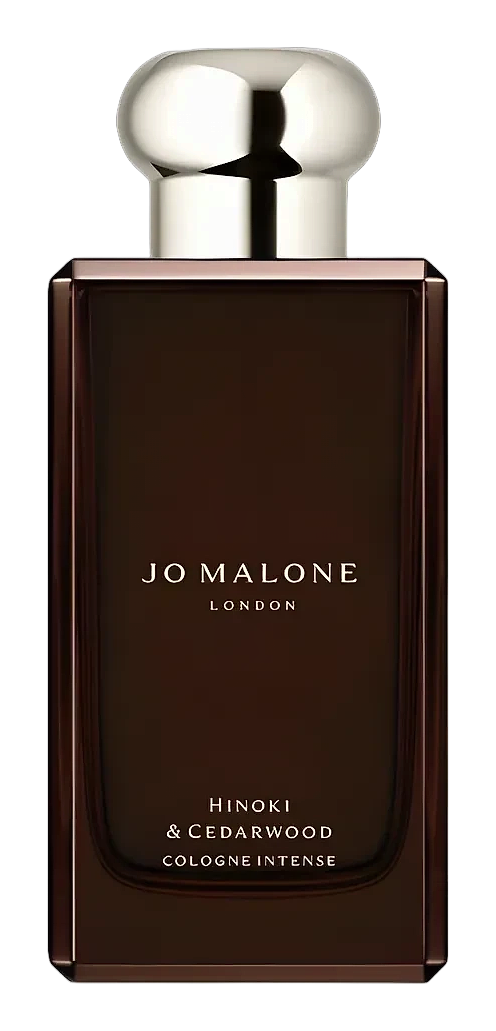
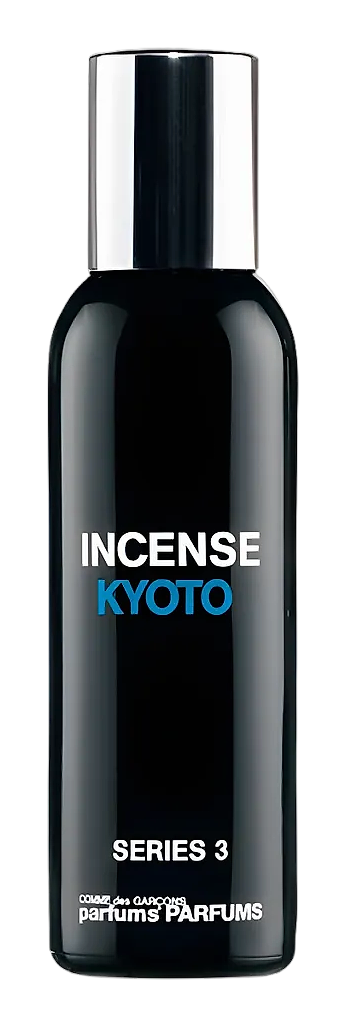
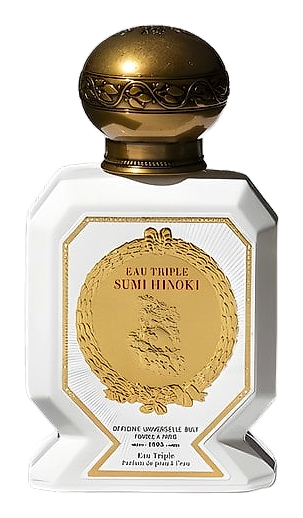
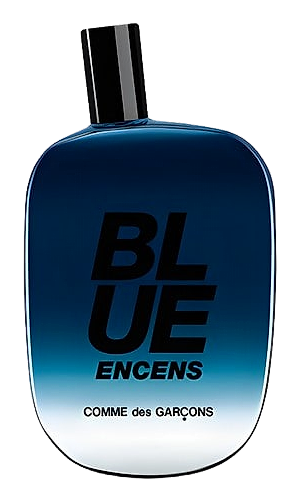
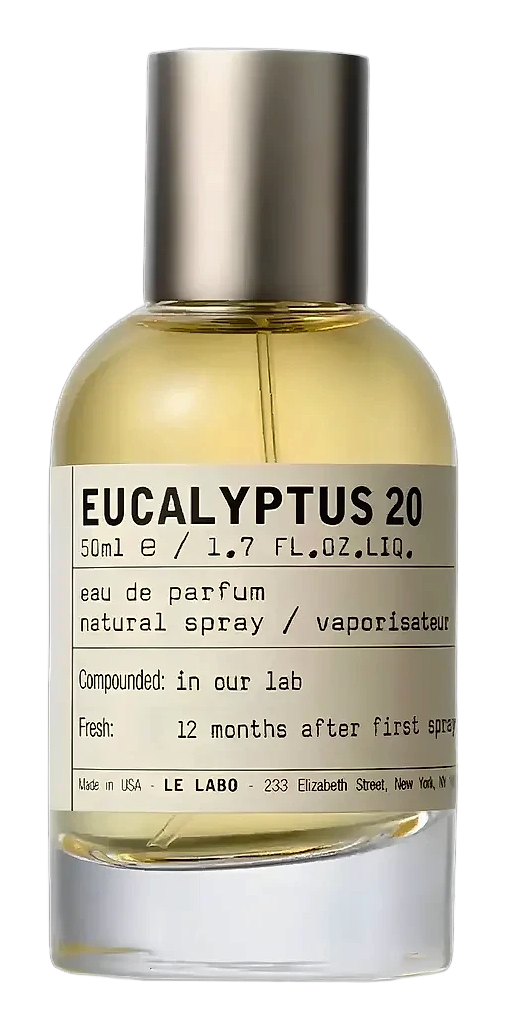
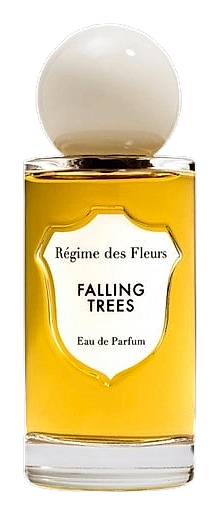
Hwyl occupies a specific corner of the fragrance world, the meditative woody space that incense and forest have staked out since Comme des Garçons launched their incense series. It's not for everyone. The dry, smoky opening polarizes. But for those who want a fragrance that smells like thought rather than performance, Hwyl remains one of the more interesting options in the category.
The House
AesopAesop is an Australian luxury skincare and fragrance house founded in Melbourne in 1987 by hairdresser Dennis Paphitis, who began blending essential oils into hair products at his salon before building one of the most distinctive beauty brands in the world. Known for botanical formulations, architectural retail spaces, and a conspicuous refusal to advertise, Aesop occupies a rare position at the intersection of skincare, perfume, and cultural sensibility. The brand launched its first fragrance, Marrakech, in 2005 and has since developed a tight collection of distinctive scents. Aesop became a certified B Corp in 2020 and, after more than a decade under Brazilian owner Natura & Co, joined the L'Oréal portfolio in 2023 in a deal valued at approximately $3.7 billion.
The Creator
Barnabé FillionFillion favors natural extracts that retain their original character, often pairing a single flower with an unexpected mineral or resin. He builds his compositions layer by layer, allowing each note to settle before adding the next, a method he likens to developing a photograp…