The Story
Why it exists.
The beginning
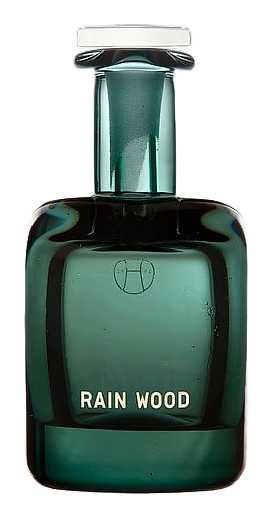
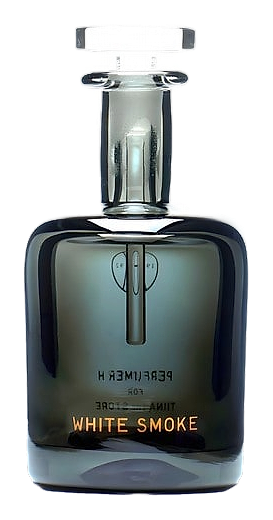
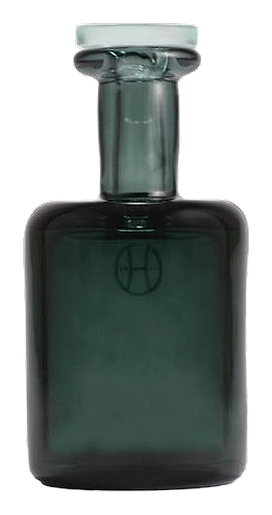
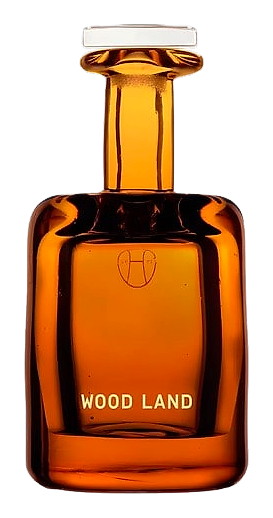
The brief was simple: what does woodland smell like when it's placed in the middle of a city? The request was for a cleansing fragrance, something that didn't overwhelm. Lyn Harris, who built Perfumer H around the idea of single, honest statements, took on the challenge. She translated the experience of constrained, curated greenery into something you could wear: juniper wood, cedar bark, the green damp of moss. Not a fantasy forest. A real one, reimagined for an urban context.
What makes Wood Land unusual isn't any single ingredient, it's the restraint. The eucalyptus gives it that cold-air quality, the bite of black pepper keeping everything honest rather than precious. The result sits closer to skin than most niche woods, projecting only when someone leans in. The scent invites proximity rather than demanding attention.
The evolution
The opening hits sharp and immediate. Bitter orange, bright, almost sour, gives way to juniper wood's cold, resinous character. For the first part of the wear, the fragrance reads cold. Clinical, even. Clean. Then the eucalyptus clears out, and the woody structure takes over. Cedar asserts itself with black pepper dancing underneath, a dry spice that never becomes warm. As it moves toward the drydown, moss rises, not the sharp green of cut grass but the soft, damp smell of earth that hasn't seen sun. Cedar, frankincense, and sandalwood settle into a quiet base that lingers close to the skin. On fabric, the cedar has staying power.
Cultural impact
Wood Land occupies a specific corner of niche perfumery: the scent of contemplative woodland within an urban landscape. It speaks to the person who finds the forest compelling, who notices what others walk past. The fragrance has earned a following among those who appreciate restraint over projection.