The Story
Why it exists.
The beginning
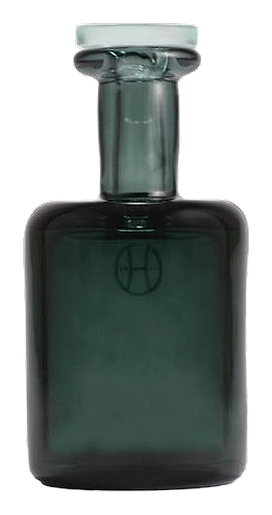
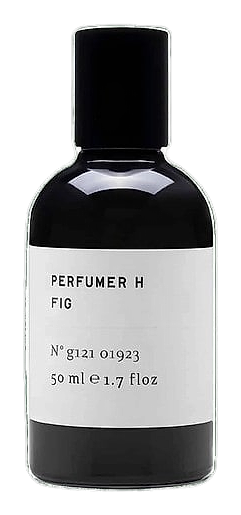
Fig arrived in 2021 as Perfumer H's study of a fruit that rarely shows itself honestly. Lyn Harris has spent decades working with natural materials, building transparency into every formula. Here, the subject demanded restraint, fig's sweetness, its fruitiness, the part that sells candles and body lotion, all set aside. What remains is the leaf, the sap, the wood of the tree itself. Harris wanted a fragrance that could sit in a garden and belong there, not announce itself from across it. The result is a single-note study that happens to contain seven ingredients, all working toward one clear idea.
The choice of Atlas cedar over other cedars matters here. It's warmer, drier, less aggressive than Virginia cedar, the kind of wood that feels like the trunk of a fig tree, not a pencil factory. Black pepper adds a green spice that keeps the composition from going flat. Petitgrain water brings clarity without sweetness, the aromatic water of bitter citrus leaves. Rose is present but not named, a ghost of florality that deepens without decorating. Frankincense appears only in the base, a wisp of smoke that reads as air movement through branches rather than a church interior.
The evolution
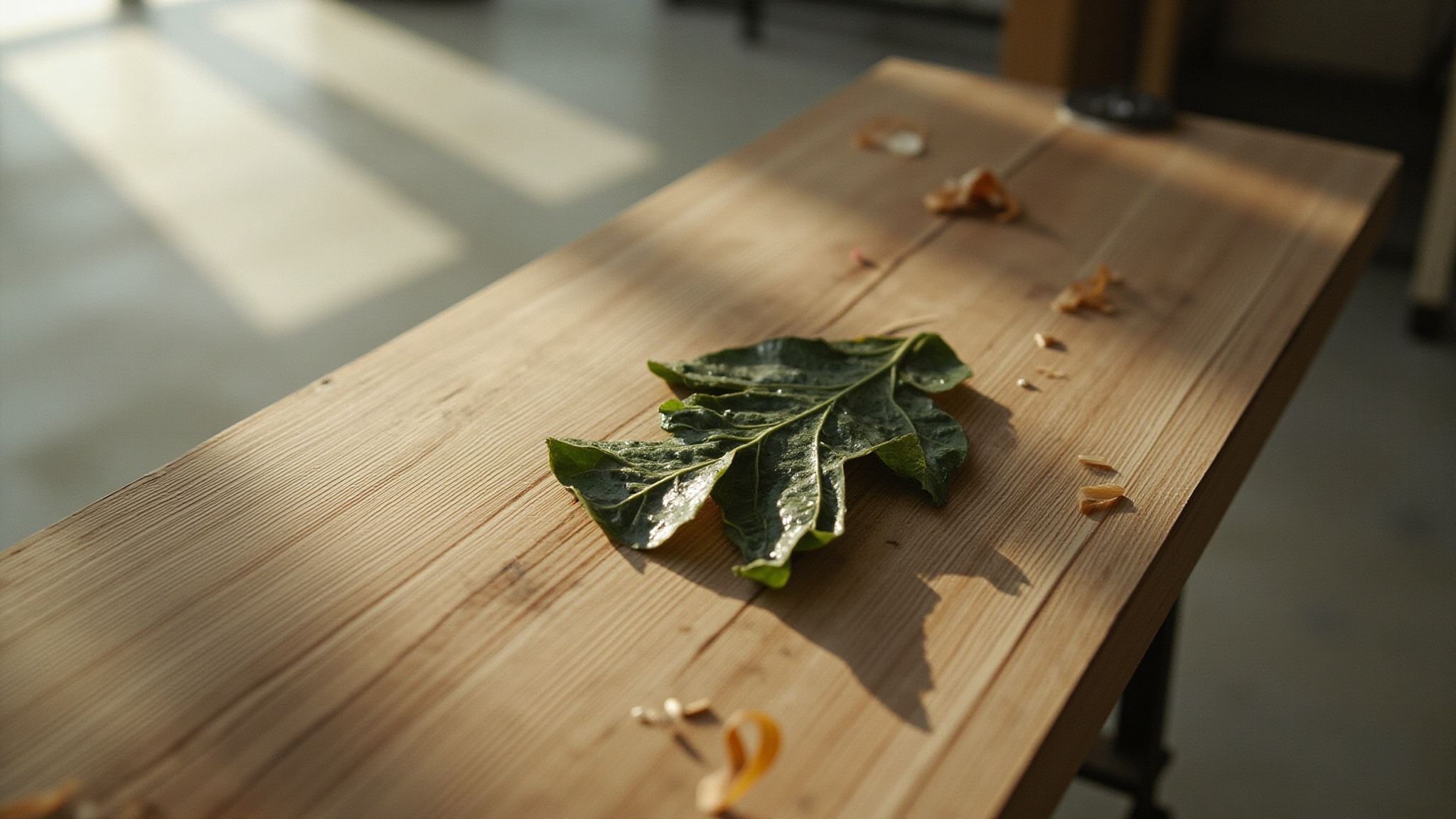
The opening hits immediately, green, waxy, botanical. Fig leaf at its most honest, crushed between fingers. The sap quality arrives next, that slightly bitter milky character that gives fig its distinction. Petitgrain water brightens the green without adding sweetness. Black pepper introduces a clean spice that keeps the composition from going flat. The rose shows up as a brief visitor around the 15-minute mark, there and gone, lending depth without softness. What follows is the drydown: Atlas cedar settling into warm wood, musk keeping everything skin-close, the frankincense as a distant memory of smoke. The cedar lingers for hours. Not projecting anymore, just present, close, the kind of drydown that requires someone standing near you to notice.
Cultural impact
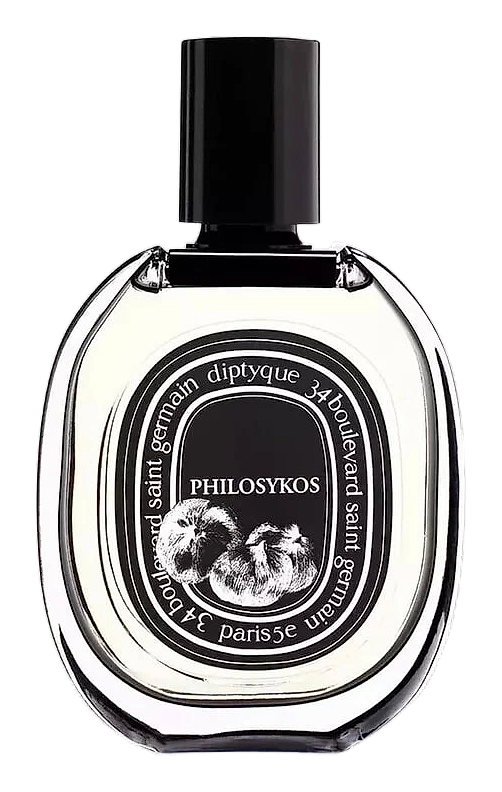
Fig stands apart in the fig fragrance category, not the sugary fruit interpretation common to the genre, but the whole tree. It attracts wearers who want fig's green, bitter honesty over its sweet dessert character. Those familiar with Diptyque's Philosykos find common ground but describe this as the leafier, greener cousin. It's fig without the usual sugar rush.