
The Story
Why it exists.
The beginning
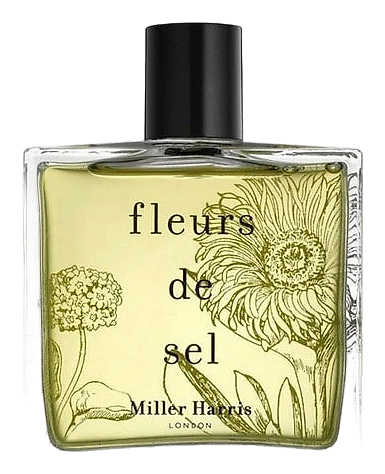
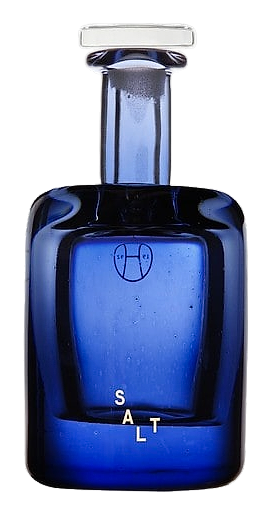
Salt begins with an absence. No ocean, no beach, no nautical reference. Just the memory of salt on skin, the residue of warm night air. Perfumer Lyn Harris translates that sensation into something mineral, dry, and hauntingly familiar. The fragrance captures what salt feels like after evaporation, when crystals remain on warm skin, when the air itself tastes of dryness. It's not a concept borrowed from a place but an olfactory translation of sensation, of what remains when water disappears and salt stays behind. The memory of that strange beauty informs every note.
What makes Salt unusual is its tension: it's aquatic in sensation without a drop of water. The salt isn't oceanic, it's mineral, dry, the residue of evaporation. Combined with cedar's quiet woodiness and aldehydic brightness, this composition captures air without sweetness. The transparent florals don't bloom so much as dissolve, wispy and weightless. Then amber and warm woods arrive in the drydown, turning the freshness into something worn, intimate, almost dangerous. It's a fragrance about contrast: clean and dirty, mineral and warm, wide open and close to the skin.
The evolution
The opening hits fast, mineral with an almost aggressive sharpness that catches in the back of the throat. Bright aldehydes arrive within moments, lightening the mineral atmosphere, making the whole thing feel more familiar. The heart phase belongs to salt. Not brine, not seaweed, dry salt, dust-like, the kind that forms on skin in warm wind. Transparent florals thread through here too, faint and dissolved, barely there. The drydown is where Salt gets interesting. Warm woods and amber settle in, but the warmth isn't heavy, it's the memory of heat, already softening. The salt never fully lifts. It deepens into skin, becomes skin. That's the part that lingers. Close, warm, intimate. The memory of it lasts longer than any precise duration.
Cultural impact
Salt occupies unusual territory in fragrance. It's not performing for anyone, which is exactly the point. The mineral-salt profile appeals to a specific kind of wearer: someone who wants a fragrance that smells like a memory rather than a statement. It stands apart from mass-market aquatic fragrances by refusing to smell like water, offering instead the sensation of what remains after water has gone. The dry, warm quality creates something intimate and personal, a scent that settles close to the skin and invites discovery rather than announcement.