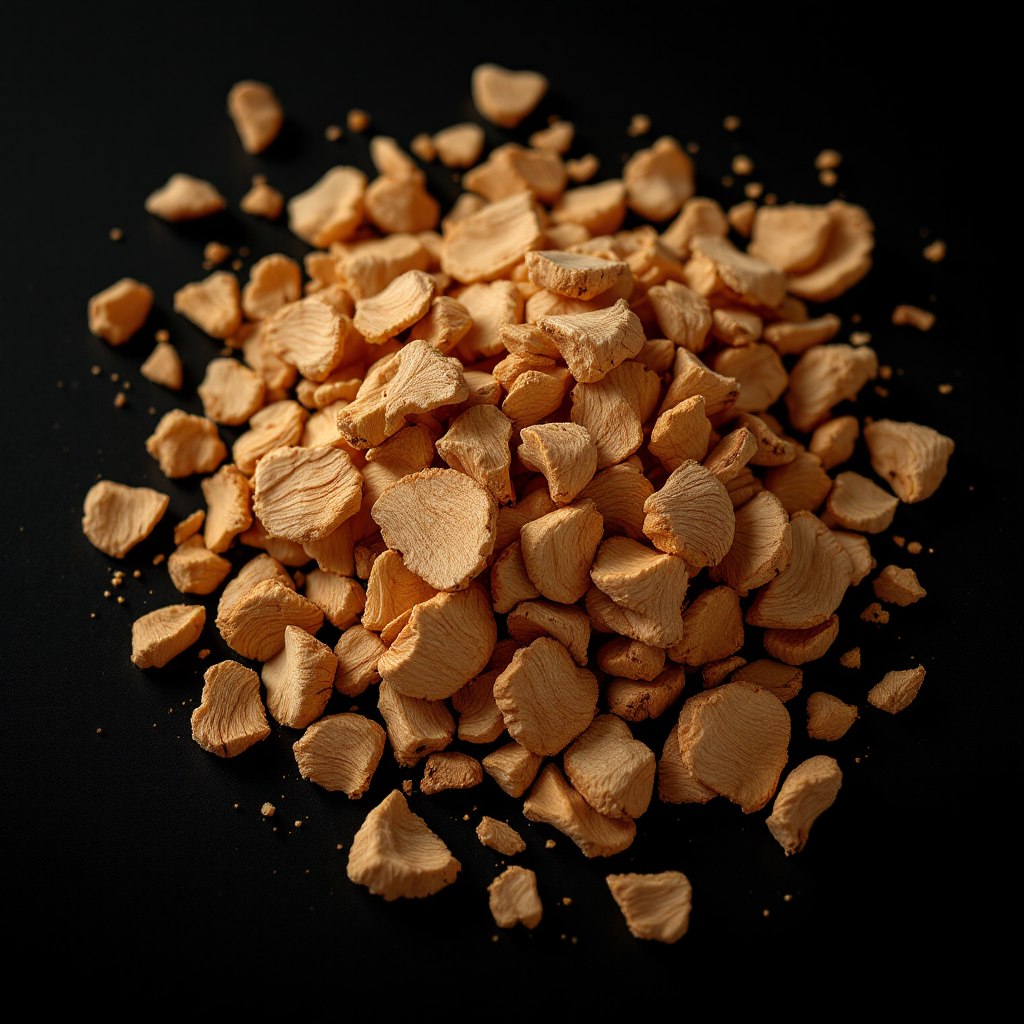
Juniper Wood
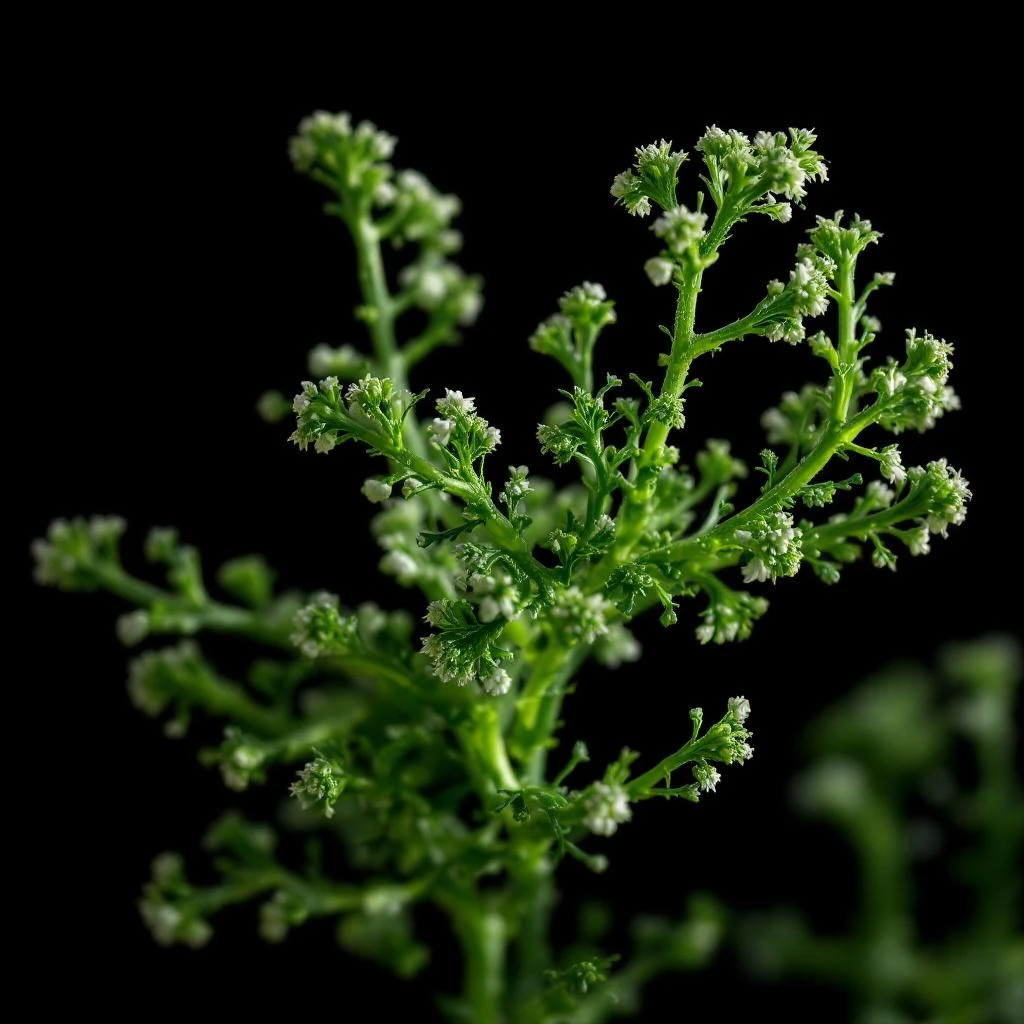
Juniper wood delivers a sharp, pencil-shaving freshness with resinous undertones that anchor men's colognes and aromatic fougères. The oil comes from the woody heartwood of Juniperus oxycedrus, primarily steam-distilled across the Balkans.
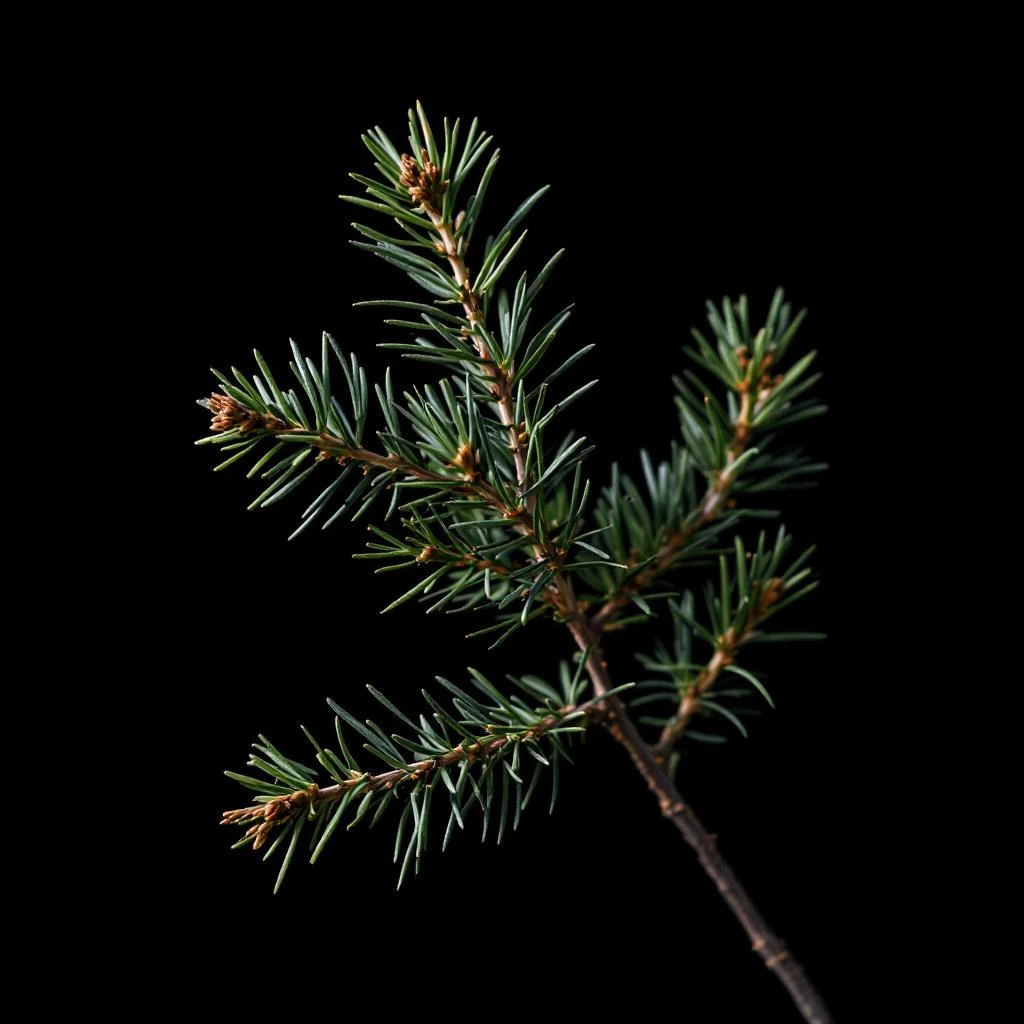
Character
How it smells
Sharp, resinous, bracingly fresh.
Virginian cedarwood sold commercially is actually a juniper species. The confusion persists because the wood shares cedar's aromatic signature.



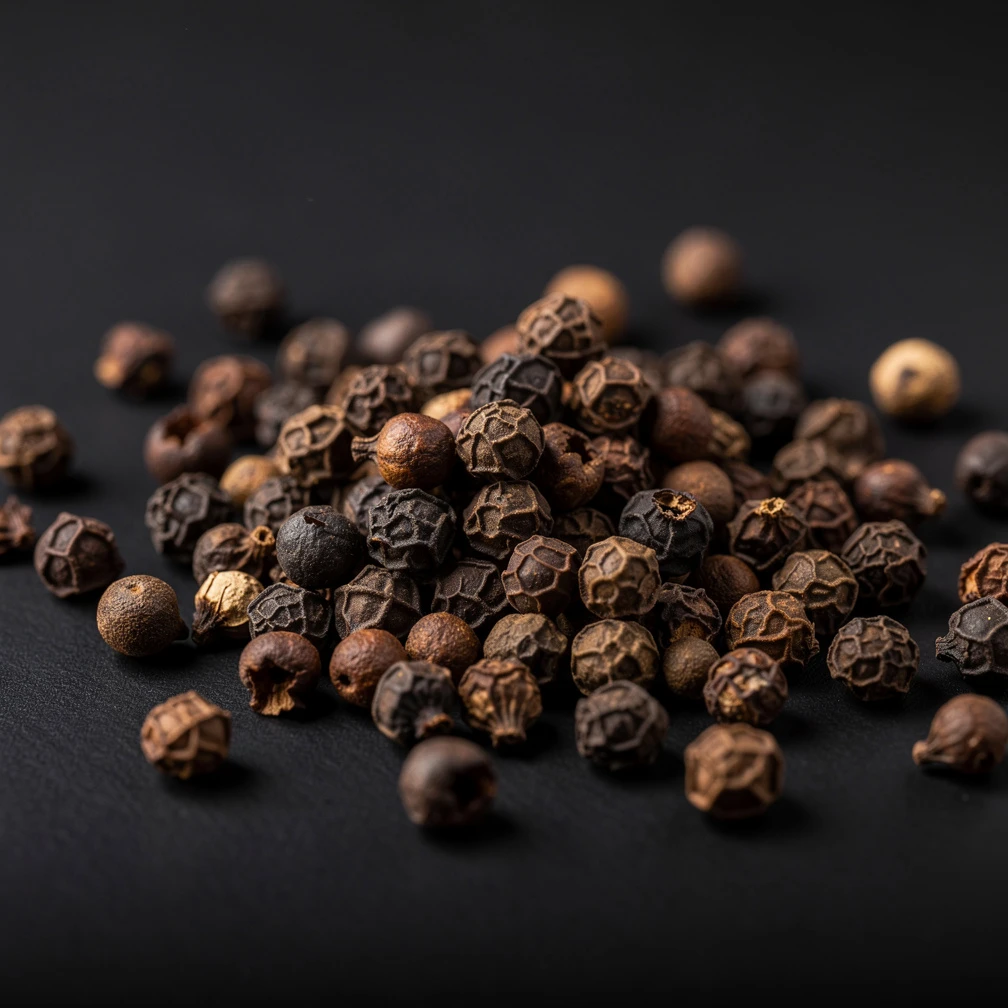
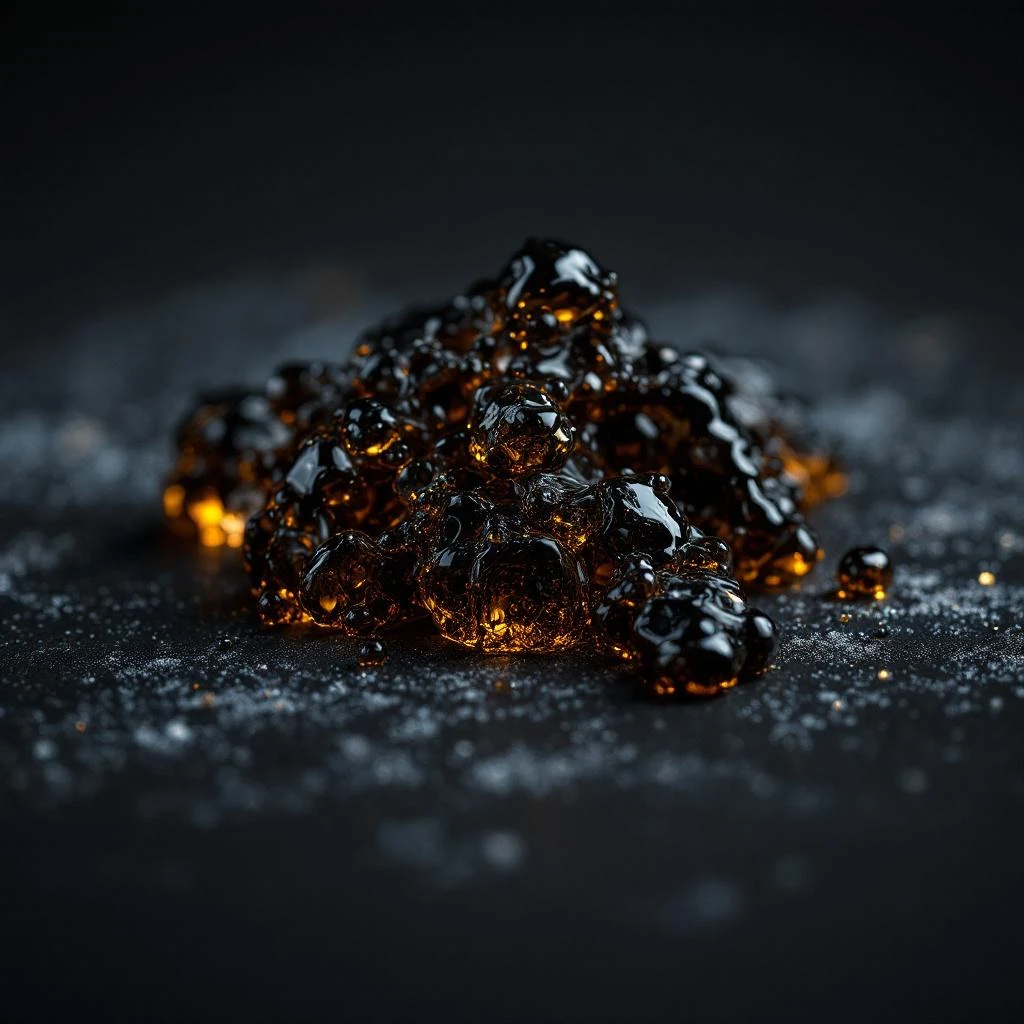



Origin
Bulgaria
Juniperus oxycedrus earned its species name from ancient Greek physicians who used the wood to treat conditions in sailors crossing the Mediterranean. The Romans burned juniper branches during epidemics, believing the smoke purified contaminated air. Throughout medieval Europe, people planted juniper near doorways as a protective ward, a custom tied to the tree's remarkable resistance to rot and its intensely aromatic smoke.
Alpine shepherds historically used juniper smoke to preserve cheese and disinfect containers. The plant's range spans from the Atlas Mountains of Morocco through Southern Europe to the Himalayas, giving it deep roots in multiple traditional medicine systems for thousands of years.
Wears it best
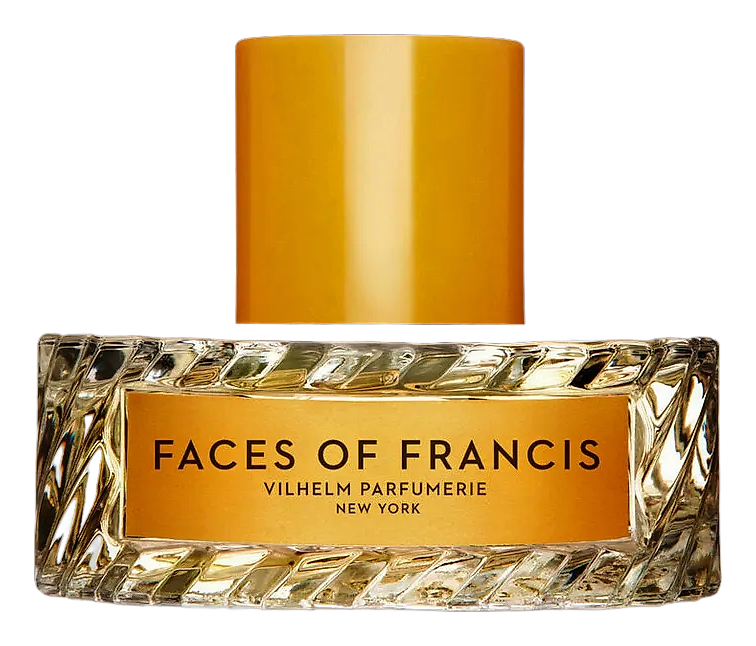
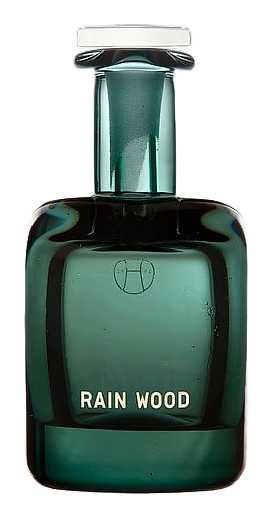
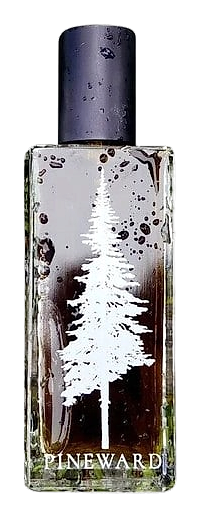
Fragrances featuring Juniper Wood


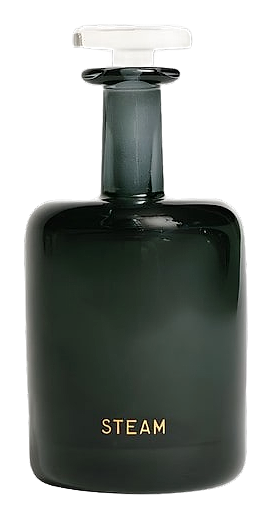


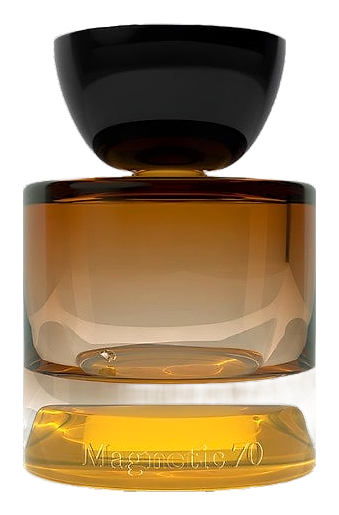
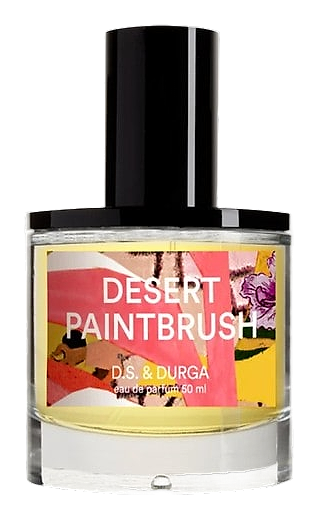

Brands
Brands known for Juniper Wood
Good to know
Questions, answered
The essentials on Juniper Wood in perfumery: how it smells, where it comes from, and how it behaves on skin.
What does juniper wood smell like?
Juniper wood opens with a sharp, pencil-shaving freshness that carries a distinctly coniferous character. The drydown reveals resinous, slightly medicinal undertones with a subtle smoky quality. Unlike true cedars, juniper reads as more bracing and austere, lending verticality to masculine fragrance constructions.
Is juniper wood a sustainable ingredient?
Steam-distilled juniper wood oil scores well on sustainability because harvesters can source it from pruned forestry waste. Distillers use the heartwood and branches from existing juniper populations across the Balkans without threatening wild stands. This makes juniper wood a responsible choice for perfumers seeking natural woody accords.
Which fragrance families use juniper wood?
Juniper wood appears most frequently in aromatic fougères, men's colognes, and forest-themed compositions. It also shows up in certain chypres and modern woody fragrances where perfumers need a sharper, more medicinal coniferous note than true cedar provides. The ingredient works especially well alongside lavender and oakmoss.
What is the difference between juniper wood and cedarwood?
Juniper wood and cedarwood share aromatic similarities but differ botanically. Virginian cedarwood sold commercially is actually Juniperus virginiana, a true juniper misnamed for its cedar-like scent. Juniperus oxycedrus delivers a sharper, more austere quality compared to the sweeter, creamier profile of Himalayan cedar.
Can juniper wood oil be synthetically replicated?
Cade oil, derived through destructive distillation of juniper wood, provides a more intensely smoky variant of juniper's aromatic profile. Some fragrance houses use this material when they need the juniper character without the volatility of steam-distilled oil. Both remain natural-origin materials, not synthetic replicas.
Where does commercial juniper wood oil come from?
The Balkans produce most commercial juniper wood oil, with Bulgaria, Albania, North Macedonia, and Croatia serving as primary origin countries. The Juniperus oxycedrus that thrives in these mountainous regions develops particularly rich aromatic compounds in its heartwood due to the elevation and climate conditions.
Does juniper wood appear in natural perfumery?
Juniper wood oil suits natural perfumery because steam distillation preserves the ingredient's botanical integrity without solvent residues. Natural perfumers value it for the same reasons conventional perfumers do: its ability to add coniferous freshness and structural support to masculine fragrance constructions.
What extraction method produces juniper wood oil?
Steam distillation extracts juniper wood oil by passing live steam through chipped heartwood and branches under controlled pressure. The steam carries volatile aromatic molecules into a condenser where they separate from the water phase. This method yields roughly fifteen to twenty grams of oil per kilogram of processed wood.