The Story
Why it exists.
The beginning
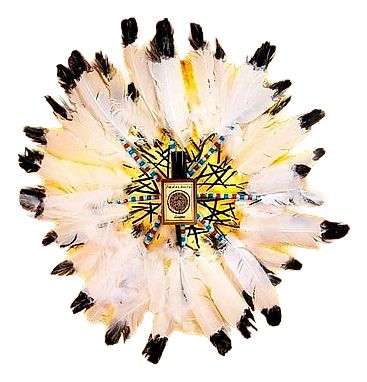
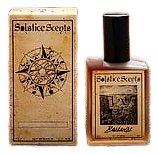
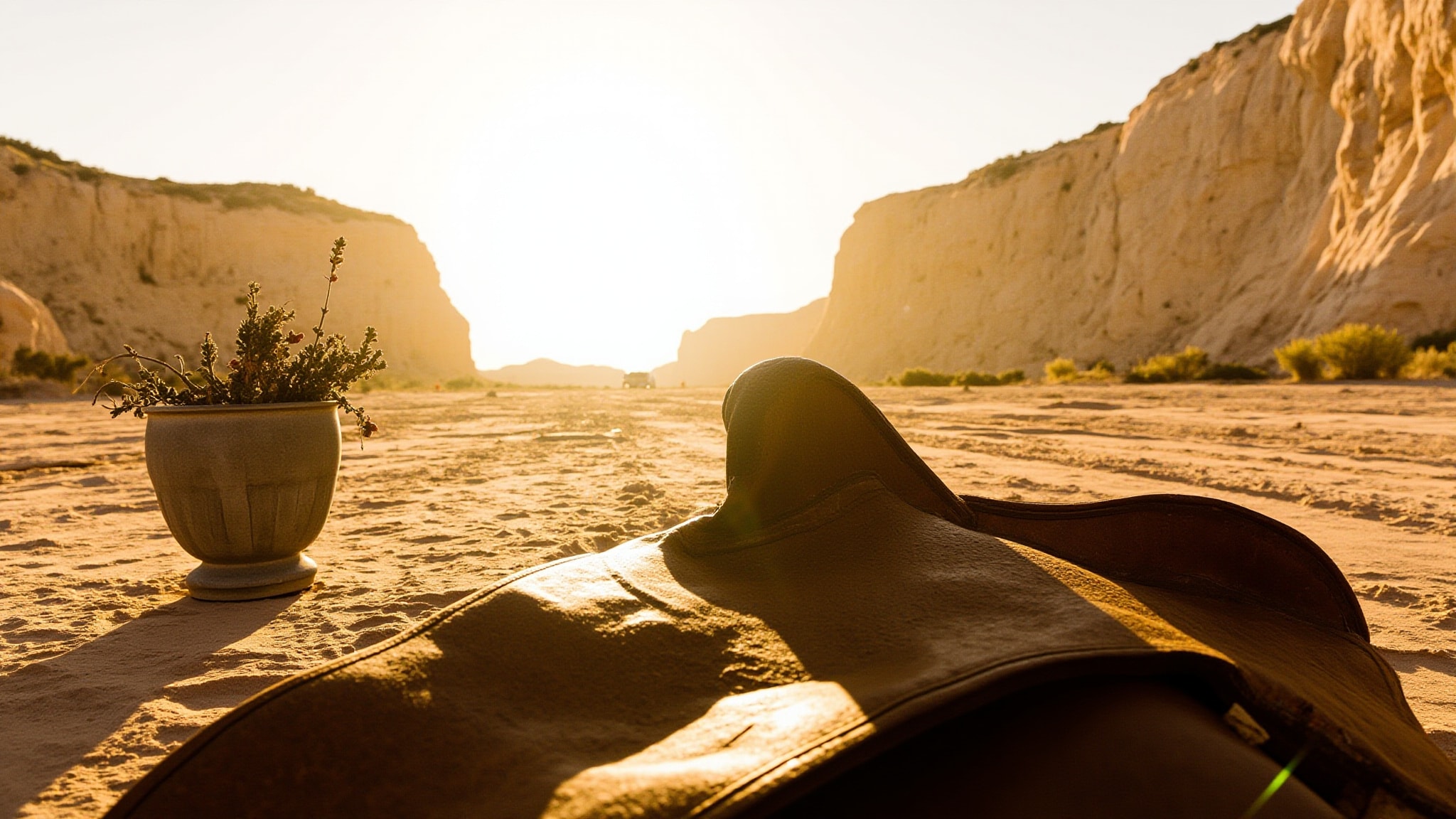
The name says everything. Badlands doesn't point toward a garden, a memory, a lover's skin. It points at geography, the real American Badlands of South Dakota, where the earth cracks under sun and the wind strips everything down to bone. Angela St. John translated that landscape into a perfume that refuses to be comfortable or convenient. This is a fragrance for wide-open space, not crowded rooms. It arrived in 2018 as a seasonal limited release, and it has stayed there, earned, sought after, never diluted. The perfumer built it from desert plants that other houses use as footnotes: sagebrush, dry grass, juniper berry. Here they are not backdrop. They lead. St. John inverted the expected perfume structure, the arid, the green, the scorched, sits at the top, where you encounter it first. The leather, the woods, the resins come after. The desert, not the oasis.
What makes Badlands unusual is not the individual materials, leather, oud, juniper appear across dozens of fragrances, but the ratio and the placement. The desert botanicals that most houses tuck into the heart or base sit at the top here. Sagebrush, juniper berry, and dry grass arrive first, hitting the nose with an arid, almost aggressive openness before the leather and resins arrive to deepen and anchor. The ponderosa pine cone and Palo Santo add a slightly tarry, resinous warmth beneath, but the overall effect remains dry, not sweet. There is no softening agent in the formula, no vanilla, no amber to round the edges. The dryness is the point, not a side effect.
The evolution
The opening hits hard and fast. Sagebrush and juniper berry arrive with a wild, almost weedy intensity, a scent memory of sun-bleached scrubland. Within five to ten minutes, the leather emerges, warm and dry, not the sleek leather of a new car but the cracked leather of a saddle left out in the weather. The juniper wood, sandalwood, and a thread of oud layer beneath, adding resinous depth without sweetness. The heart is where Badlands earns its reputation. The dry grass note, the one that separates this from generic woody fragrances, becomes more pronounced as the top botanicals fade. It smells like cut hay left to Cure in the sun, not the green cut grass of a suburban lawn. Resinous warmth from the myrrh and palo santo settles against the skin, staying intimate rather than projecting outward. The drydown is the longest phase: six to eight hours of a warm, dusty, resinous trail. The oud and leather fade last, leaving a faint animalic warmth that clings to skin and fabric like the memory of heat. On fabric, the juniper and leather hold for days.
Cultural impact
Badlands occupies a specific corner of indie perfumery: the drought, not the deluge. It challenges the conventions of cozy, approachable indie scent with a genuine dryness and desolation. For collectors who value originality over comfort, it has become a reference point, proof that a fragrance can smell like a landscape without romanticizing it. The seasonal limited release structure means it is not always available, which has only deepened its cult appeal among those who have found it and returned to it.