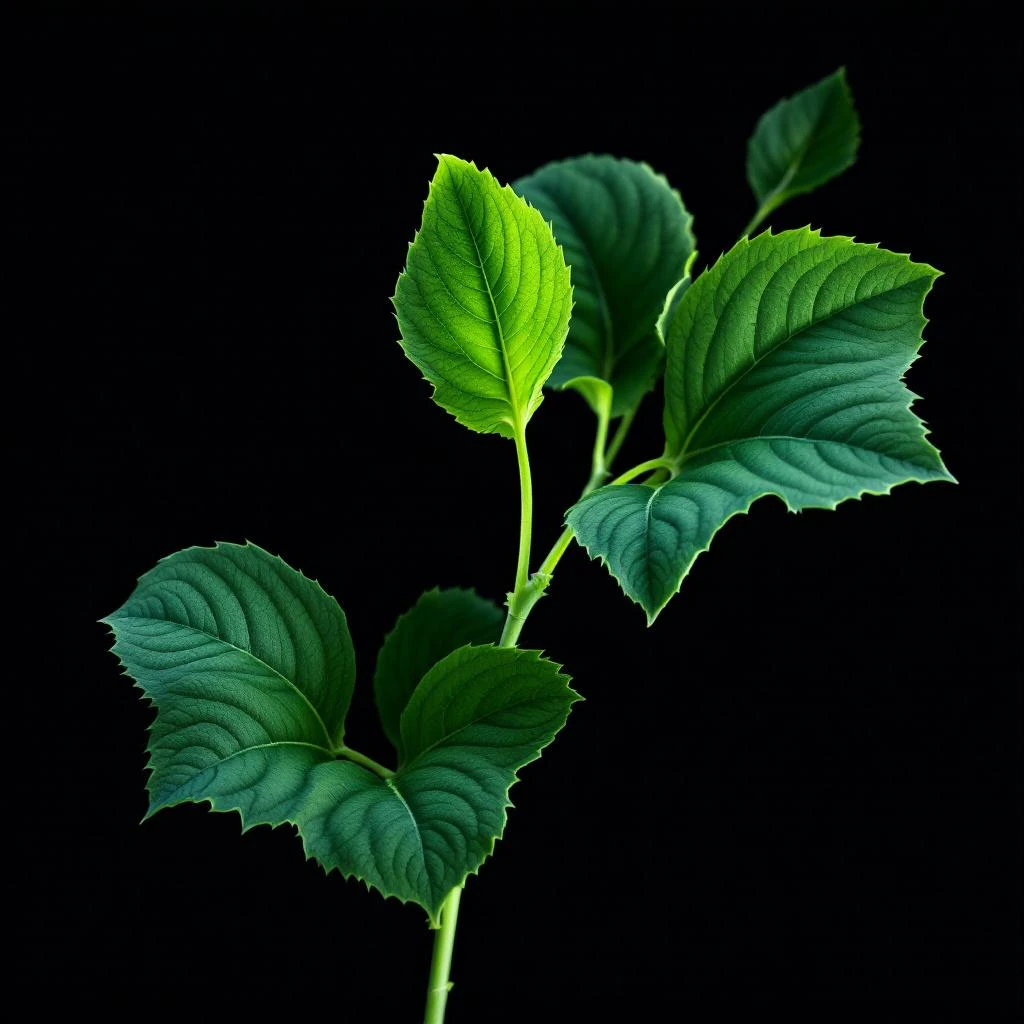
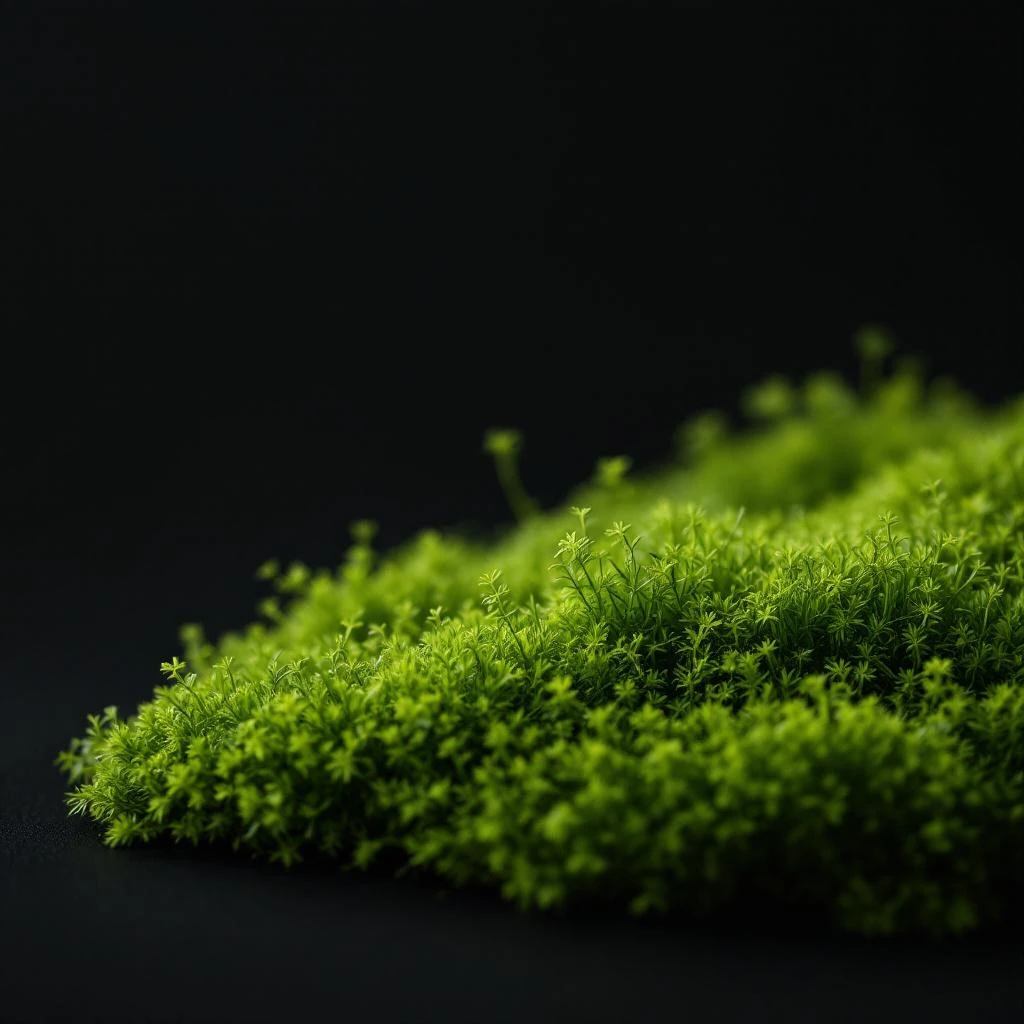
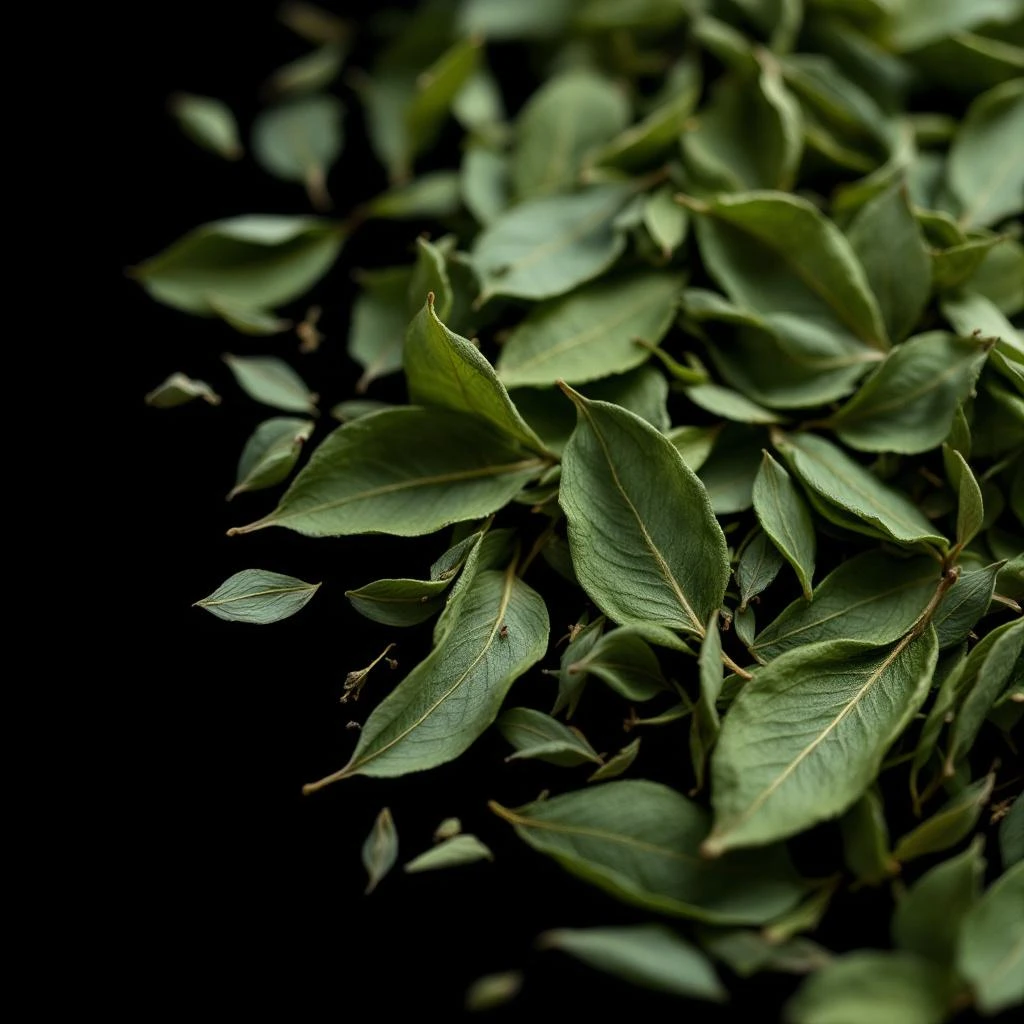
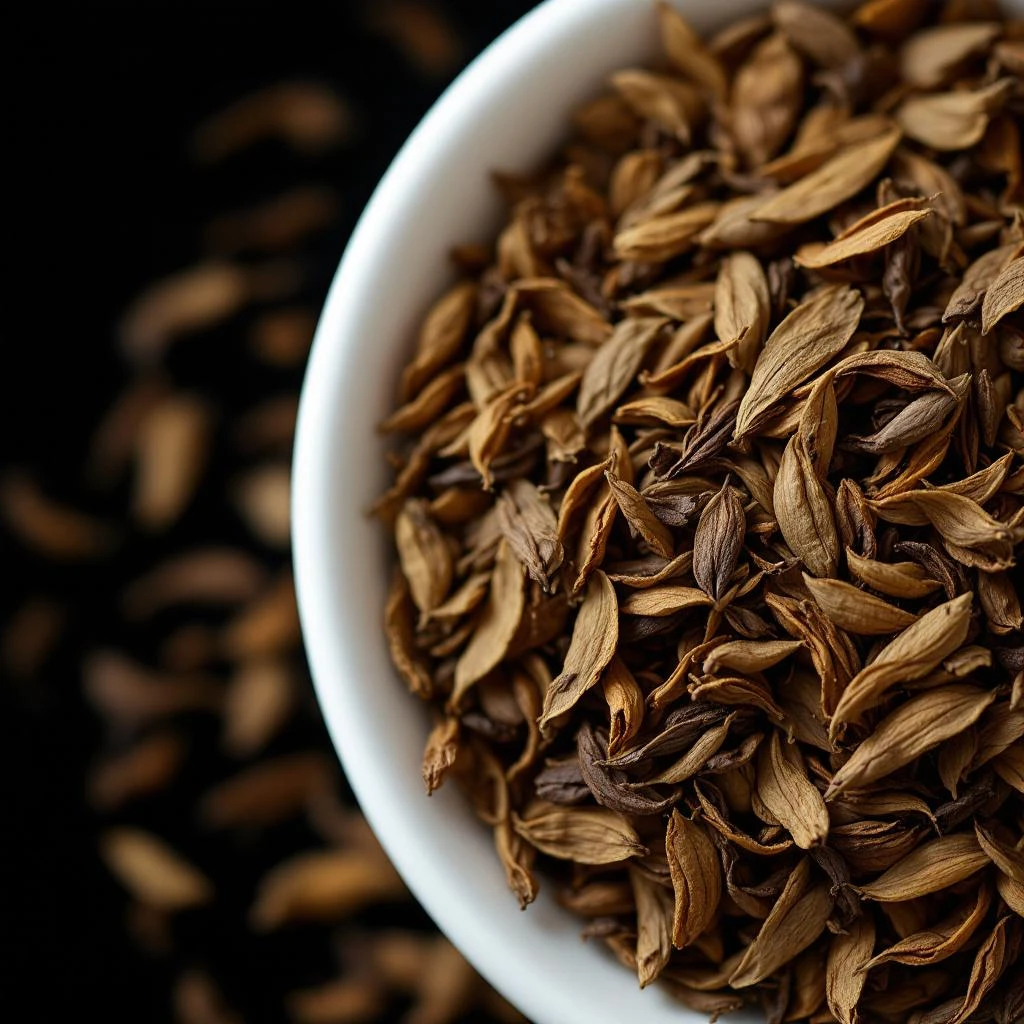
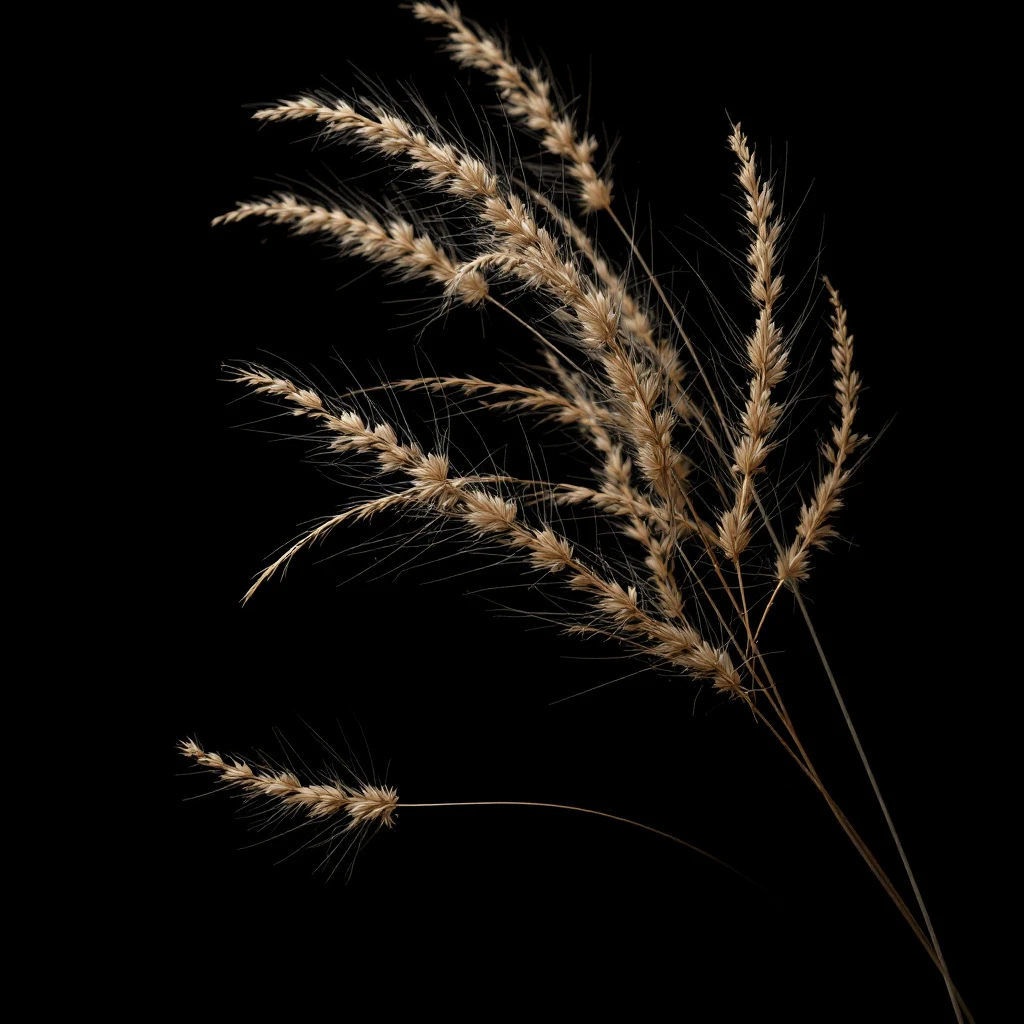
Dry grass
The sun-baked scent of hay after the last summer cut. Grassy, warm, with a quiet sweetness that settles into everything you wear. This is the smell of late August, preserved.
Character
How it smells
Summer's final breath, bottled
Coumarin, the molecule responsible for the dry grass scent, was first isolated from dipterocarp trees in 1820 before anyone realized it gave hay its characteristic smell.



Origin
France
Grasses have perfumed human spaces since antiquity. The ancient Egyptians and Romans burned dried grasses and herbs during ceremonies, unaware that the sweet-smelling smoke contained coumarin.
By the 19th century, French perfumers in Grasse began capturing these scents systematically. Hay absolute emerged as a premium ingredient when the city became the center of natural fragrance materials.
The term 'dry grass' entered perfumery vocabulary in the early 20th century as perfumers sought to describe the specific sensory effect of sun-baked botanicals. This note carries the weight of summer's end in every application.
Wears it best
Fragrances featuring Dry grass
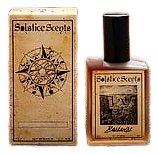
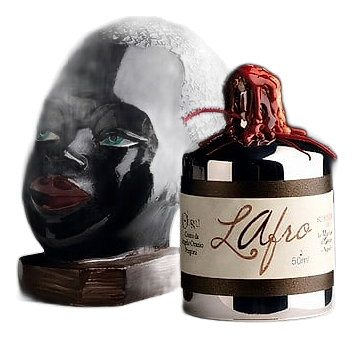
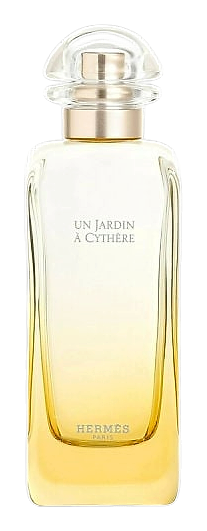
Brands
Brands known for Dry grass
Good to know
Questions, answered
The essentials on Dry grass in perfumery: how it smells, where it comes from, and how it behaves on skin.
What does dry grass smell like in perfume?
Dry grass delivers a warm, sun-baked aroma reminiscent of late-summer hay. It combines herbaceous and slightly sweet qualities with a quiet earthiness that adds depth without heaviness.
Is dry grass a natural or synthetic ingredient?
Dry grass can be natural or synthetic. Hay absolute, tonka bean, and various dried herb extracts provide natural versions. Synthetic coumarin replicates much of the character at lower cost. Many perfumers combine both approaches for optimal results.
What fragrance families commonly feature dry grass?
Fougère, chypre, and aromatic masculine fragrances often feature dry grass. Amber fragrances use it for warmth. Certain powdery florals incorporate hay or tonka for texture. The note appears across gender categories.
Which ingredients create a dry grass note?
The primary natural sources are hay absolute, tonka bean absolute, and extracts from sage, artemisia, and similar dried botanicals. Each contributes slightly different aspects of the dry grass character. Many perfumers create custom blends.
How is hay absolute used in perfumery?
Hay absolute is extracted from dried grasses using hydrocarbon solvents, producing a dark, viscous material. Perfumers add it in small concentrations to create warmth and natural character. The ingredient pairs exceptionally well with woody and amber base notes.
Where does the dry grass note originate historically?
The ancient Romans and Greeks burned dried grasses for ceremonial purposes, unknowingly releasing coumarin into the air. By the 19th century, French perfumers in Grasse began extracting these scents systematically, establishing dry grass as a perfumery material.
What notes pair well with dry grass?
Cedar and vetiver add woody depth. Labdanum and other resinous materials complement the warm character. Tobacco notes and warm spices like clove enhance the cozy feeling. The combination depends on the desired final effect.
Does dry grass work in all seasons?
Dry grass performs best in warm-weather fragrances due to its sunny, outdoor character. However, when paired with richer base materials like amber or woods, it translates effectively into autumn scents and can add unexpected lightness to winter formulas.