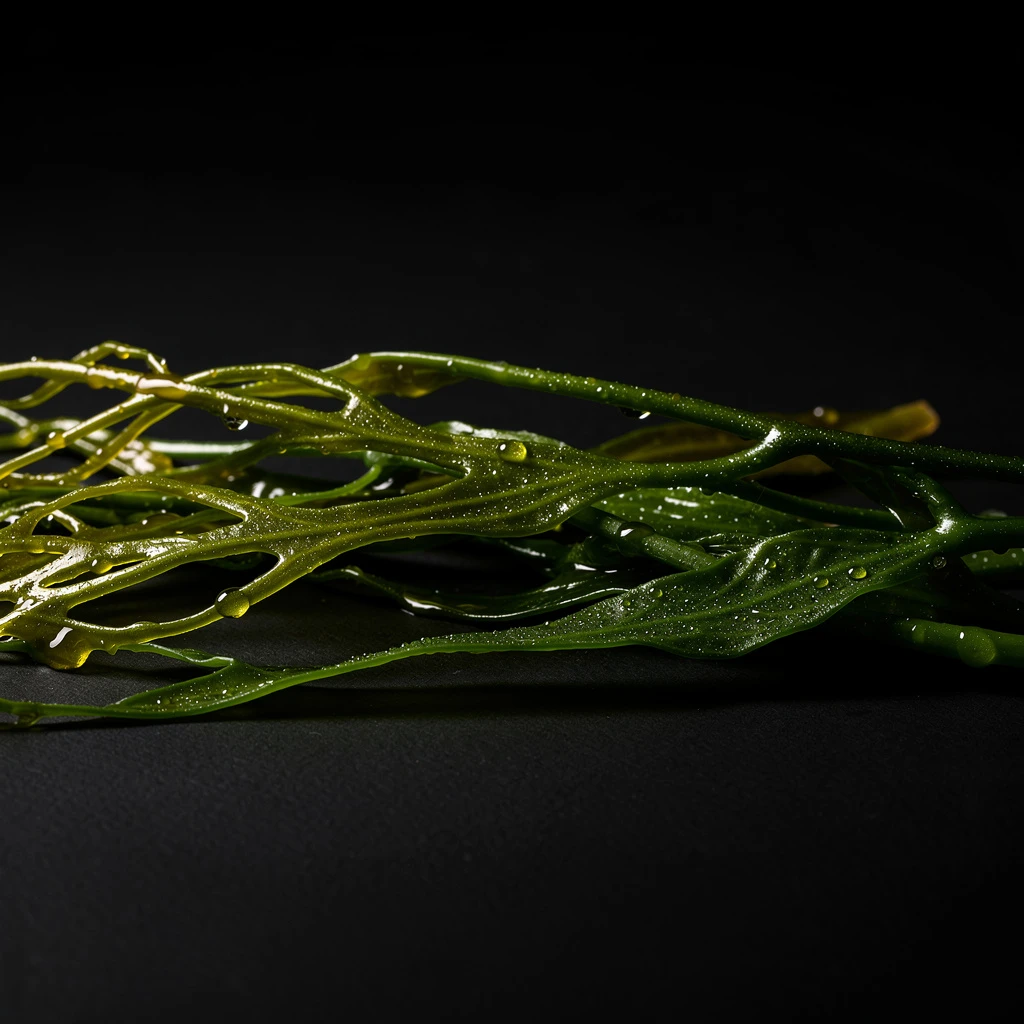
Blue-green Algae
Sourced from freshwater and marine environments, blue-green algae brings an aquatic, mineral freshness to fragrances that evokes rain-washed shores and deep-water springs.

Character
How it smells
The oceanic essence captured from microscopic life.
Cyanobacteria produce geosmin, the compound responsible for the scent of rain falling on dry earth.








Origin
Norway
Cyanobacteria are among Earth's oldest life forms, appearing in fossil records dating back 3. 5 billion years. Ancient civilizations encountered these organisms as pond scums and ocean blooms, though perfumery applications remained unknown until modern marine biology research.
Perfumery began exploring aquatic and marine ingredients in the late 20th century as consumers sought fresher, more naturalistic fragrance profiles. Researchers studying freshwater ecosystems noticed the distinctive smell of cyanobacteria blooms and began investigating their aromatic potential. The 1980s and 1990s saw increasing interest in marine biotechnologies, eventually bringing cyanobacteria extracts into the fragrance formulator's palette.
Today, these ancient microorganisms represent a bridge between oceanic ecosystems and contemporary scent creation.
Wears it best
Fragrances featuring Blue-green Algae
Brands
Brands known for Blue-green Algae
Good to know
Questions, answered
The essentials on Blue-green Algae in perfumery: how it smells, where it comes from, and how it behaves on skin.
What does blue-green algae smell like?
Blue-green algae extract delivers a fresh aquatic scent with mineral undertones. Think of it as a clean, oceanic note with earthy depth, similar to wet stones by a freshwater stream.
Is blue-green algae used in natural or synthetic perfumery?
Blue-green algae occupies a middle ground. It is a cultivated biological material extracted using modern biotechnological methods, neither purely natural nor fully synthetic.
Which fragrances use blue-green algae?
Fragrance houses incorporate cyanobacteria extracts as supporting aquatic notes in marine and fresh fragrance families. It often appears alongside calone and marine accord materials.
Is blue-green algae sustainable to source?
Controlled bioreactor cultivation makes blue-green algae renewable and scalable. Unlike wild-harvested ingredients, it does not deplete natural populations or ecosystems.
Does blue-green algae contain geosmin?
Yes, many cyanobacteria species produce geosmin, the compound responsible for petrichor. This adds an earthy dimension to the otherwise fresh aquatic profile.
How does blue-green algae compare to sea salt or marine extracts?
Sea salt and marine botanicals emphasize salinity and ocean character. Blue-green algae adds a mineral-fresh quality more reminiscent of freshwater springs than open ocean.
What fragrance families pair well with blue-green algae?
It works well in aquatic, ozonic, and green fragrance families. Pairings with vetiver, cedar, and citrus amplify its clean, natural character.
Is cyanobacteria extract safe for skin use?
Fragrance-grade extracts undergo purity testing and are safe at recommended usage levels. As with all ingredients, individual skin sensitivity varies.