The Story
Why it exists.
The beginning
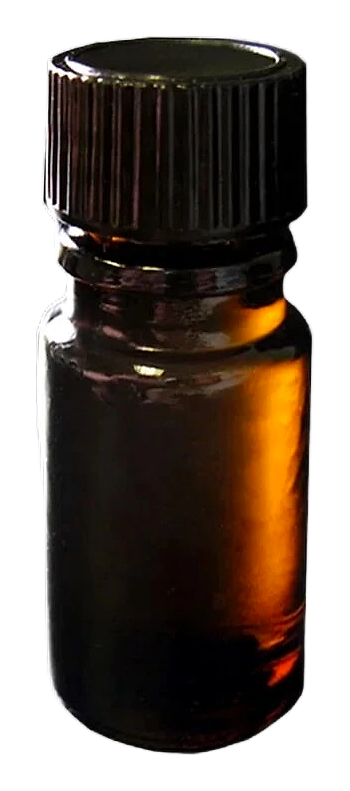
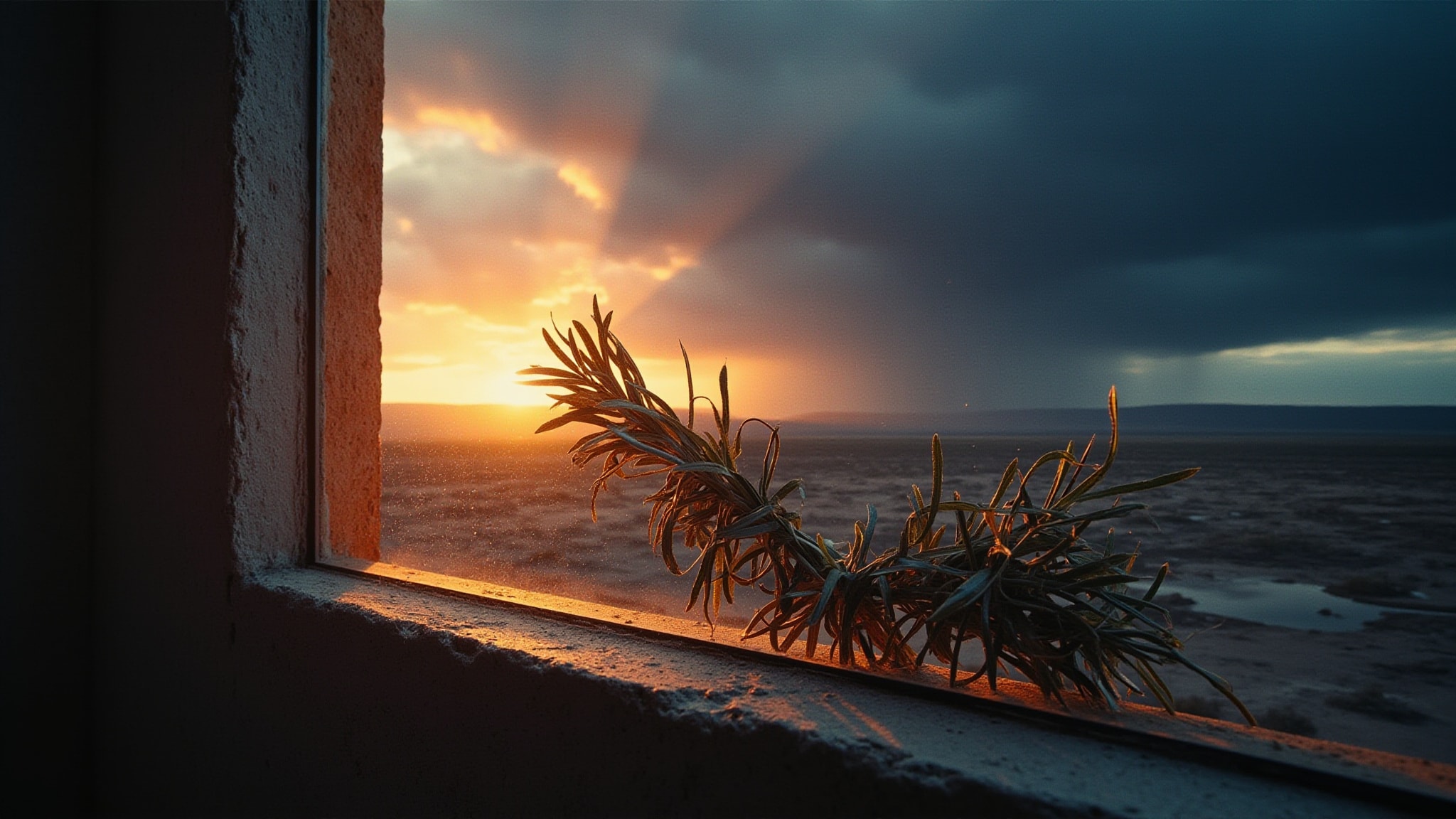
Angela St. John built Desert Thunderstorm around pinyon resin sourced from New Mexico, paired with essential oils distilled from desert plants in New Mexico and Utah by a small artisanal producer. Released in 2015, the fragrance translates a specific weather event: the monsoon thunderstorm that rolls through the high desert, the landscape exhaling as moisture arrives. The blend is primarily natural, heavy on those essential oils, with a focus on the raw aromatic materials of the Southwest. The brand's broader catalog runs from bath products to niche extraits, but this one pulls from the earth directly. The result is a perfume that captures the drama of desert rainfall, dry air giving way to rain, the sudden green scent released by moisture, the mineral richness of soil meeting water.
The pinyon resin is the anchor. Sourced from New Mexico's high desert, it brings a balsamic sweetness that synthetic pine notes rarely capture. Combined with the essential oils of desert sage, creosote bush, and sweetgrass from the same region, the composition reads as terroir as much as perfume. The smoke element comes from a canyon fire, a distinction in temperature and material that adds a particular pitch-like character to the blend.
The evolution
The first minutes are a jolt. Rain and sage and green, sharp and medicinal in its clarity. Creosote bush rides the wet air, present and distinct. Then the pine arrives. Pinyon and ponderosa together, a one-two of resin and needle, slightly sweet like sarsaparilla according to some, medicinal and dry according to others. The smoke does not dominate the opening but it is there, thick sap on fire, sitting underneath everything. Over the next few hours, the rain and creosote recede to a trace. The heart becomes herbal and woody. The drydown is smoke and resin and sand, the ghost of the fire after the storm has passed, warm mineral on skin, lingering as the hours pass.
Cultural impact
The niche fragrance market has seen growing interest in hyper-specific atmospherics. Desert Thunderstorm exemplifies this with pinyon pine resin from New Mexico, creosote bush, and smoke from a canyon fire. This ingredient-level specificity appeals to enthusiasts who approach fragrance as sensory artifacts rather than status symbols. Place-based perfumery has become a recognized approach in indie circles, with scents built around specific regional botanicals and natural materials rather than generic accords.