Pinyon pine
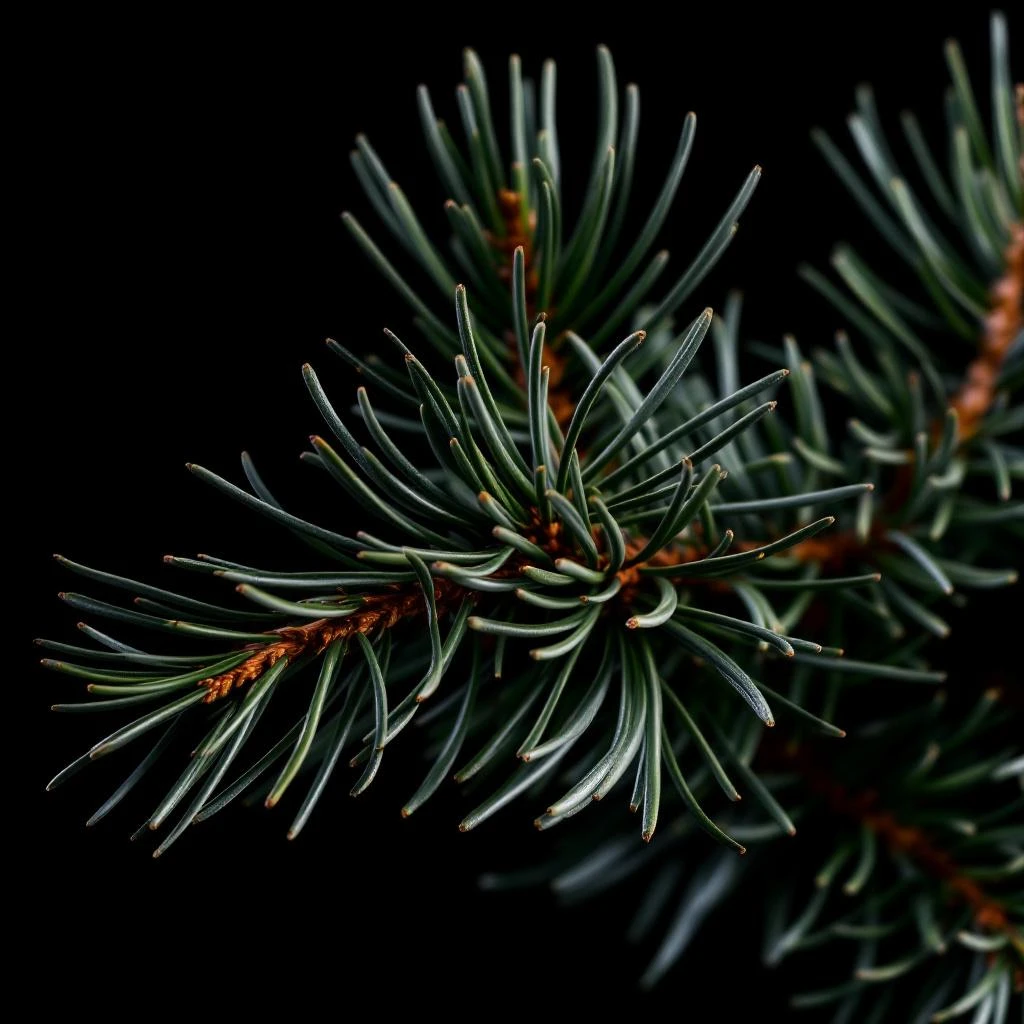
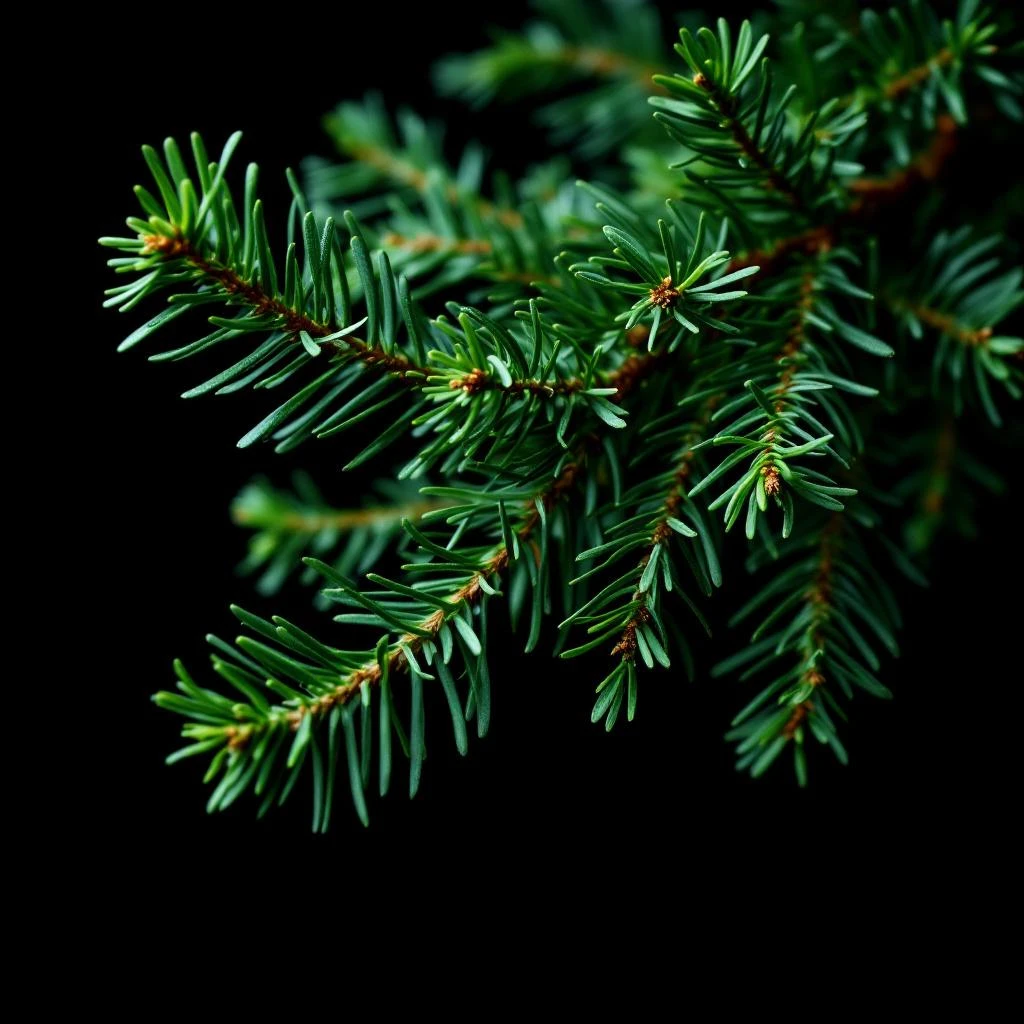
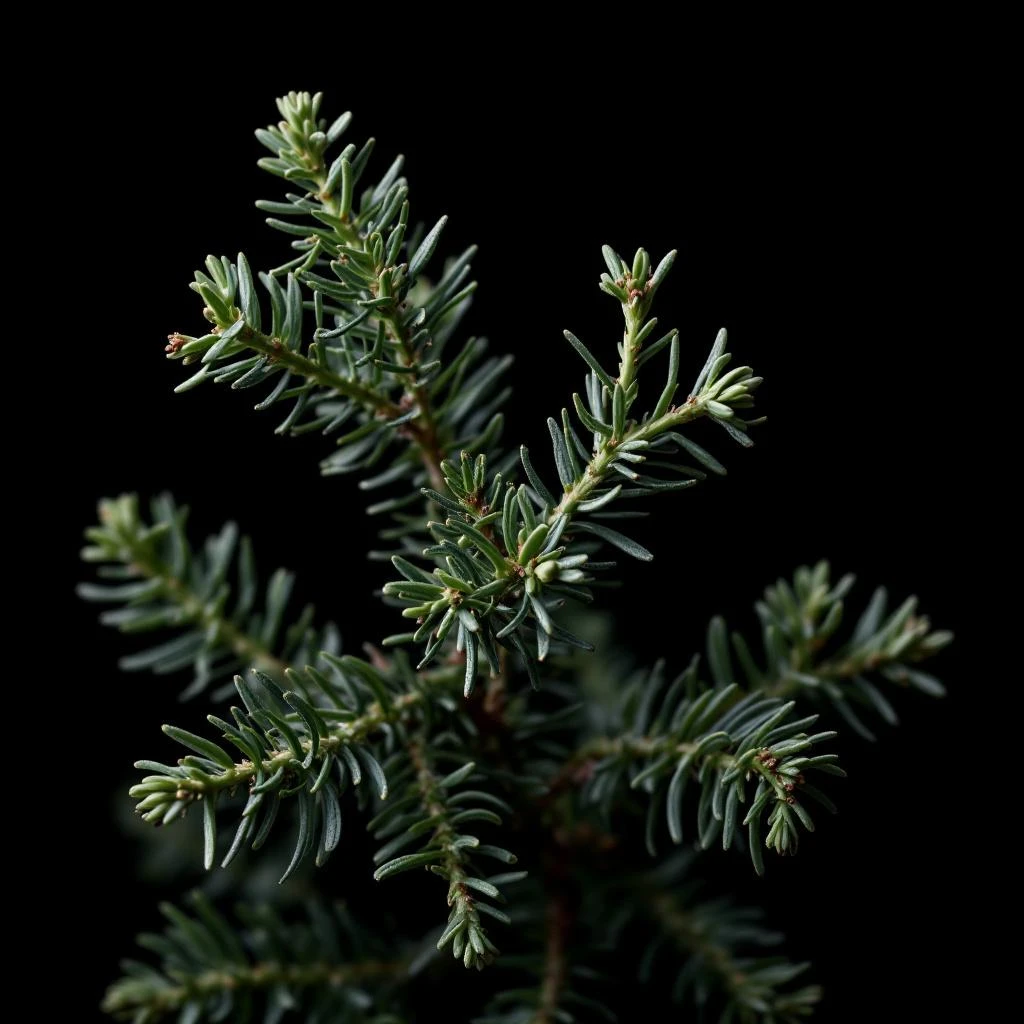
Pinyon pine delivers a rich, green, and slightly spicy aroma that captures the soul of the high desert. This American Southwest native combines coniferous freshness with warm, balsamic depth, creating fragrances that evoke windswept mesas and ancient juniper groves.
Character
How it smells
The scent of the high desert, captured in resin.
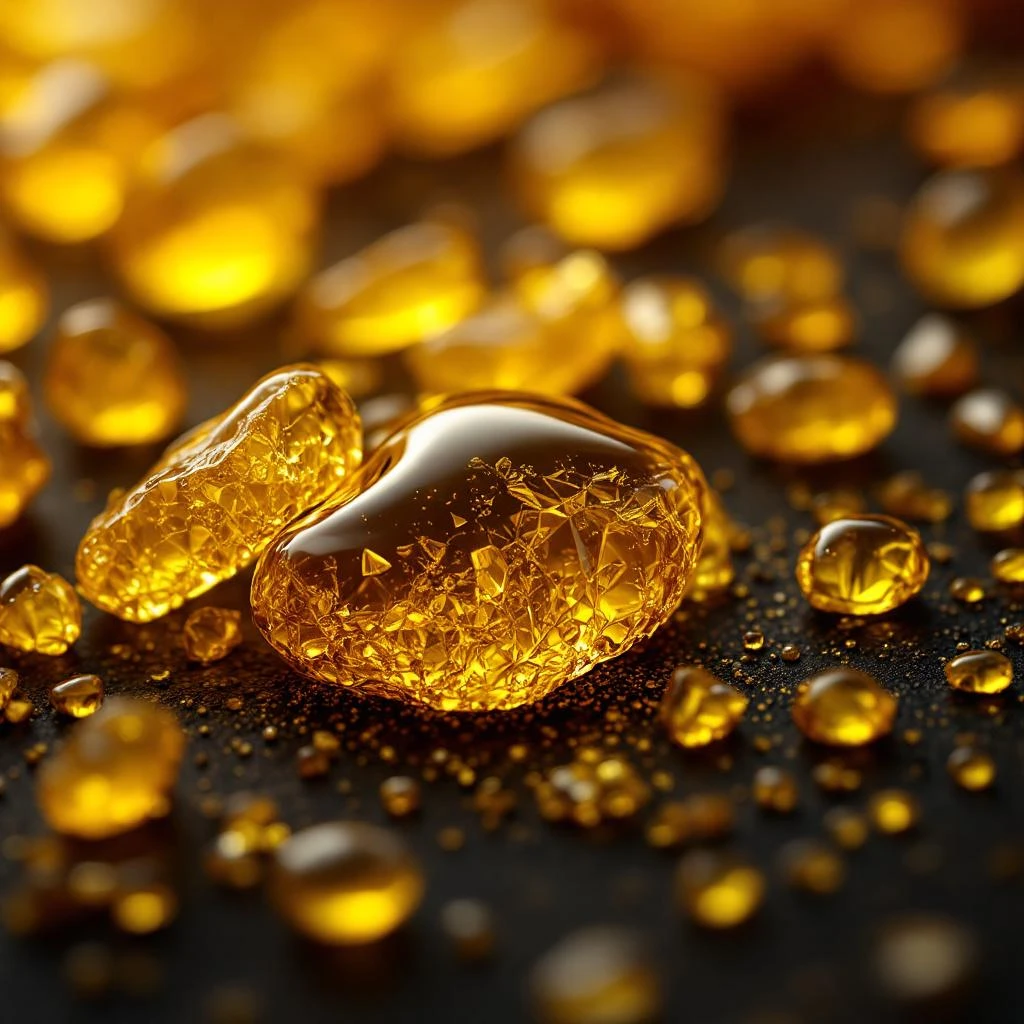
Pinyon resin served as the original adhesive for Native American communities, sealing baskets, waterproofing vessels, and even crafting tools.





Origin
United States
Pinyon pine has deep roots in the American Southwest, where indigenous peoples utilized virtually every part of the tree for thousands of years. The Spanish colonial term pinyon entered English through trade networks, naming a resource that Native communities had long understood intimately.
Archaeological evidence shows pinyon resin in tool-making and ceremonial contexts dating back centuries. While ancient Egyptians and Greeks applied pine broadly for medicinal and ritual purposes, the pinyon species itself belongs distinctly to North American landscapes.
Indigenous groups harvested the edible pinyon nuts as a staple food source while processing the resin for practical applications including waterproofing, adhesive making, and medicinal preparations. This dual utility as food and material resource set pinyon pine apart from European pine species that perfumers would later describe.
Wears it best
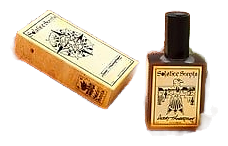
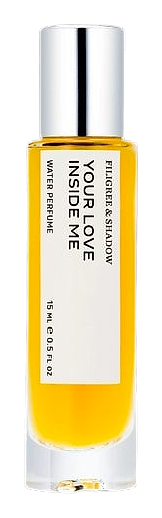
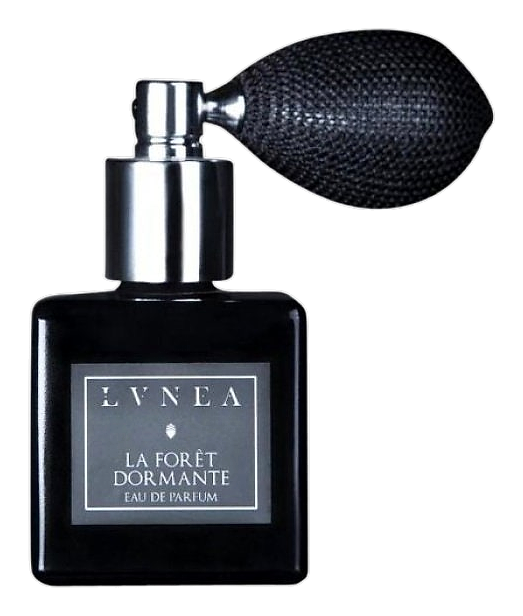
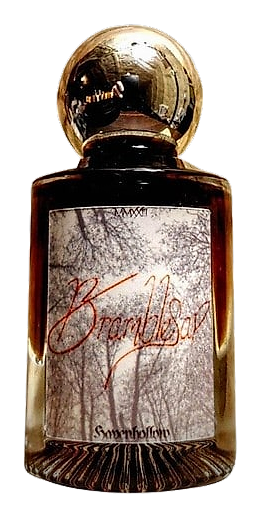
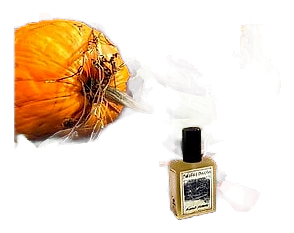
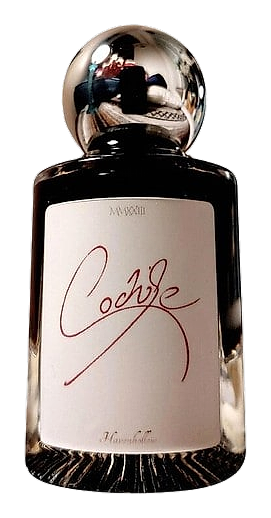
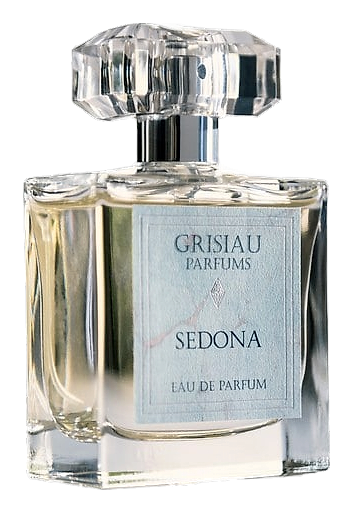
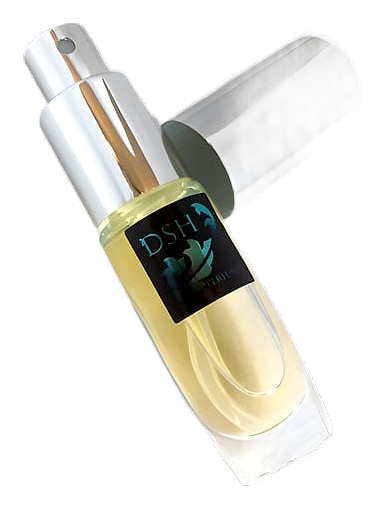
Fragrances featuring Pinyon pine
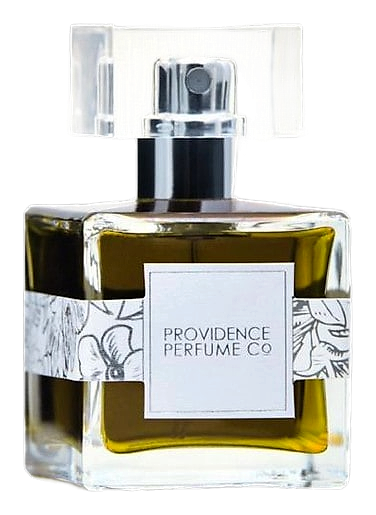
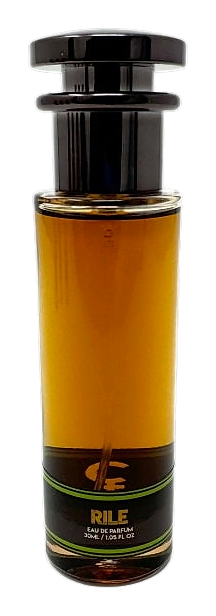
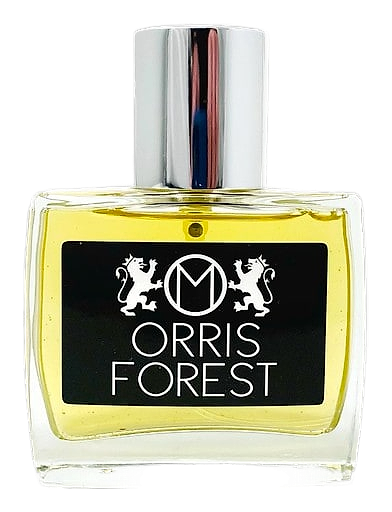
Brands
Brands known for Pinyon pine
Good to know
Questions, answered
The essentials on Pinyon pine in perfumery: how it smells, where it comes from, and how it behaves on skin.
What does pinyon pine smell like?
Pinyon pine produces a rich, green, and slightly spicy aroma with pronounced resinous and balsamic qualities. The scent carries coniferous freshness tempered by warm, almost spicy undertones that distinguish it from sharper, more medicinal pine oils.
Where does pinyon pine grow?
Pinyon pine grows across the American Southwest, particularly in the Colorado Plateau region spanning Utah, Colorado, New Mexico, and Arizona. Pinus edulis, the single-leaf pinyon, thrives at elevations between 4,500 and 9,000 feet in arid juniper-pinyon woodland ecosystems.
How is pinyon pine oil extracted?
Producers extract pinyon pine oil through steam distillation of needles and twigs. Fresh plant material goes into a distillation chamber where steam passes through, carrying volatile aromatic compounds into a condenser where they separate from the water as essential oil.
Is pinyon pine oil safe for skin?
Pinyon pine oil requires careful dilution, typically staying below 2% concentration in finished products. The oil contains monoterpenes that may cause skin sensitization in some individuals. Perform a patch test before broader application.
How does pinyon pine differ from other pine oils?
Pinyon pine oil offers a richer, more complex aromatic profile compared to standard pine oils. Its scent combines green freshness with spicy warmth and balsamic depth rather than the sharper, more medicinal character ofScotch pine or other commercial pine species.
What role does pinyon play in perfumery?
Pinyon pine brings grounding woody notes to fragrance compositions while functioning as a fixative that extends the wear of lighter top notes. Perfumers value its ability to add atmospheric authenticity to forest, outdoor, and nature-inspired fragrance concepts.
Can pinyon pine resin be used directly?
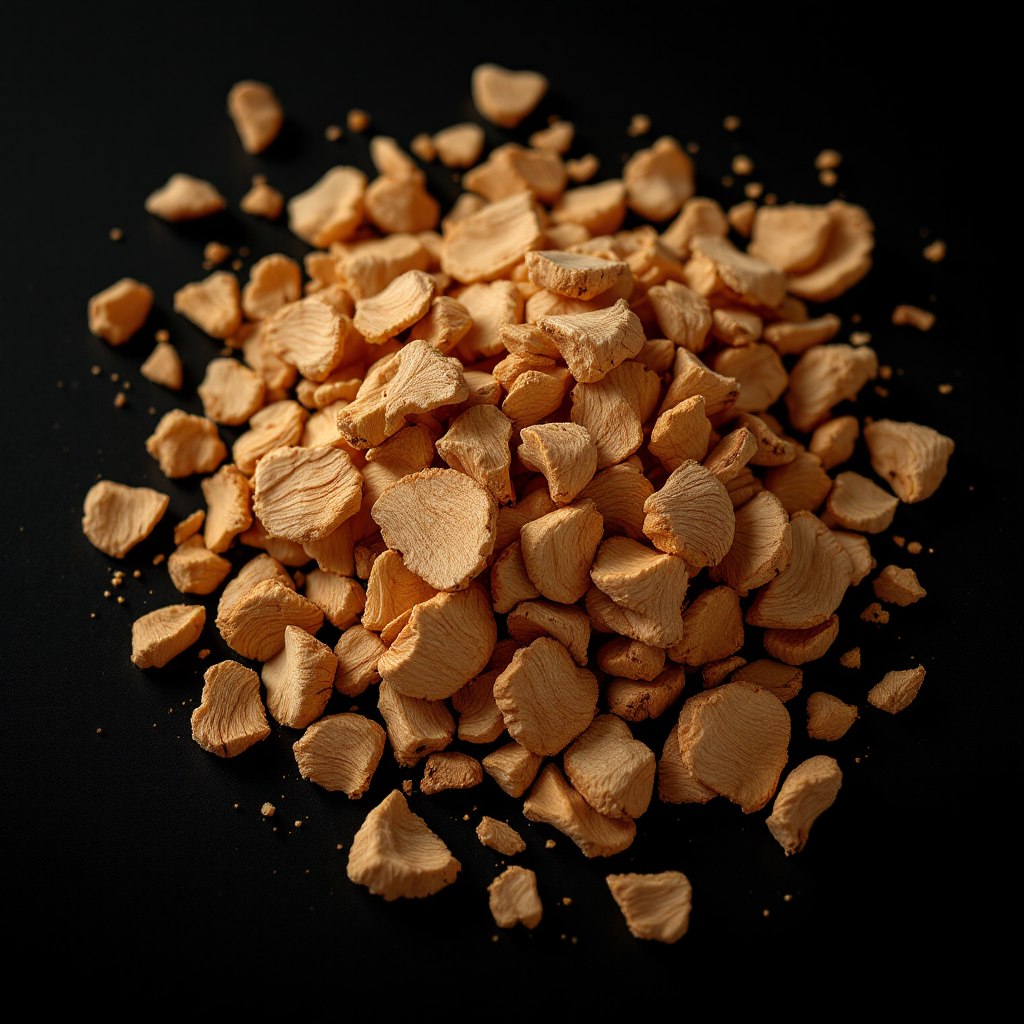
Pine resin in its raw form requires processing before perfumery use. Traditional methods include alcohol tincturing or creating a resinoid through solvent extraction. The raw resin offers intensely concentrated aroma but needs dilution for practical application.
What historical uses shaped pinyon pine's significance?
Indigenous communities of the Southwest used pinyon pine for food, medicine, and materials for millennia. The edible nuts provided nutrition while the resin served practical functions including waterproofing, adhesive making, and medicinal applications. This multifaceted utility established pinyon's cultural importance long before perfumery adopted the ingredient.