Desert Sage
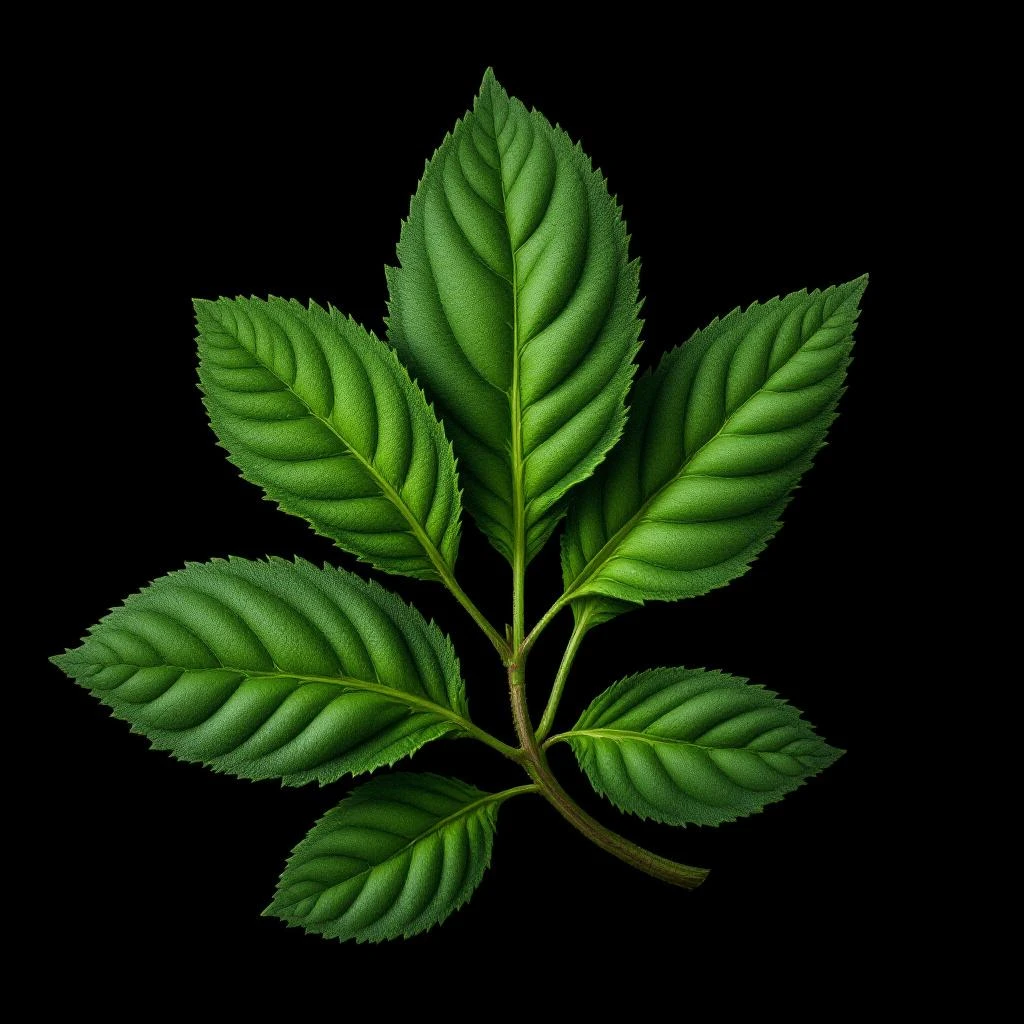
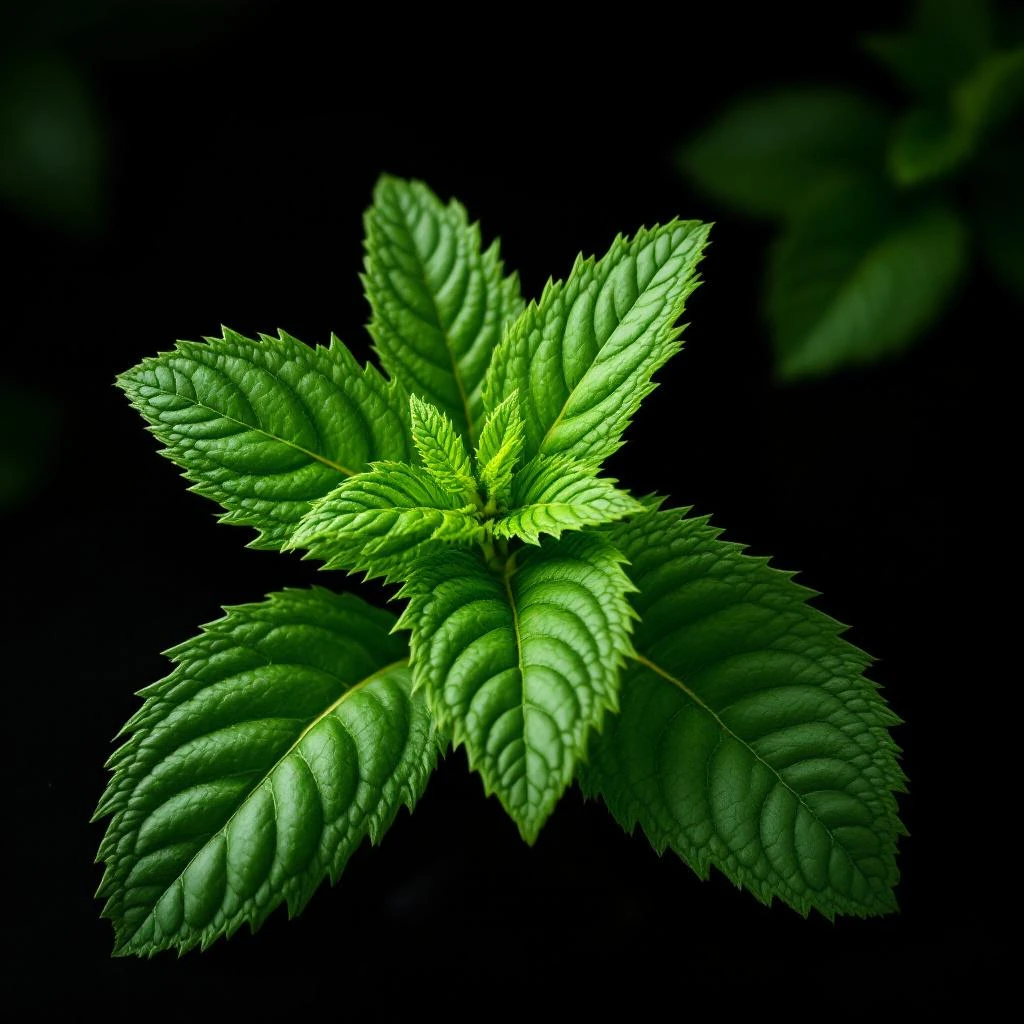
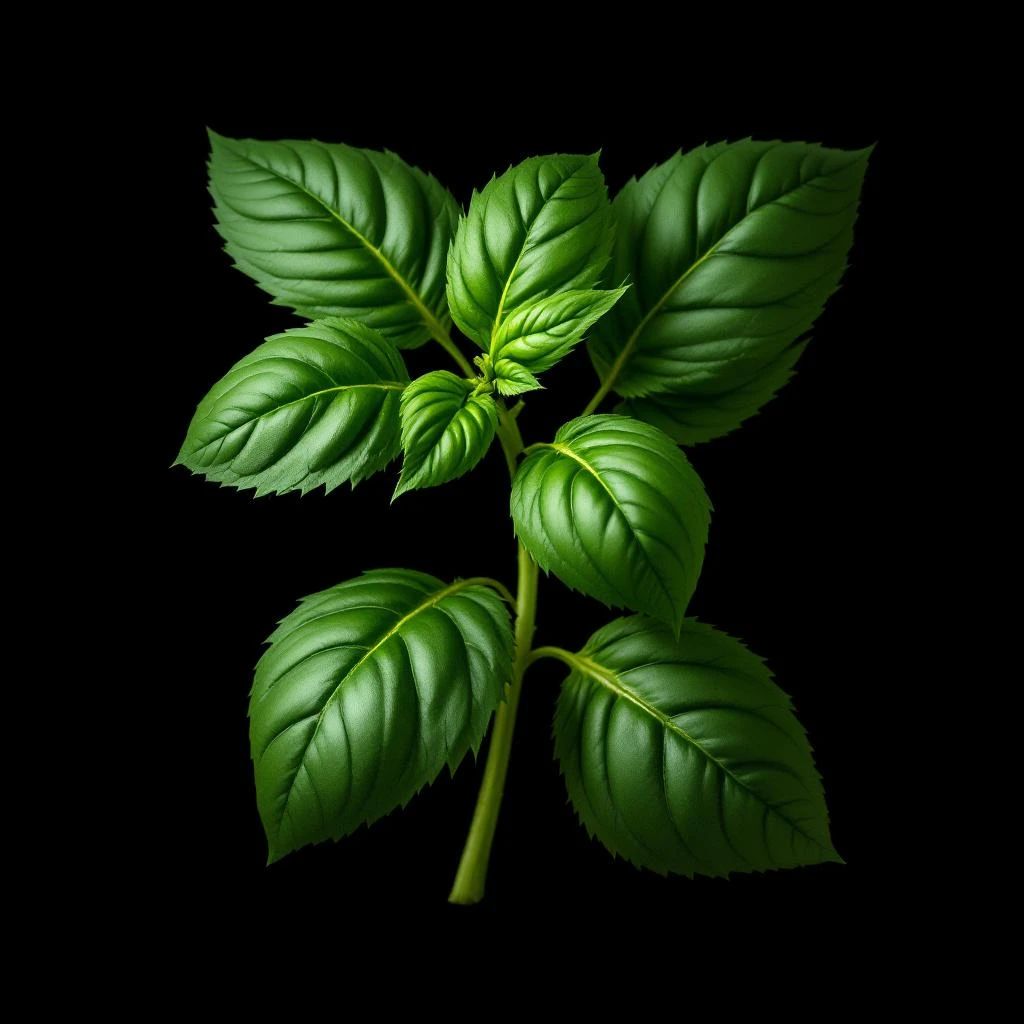
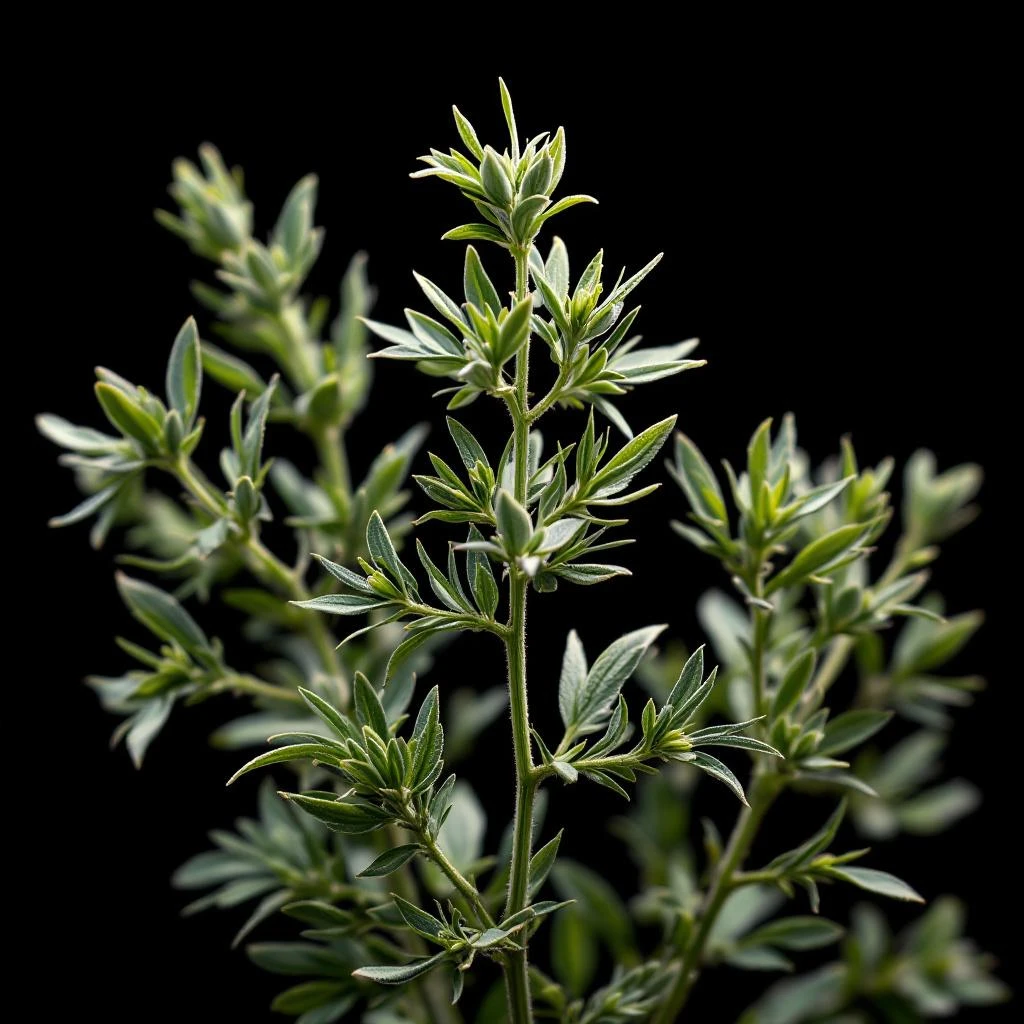
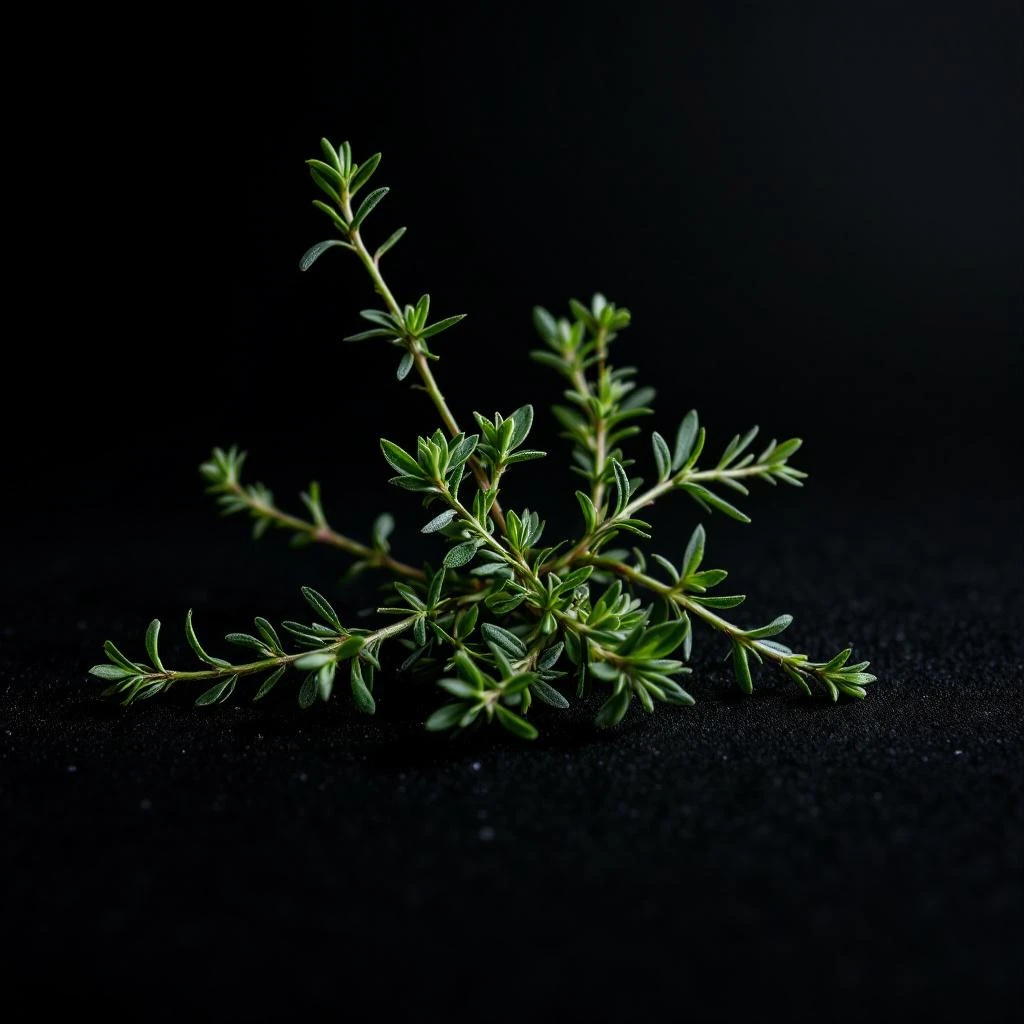
Desert Sage (Artemisia tridentata) is a wild-harvested botanical from the American West, delivering sharp camphor and tingly pine notes that conjure open skies and rugged terrain.
Character
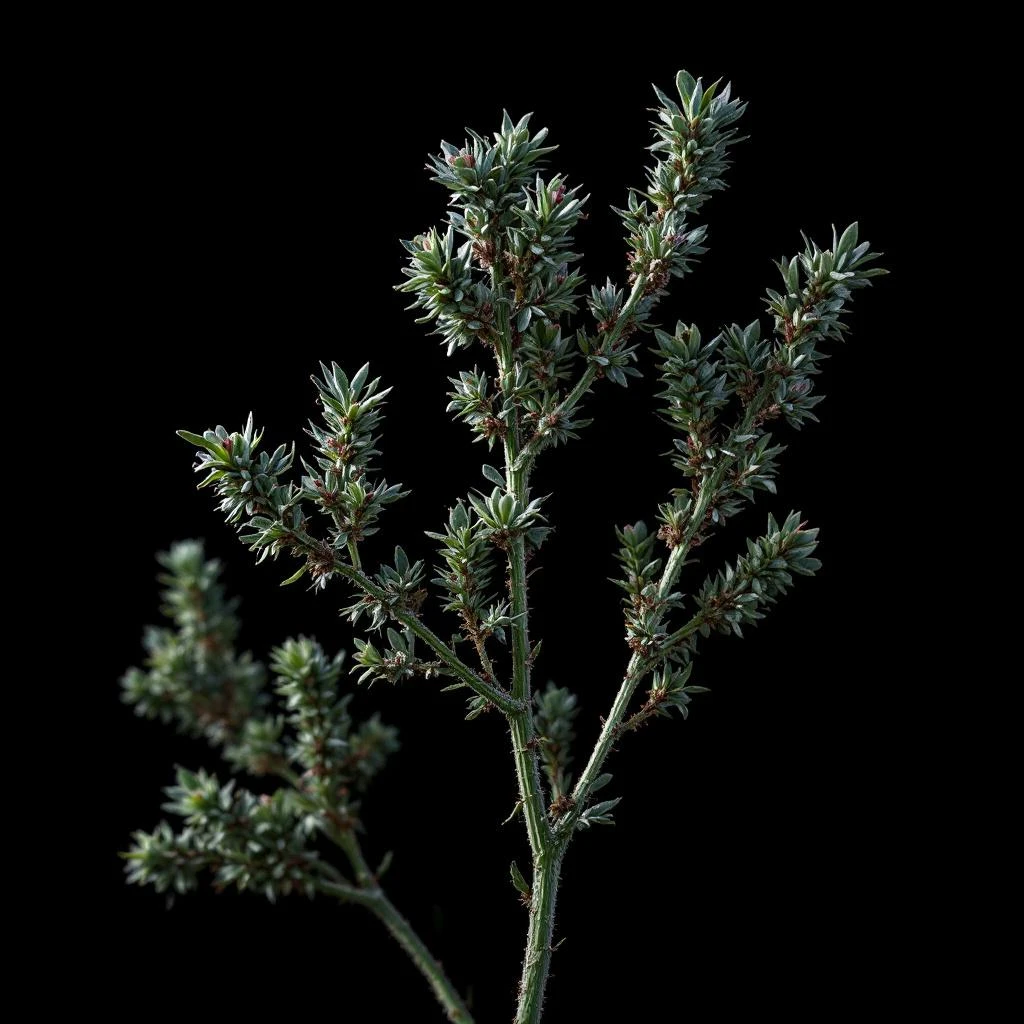
How it smells
The untamed scent of the high desert.
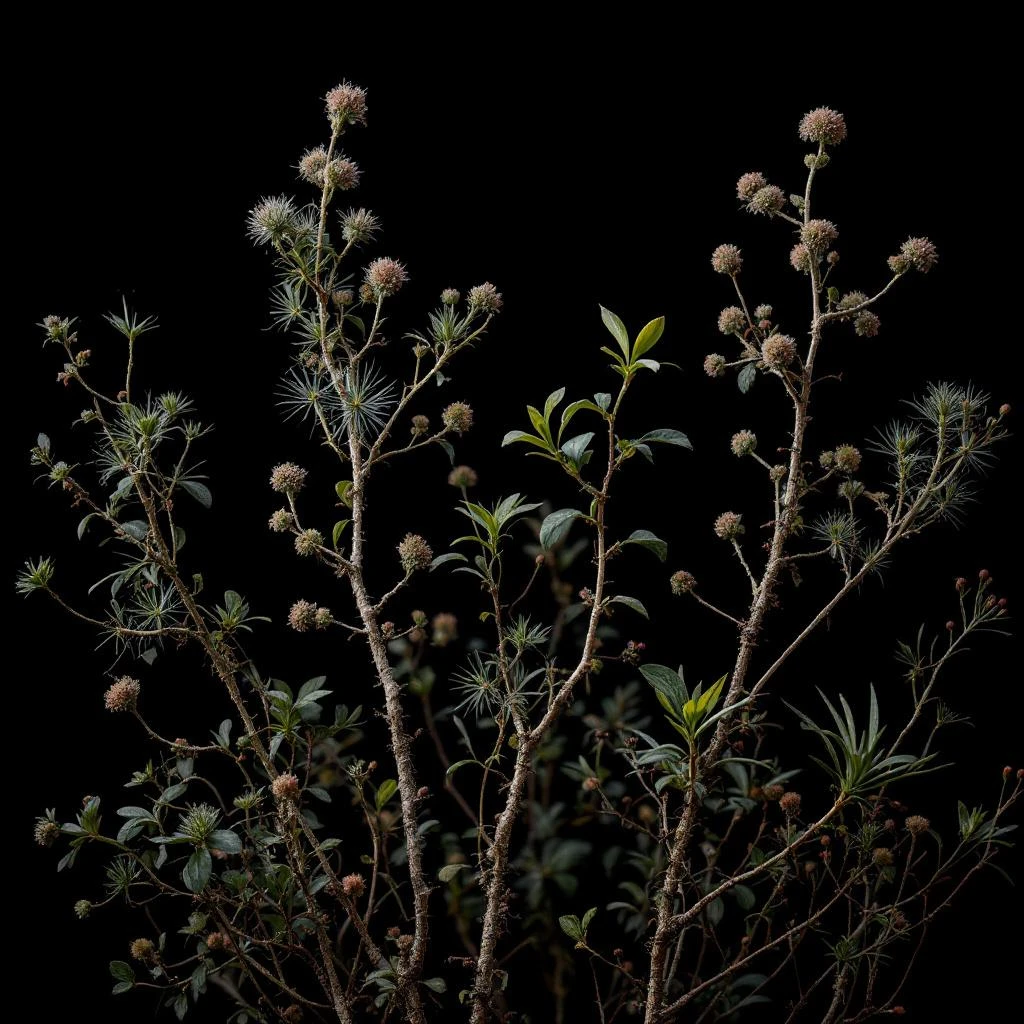
Artemisia tridentata covers over 150 million acres across the Great Basin, making it one of North America's most abundant native shrubs.



Origin
United States
Indigenous communities across the American West used Desert Sage in purification rituals and traditional medicine for centuries before it appeared in perfumery. The plant's sharp, cleansing aroma made it a natural fit for ceremonial smudging and spiritual practice.
By comparison, Common Sage (Salvia officinalis) traces a different path—it appears in Hungary Water (circa 1370), one of Europe's first alcohol-based perfumes, alongside rosemary. Desert Sage occupies a distinct botanical niche (Artemisia vs.
Salvia), though both share that camphoraceous, medicinal directness that perfumers find either essential or overwhelming depending on dosage. Modern fragrance creators increasingly source Desert Sage specifically for its wild, open-country character—a sensory translation of the high desert landscape rather than the herb garden.
Wears it best
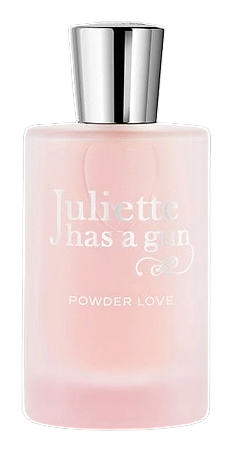
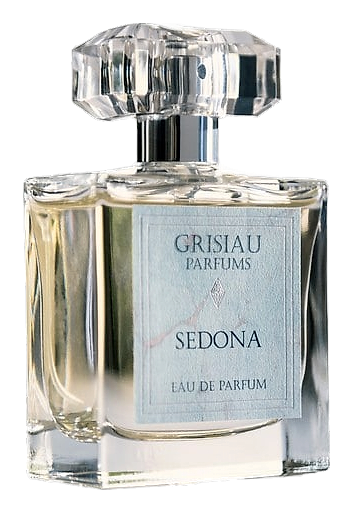
Fragrances featuring Desert Sage


Brands
Brands known for Desert Sage
Good to know
Questions, answered
The essentials on Desert Sage in perfumery: how it smells, where it comes from, and how it behaves on skin.
What distinguishes Desert Sage from Common Sage in perfumery?
Desert Sage (Artemisia tridentata) is botanically distinct from Common Sage (Salvia officinalis) and delivers sharper camphor with less herbal sweetness. It also carries a distinctive pine-like tingle absent in culinary sage.
How does Desert Sage smell?
The scent opens with crisp camphor, followed by tingly pine and a subtle green earthiness. It's sharp, clean, and evokes open, arid landscapes.
What type of fragrances use Desert Sage?
Desert Sage works in aromatic, fougère, and chypre compositions. It pairs well with citrus, conifer, and dry wood notes, typically appearing as a top or heart note.
Is Desert Sage sustainably sourced?
Most commercial supply comes from wildcrafting in the Western United States, particularly Utah, Nevada, and Wyoming, where Artemisia tridentata grows abundantly across Great Basin rangeland.
How much Desert Sage is typically used in a fragrance?
Maximum fragrance concentrate usage is around 4.0%, though IFRA limits thujone content to 0.5% in fine fragrance, which constrains practical usage further. Above 3%, sage becomes medicinally harsh.
When should perfumers harvest Desert Sage?
Optimal harvest occurs in summer months when essential oil concentration in the leaves peaks. Fresh material processes within days of harvest to preserve volatile compounds.
Can Desert Sage be blended with other aromatics?
Yes. It combines effectively with bergamot, juniper, cedar, vetiver, and other woody or citrus materials. The combination amplifies its outdoor, expansive character.
What makes Desert Sage a unique fragrance ingredient?
It offers an aromatic profile impossible to synthesize cleanly—sharp, slightly medicinal, and distinctly Western American. The natural variability from wildcrafted batches also gives it terroir that cultivated ingredients lack.