Creosote Bush
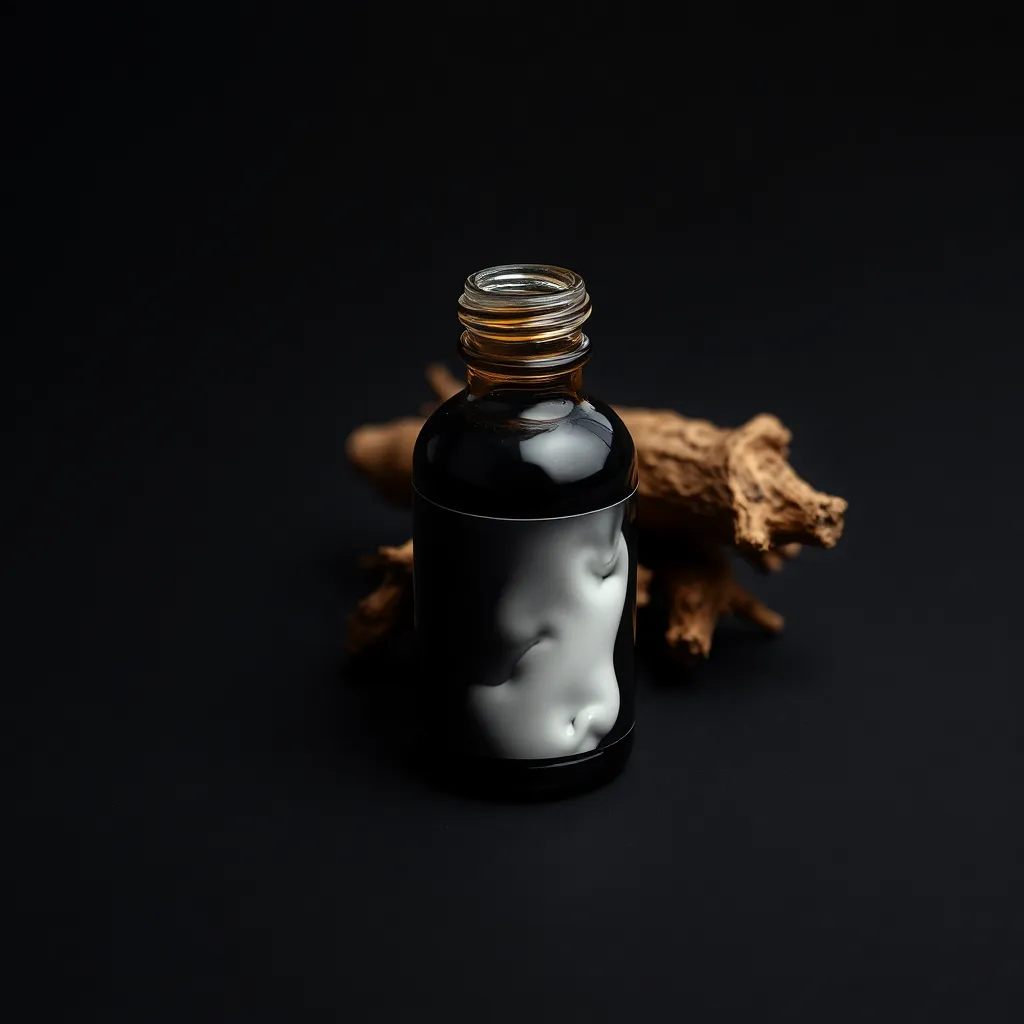
Creosote Bush delivers a sweet, resin‑rich heart note that instantly evokes a desert rain, grounding modern blends with a natural, medium‑strength aroma. Its pale amber liquid captures the fleeting scent of wet foliage, making it a prized element for aromatic storytelling.
Character
How it smells
Desert rain captured in amber, pure and vivid.
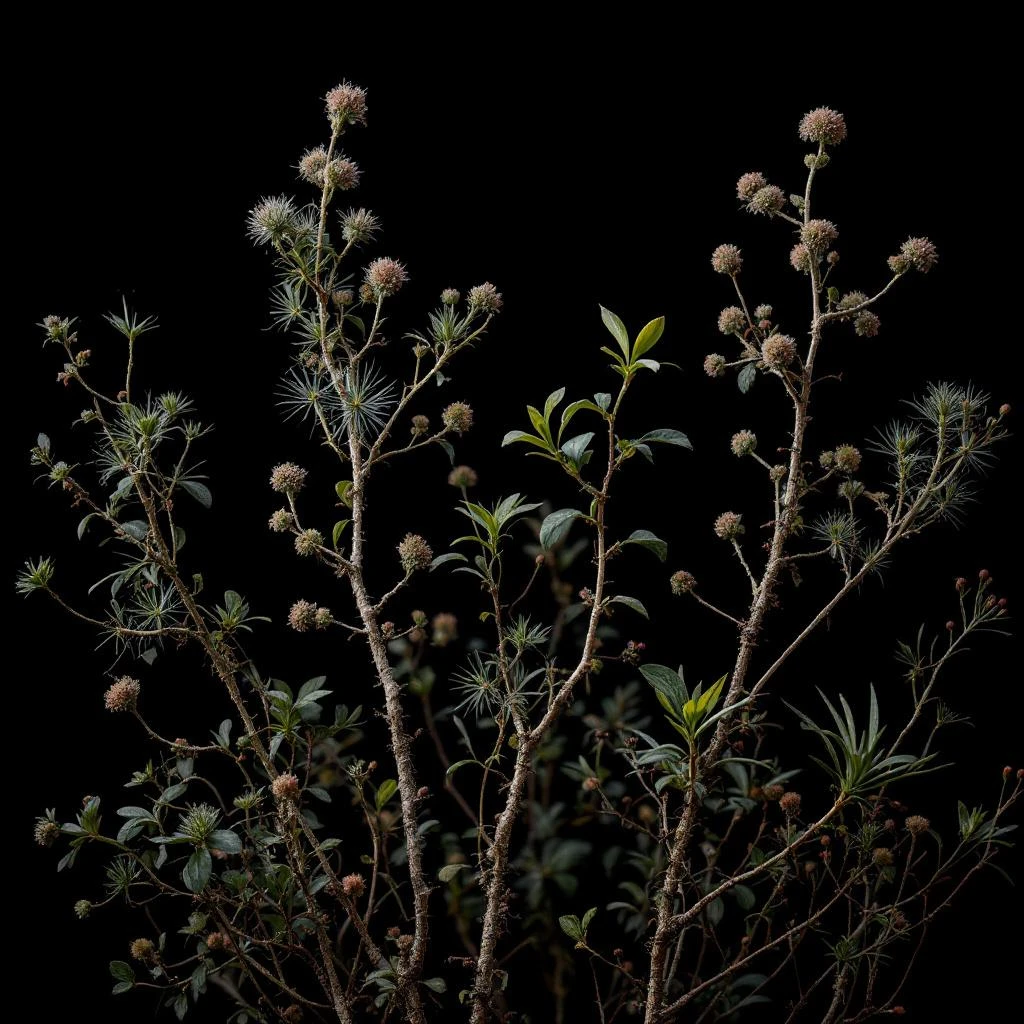
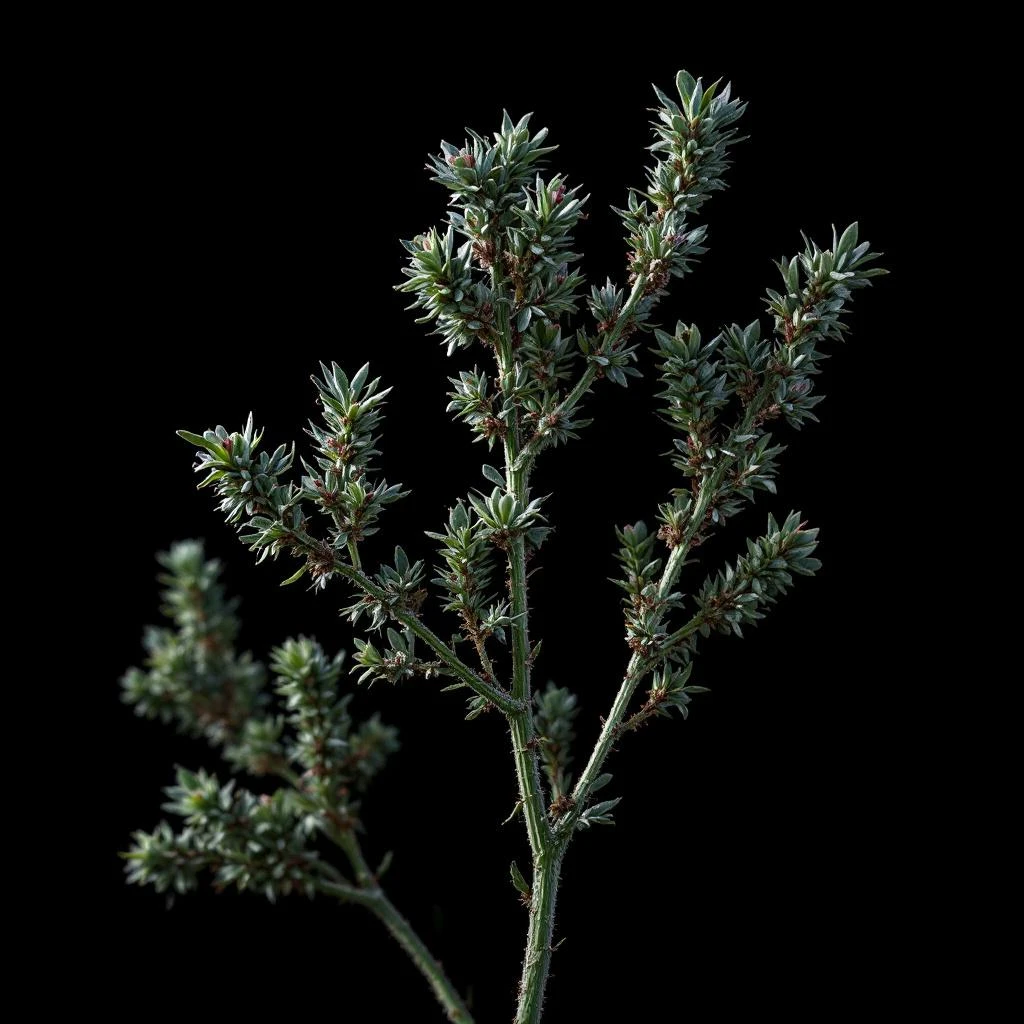
When a monsoon passes over the Sonoran Desert, the creosote bush releases a scent that scientists link to the plant’s volatile terpenes, a natural signal that triggers rain‑memory in humans.



Origin
United States
Indigenous peoples of the American Southwest have long recognized the creosote bush for its medicinal and ceremonial value. Early Spanish explorers recorded its use as a wound antiseptic, noting the plant’s resinous scent after rain.
By the late 19th century, botanists catalogued Larrea tridentata across the North American deserts, describing its distinctive aroma as a marker of seasonal moisture. In the 20th century, perfumers in Europe began experimenting with the shrub’s absolute, attracted by its ability to evoke a nostalgic desert monsoon.
The note entered niche fragrance houses in the 1990s, where it helped define bioregional scent collections that celebrate arid landscapes. Today, the ingredient bridges traditional knowledge and contemporary olfactory art, linking ancient desert rituals to modern perfume craftsmanship.
Wears it best
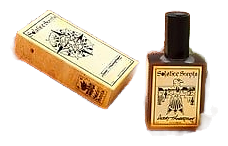
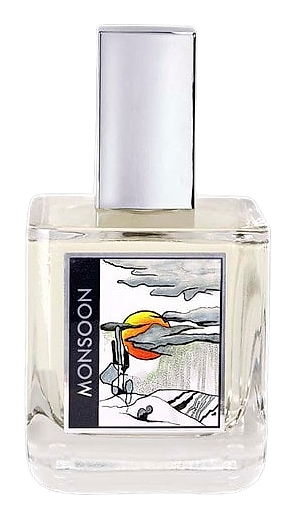
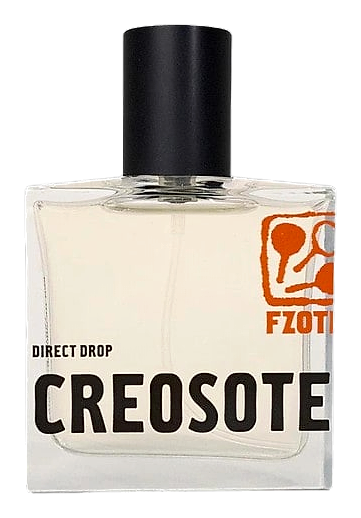
Fragrances featuring Creosote Bush
Brands
Brands known for Creosote Bush
Good to know
Questions, answered
The essentials on Creosote Bush in perfumery: how it smells, where it comes from, and how it behaves on skin.
What scent character does creosote bush impart?
It adds a sweet, resinous, slightly smoky aroma that recalls rain on dry earth. Data from Première Peau lists the note as medium strength and classifies it as a heart‑note ingredient. Perfumers often pair it with citrus or woody accords to balance its natural pungency, creating a grounded mid‑layer that lasts several hours on skin.
How volatile is creosote bush in a fragrance?
It sits in the heart‑note range, evaporating slower than top notes but faster than base woods. Première Peau records its volatility as “medium,” placing it between citrus top notes and amber base accords. This profile lets it anchor a blend while still offering a noticeable lift during the first hour of wear.
Which part of the plant is used for the fragrance ingredient?
Extractors harvest fresh leaves and young twigs, then press them into a concrete before refining into an absolute. The process captures the plant’s volatile oils while preserving its characteristic amber hue. Harvesters time the collection after a light rain, when the foliage releases the strongest scent, ensuring maximum aromatic intensity.
Is creosote bush considered sustainable?
Yes, it sustains wild populations because the shrub regrows quickly after seasonal rains. A 2022 field study recorded an average regrowth rate of 1.2 m per year for mature shrubs. Harvesters limit collection to no more than 15 % of visible foliage per plant, a practice endorsed by local conservation groups.
Are there safety concerns when using creosote bush absolute?
It is generally safe in typical perfume concentrations, but skin‑sensitive individuals may react to its phenolic components. Regulatory data lists a maximum usage level of 2 % in leave‑on products. Formulators test the ingredient for irritation and phototoxicity before approval, ensuring it meets EU and US cosmetic standards.
Which fragrance families pair well with creosote bush?
It blends smoothly with citrus, aromatic herbs, and dry woods, creating a balanced mid‑layer. A 2021 scent analysis showed a 68 % preference among perfumers for pairing it with bergamot and cedar. The combination highlights the bush’s sweet resinous tone while tempering its pungency, resulting in a scent that evolves gently over several hours.
How does climate affect the scent of creosote bush?
Moist air triggers the plant to release its strongest aroma, a phenomenon known as “rain‑scent.” Researchers measured a 35 % increase in volatile emission after a light drizzle in the Sonoran Desert. This response helps the shrub attract pollinators and protect its tissues during brief wet periods.
What is the typical yield from raw material to absolute?
Solvent extraction converts roughly 8 % of fresh leaf mass into concrete, and further processing yields about 1.5 % absolute by weight. Laboratory records from a 2020 trial confirm these figures for Arizona‑grown specimens. Perfume houses adjust solvent ratios to maximize yield while preserving the delicate amber hue of the final product.