
The Story
Why it exists.
The beginning
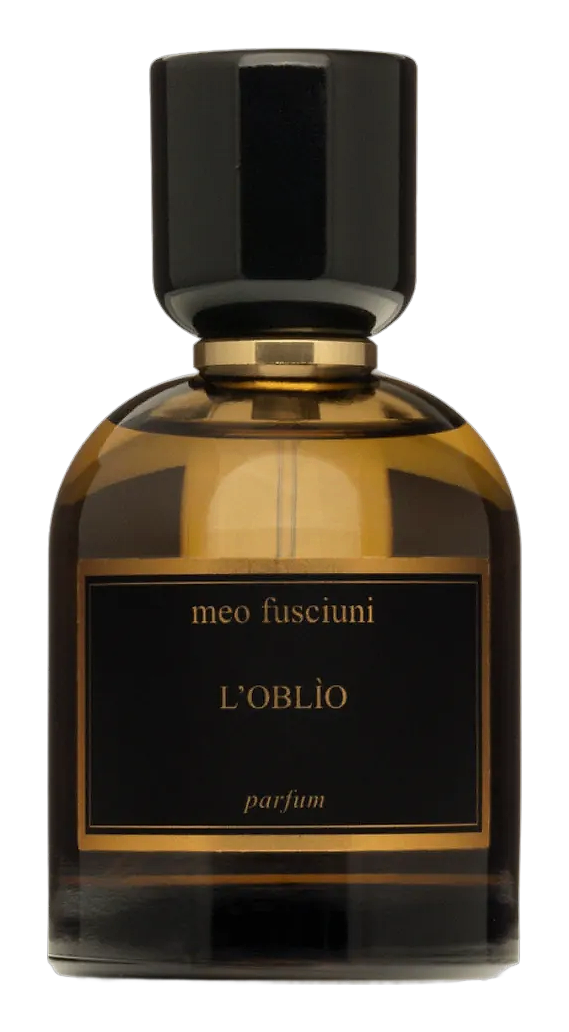
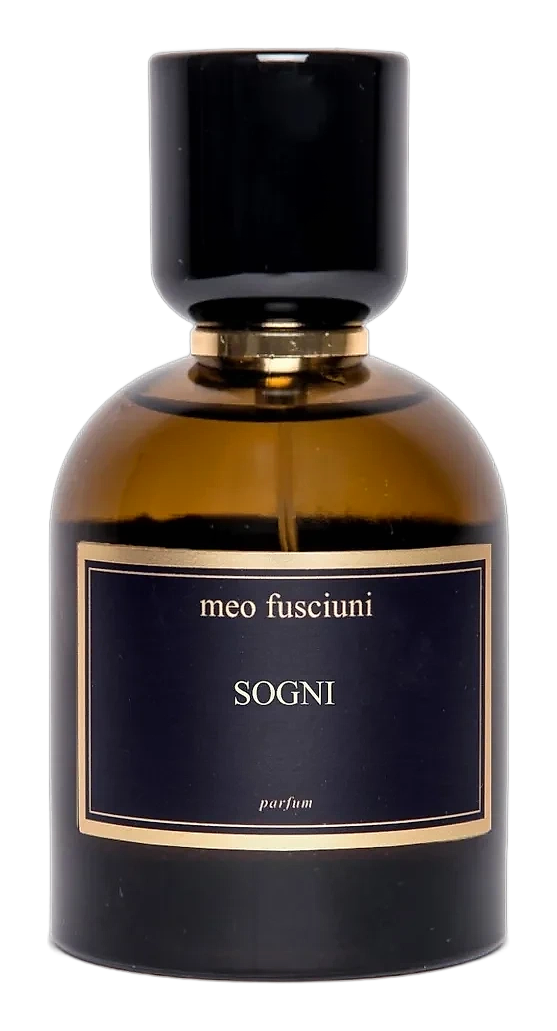
Sogni came from a journey. Meo Fusciuni's Giuseppe Imprezzabile traveled to Japan and found something in the silence between temple gardens and tea houses, a stillness that smelled like tatami, like pine needles on warm stone, like the exhale after a long breath. He dedicated the fragrance to Makoto Horisaki, and in doing so, wrote a love letter to a place that exists in equal parts in geography and imagination. The name means dreams in Italian, and the fragrance is exactly that: a remembered Japan, not the real one, but the one that settles in the body after the plane lands and the jet lag fades. This isn't tourism. It's translation.
What makes Sogni unusual is how it builds its Japanese character without leaning on cherry blossom sweetness or green tea cliché. Instead, Imprezzabile reached for materials that carry the country's texture: the papery warmth of tatami mats, the mineral edge of bamboo, the sharp green of pine needles. These are not romantic notes, they're honest ones. The hojicha (roasted Japanese green tea) in the base is the quietest genius: it adds a nutty, slightly smoky warmth that rounds out woods that could otherwise feel austere. Rice absolute itself is rare in Western perfumery, but here it acts as a skin-like bridge, something that makes the whole composition feel close, worn, intimate rather than theatrical.
The evolution
The opening is immediate and specific: rice dust and bamboo, the smell of a tatami room warmed by afternoon sun. There's no delay, no waiting for the fragrance to arrive, it opens fully formed, green and clean and a little austere. Within twenty minutes, the peony softens the green edges, adding a floral breath that keeps the composition from feeling too spare. The incense arrives quietly, not as smoke but as warmth, a presence rather than a statement. Then the cedars and sandalwoods take over, and the fragrance becomes something slower, deeper, warmer. This is where Sogni earns its eight to ten hours. The drydown on skin is sandalwood and musk, close and skin-like, with just enough vetiver to keep it grounded. On fabric, it lingers longer, you'll find it in a scarf the next morning, quieter but still present, like a memory that refuses to fully fade.
Cultural impact
Sogni sits in a specific corner of niche perfumery: the Japan-obsessed, botanically literate, emotionally honest corner. Wearers describe it as the scent of someone who walks into a room and doesn't need to announce themselves. It has found a following among people who want depth without drama, who appreciate that a fragrance can be a long conversation rather than a loud entrance. The rice and hojicha notes are unusual enough to generate discussion among fragrance enthusiasts, while the overall composition reads as wearable rather than challenging. That balance, specific enough to be interesting, accessible enough to wear daily, is harder to achieve than it sounds.