Tatami
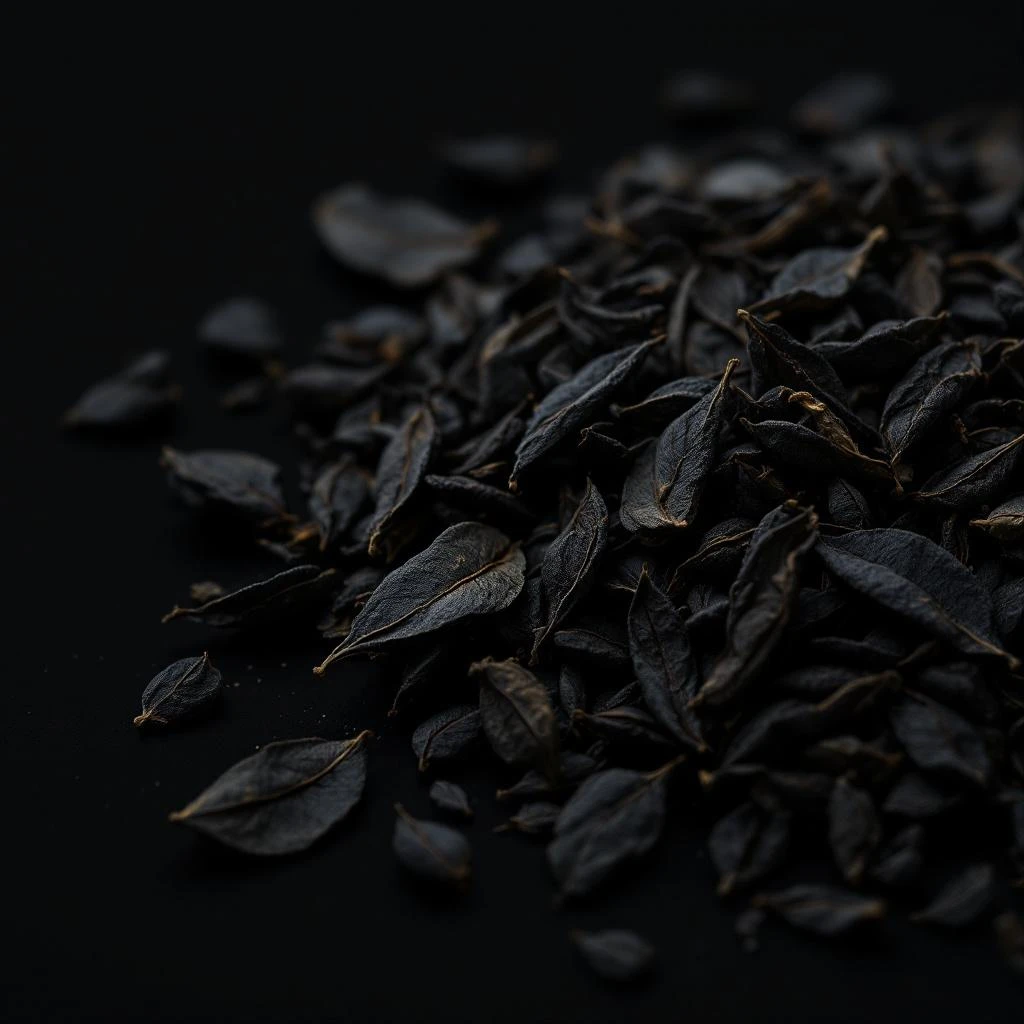
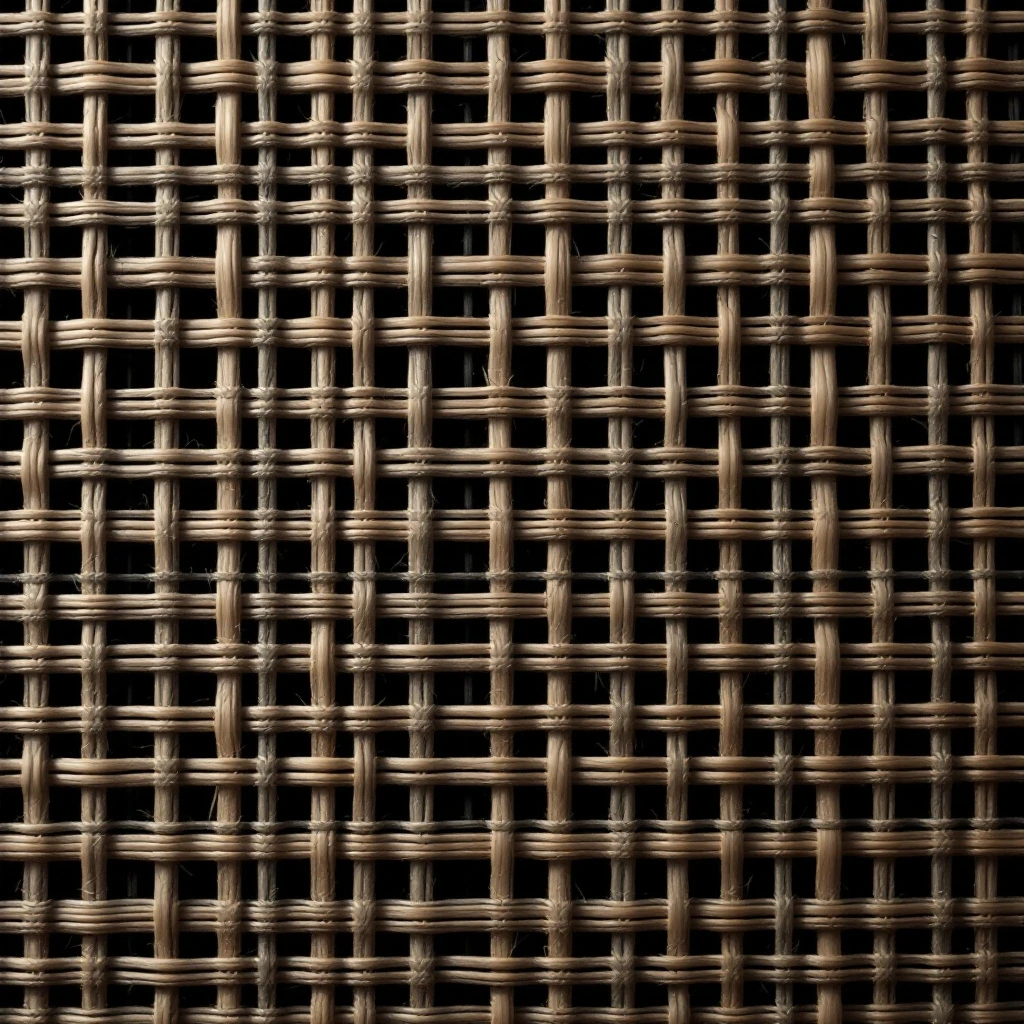
Tatami captures the quiet ritual of a Japanese home—the green, grassy scent of fresh straw interwoven with warm, dry woodiness. A modern fantasy accord, it evokes sunlight falling on woven mats.
Character
How it smells
The green whisper of Japanese woven straw.
True tatami mats are made from igusa (Japanese rush grass), which emits a faint, pleasant fragrance when walked upon.




Origin
Japan
Tatami mats originated in Japan during the Heian period (794-1185), initially used only by nobility. By the Edo period (1603-1868), they became standard flooring in nearly all Japanese homes.
The word itself derives from the verb tatamu, meaning to fold or pile, referencing how early mats were stored. Traditional mats consist of igusa (Japanese rush grass) woven over a base of rice straw, bordered with cloth.
In Japanese culture, walking barefoot on tatami was a daily sensory experience, and the scent became synonymous with home, ceremony, and contemplation. When perfumers adopted this note, they sought to bottle not just a smell but an entire philosophy of living.
Wears it best
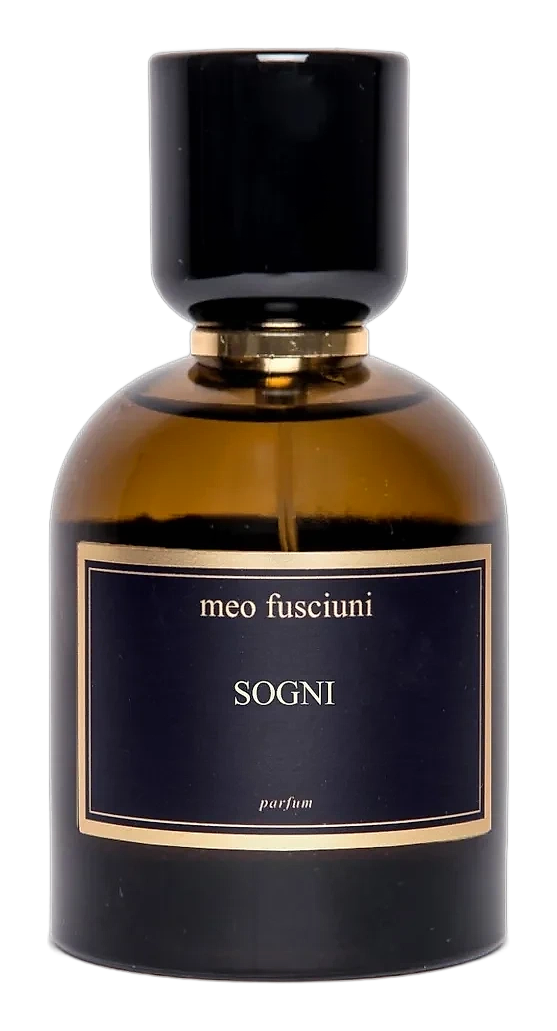
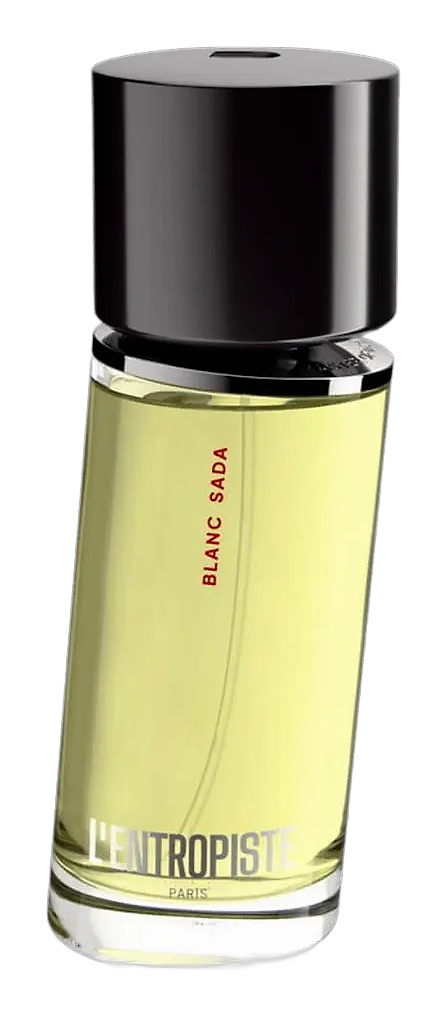
Fragrances featuring Tatami
Brands
Brands known for Tatami
Good to know
Questions, answered
The essentials on Tatami in perfumery: how it smells, where it comes from, and how it behaves on skin.
What does the Tatami note smell like?
Tatami smells like freshly woven straw with grassy, slightly sweet top notes and warm, dry woodiness underneath. The accord evokes a sun-warmed Japanese room with natural materials. Most people describe it as clean, contemplative, and distinctly natural.
Is Tatami a natural or synthetic ingredient?
Tatami is a fantasy accord, not a single extracted material. Perfumers blend hay absolute, rice straw absolute, and related materials to recreate the scent of traditional Japanese woven mats. The note requires artistry rather than extraction.
What other fragrance notes pair well with Tatami?
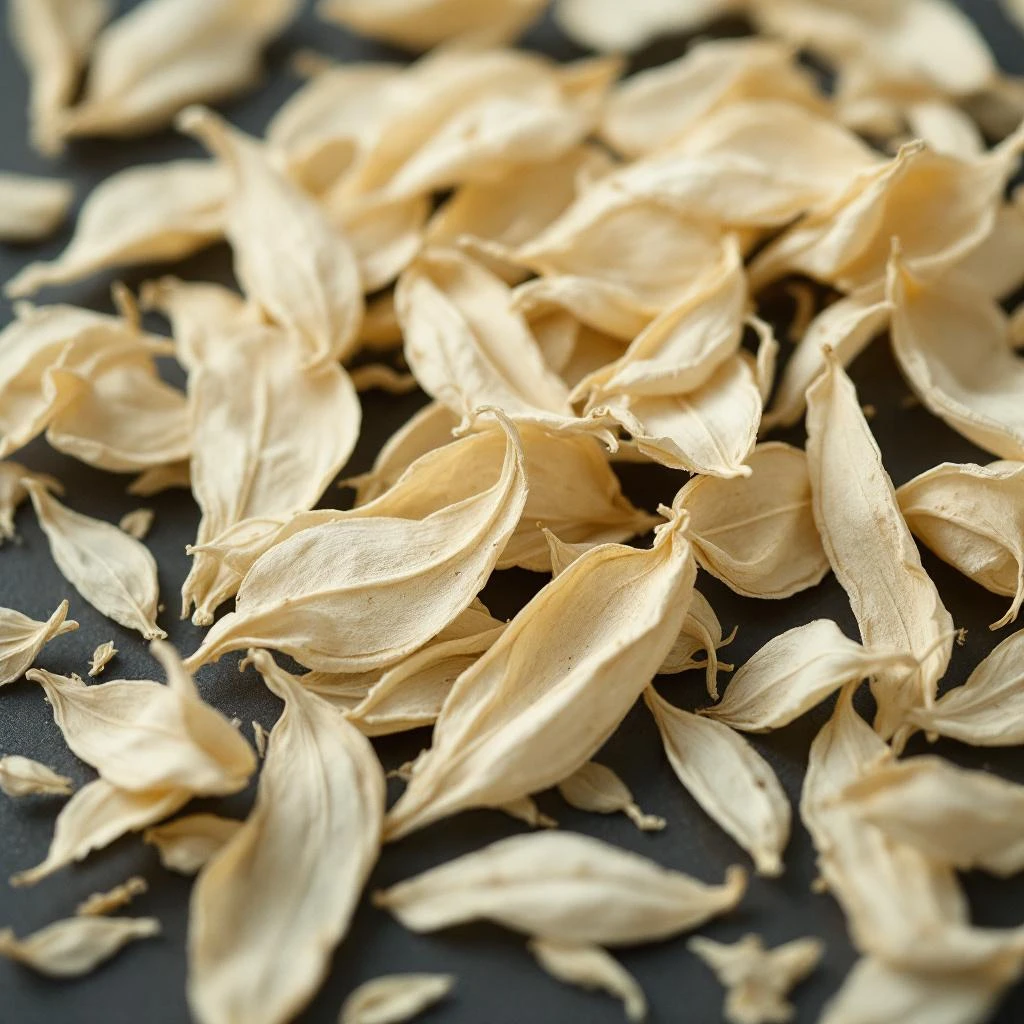
Tatami pairs naturally with green tea, rice, bamboo, and rice flower notes. Woody companions like hinoki cypress, cedar, and sandalwood enhance its warmth. Light florals such as cherry blossom can soften it for a contemporary effect.
Where does the Tatami note originate?
The note draws from Japanese tatami mats, which originate from the Heian period (794-1185). These woven straw mats were once reserved for nobility before becoming universal in Japanese homes by the Edo period.
How is the Tatami accord created by perfumers?
Perfumers layer multiple natural absolutes to build the Tatami accord. Hay absolute provides grassy top notes, rice straw absolute adds dry, woody character, and green tea absolute contributes fresh, slightly astringent undertones. The proportions vary by perfumer.
Which famous fragrances feature the Tatami note?
Tatami appears in several niche fragrances, particularly those with an East-meets-West aesthetic. It commonly surfaces in Woody Aromatic and Oriental Floral compositions designed to evoke Japanese minimalism.
Does Tatami have any cultural significance in perfumery?
Tatami carries cultural weight beyond its aroma. It represents Japanese concepts of ma (negative space) and wabi-sabi (finding beauty in imperfection). In perfumery, it signals a fragrance with contemplative, understated elegance.
How long does the Tatami note typically last on skin?
The Tatami accord generally lasts 4-6 hours as a heart note. Its grassy components tend to project softly, making it more of a skin scent than a room-filler. The woody undertones in the drydown persist longer.