The Story
Why it exists.
The beginning
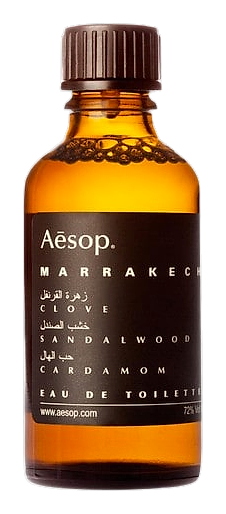
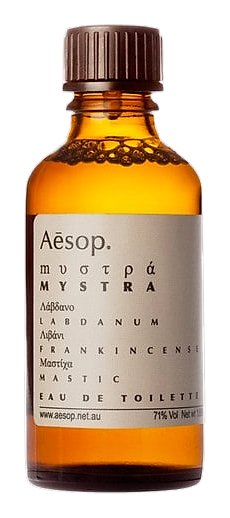
Mystra takes its name from the Byzantine city in the Peloponnese, a place of empires, councils, and centuries of layered history. Aesop drew from that weight, that accumulation. The fragrance translates conquest and candlelight into resin and smoke. Labdanum, frankincense, mastic: materials that have burned in Mediterranean rituals for millennia, now held close to skin. This is antiquity without nostalgia.
What makes the composition unusual is the labdanum. It's balsamic, honeyed, almost sticky in its warmth, and here it doesn't compete with florals or fruits. It sits alongside frankincense and mastic, two resins that lean green and dry rather than sweet. The result is incense that doesn't simply smoke. It hums. Astringent, then warm, then close. The fragrance moves through phases the way a place accumulates meaning: slowly, in layers.
The evolution
The opening is smoke first, austere, cool, like incense in an empty room. Within minutes, the labdanum softens it. Warmth arrives without sweetness. The frankincense keeps its distance, a supporting column rather than a statement. Three hours in, the mastic surfaces, adding a faint green quality that lifts the whole composition. Then it settles into skin. Close. Warm. Resinous without being heavy. On fabric, it ghosts for hours, present the next morning like a memory rather than a statement. Longevity earns consistent praise from wearers who describe it as reliable through an evening. The sillage stays moderate throughout, intimate rather than announced.
Cultural impact
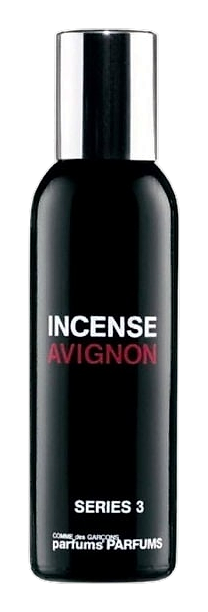
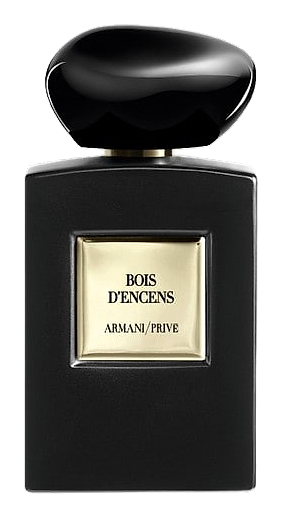
Mystra occupies a specific corner of the incense genre, less meditative than Avignon, less opulent than Ambre Sultan, more resinous than Bois d'Encens. Wearers describe it as the scent of someone who walks into a room and doesn't need to announce themselves. It appeals to those who want fragrance to feel ancient rather than modern, contemplative rather than performative.