

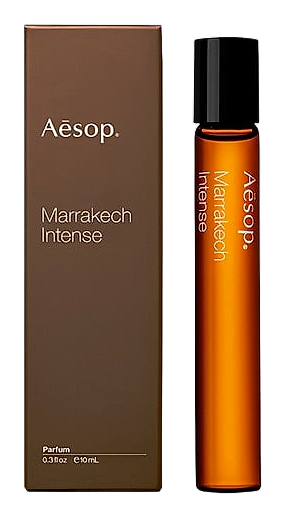
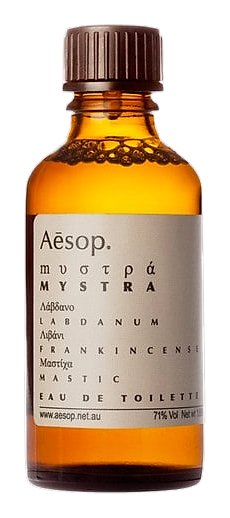
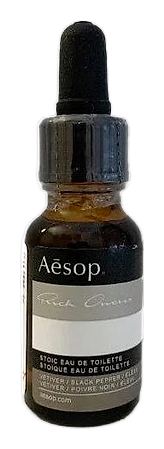
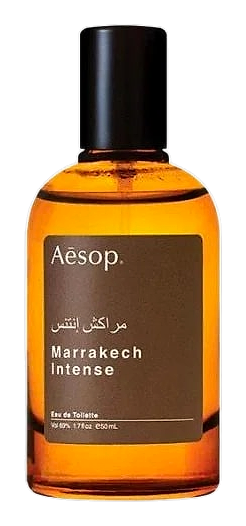
Heritage
A house, in its own words
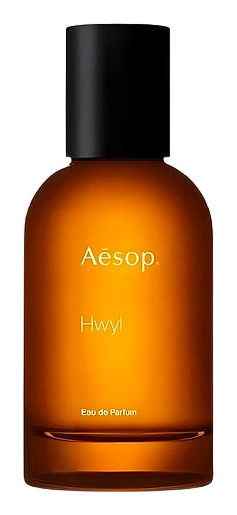
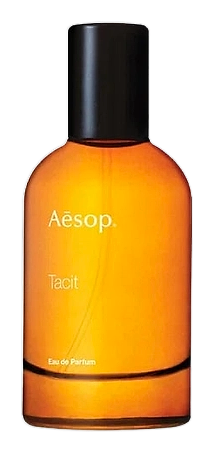
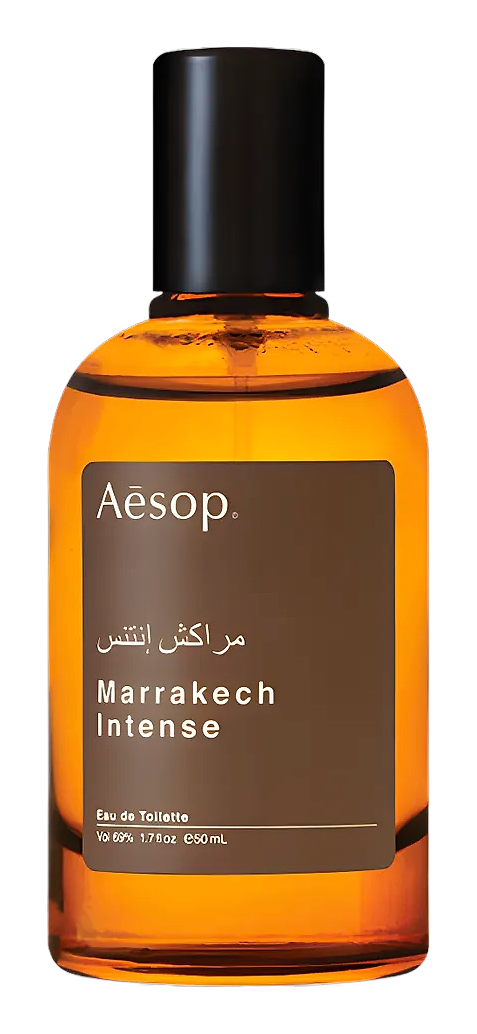
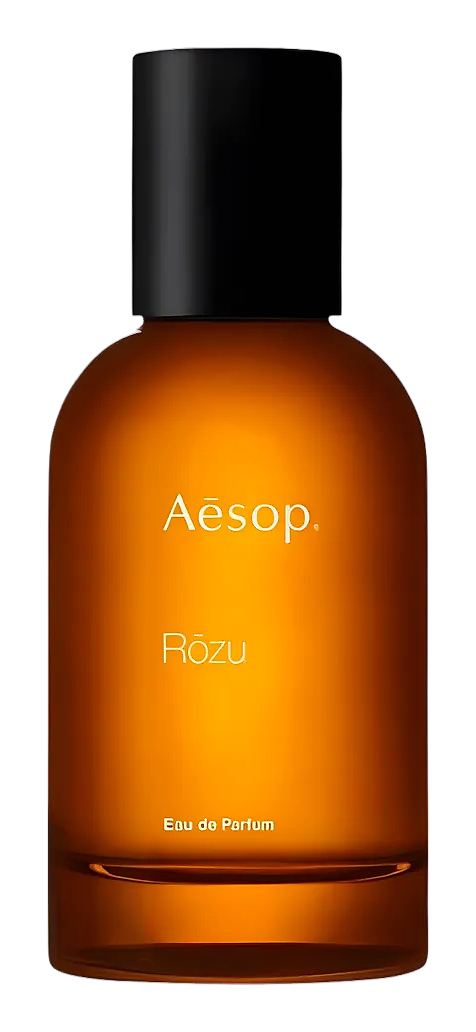
The Aesop story begins in Armadale, Melbourne, in 1987, when Dennis Paphitis, a hairdresser of Greek heritage, grew frustrated with the chemical-laden products available at the time. At his salon, Emeis, he began incorporating essential oils into hair treatments, creating formulations that clients requested by name. The success of these experiments prompted expansion into skincare, with Paphitis partnering with a chemistry lab to develop products that balanced natural ingredients with scientific rigour. The rebranding to Aesop came a few years later, prompted by a name conflict with another business. The choice of Aesop, the ancient Greek fabulist, was deliberate and wry: it signalled the brand's scepticism toward the hyperbolic promises that dominated the cosmetics industry. After debuting with just four products, the range grew steadily. The first dedicated Aesop store opened in 2003 in St Kilda, Melbourne, tucked into a narrow underground space that had once served as a car park ramp. This setting set the template for the brand's retail philosophy: adapt to what exists, work with the grain of a place rather than against it. By 2012, Aesop had grown enough to attract Natura & Co, which acquired a majority stake for approximately $71 million. Natura took full ownership by 2016. Paphitis stayed on as an advisor. The following years brought international expansion, new fragrance releases, and homeware products. In 2023, L'Oréal completed its acquisition of Aesop for around $3.7 billion. Today the brand operates nearly 400 stores across 27 countries, offering skincare, body, haircare, fragrance, and home products, all guided by the original ethos of thoughtful formulation and considered design. Aesop has always moved at its own pace. The brand has never advertised, never offered discounts, and never followed fragrance industry conventions in how it presents or sells its products. This is not a strategy so much as a temperament, rooted in the belief that quality and restraint speak louder than marketing. Central to the Aesop approach is the idea that fragrance is not an accessory but an extension of the self. The brand draws on literature, architecture, and philosophy for inspiration rather than seasonal trend cycles. Scents are named after places, astronomical figures, or concepts rather than emotions or demographics. The choice of references is specific and deliberate, designed to intrigue rather than reassure. Sustainability and ethical sourcing are treated as foundational commitments rather than selling points. The brand achieved B Corp certification in 2020 and was re-certified in 2024, recognising its performance across social and environmental dimensions. Aesop investigates widely to source ingredients, plant-based and laboratory-made, using only those with a proven record of safety and efficacy. The philosophy extends to how stores are situated: Aesop seeks to add something of merit to a street, to work with what is already present, rather than impose a uniform presence. What makes the brand distinctive is this refusal to separate product from world. A bottle of fragrance arrives within a context: an architectural space, a carefully written description, a consultant who will talk you through the range without urgency. The purchase is an experience, not a transaction.