Barnabé Fillion
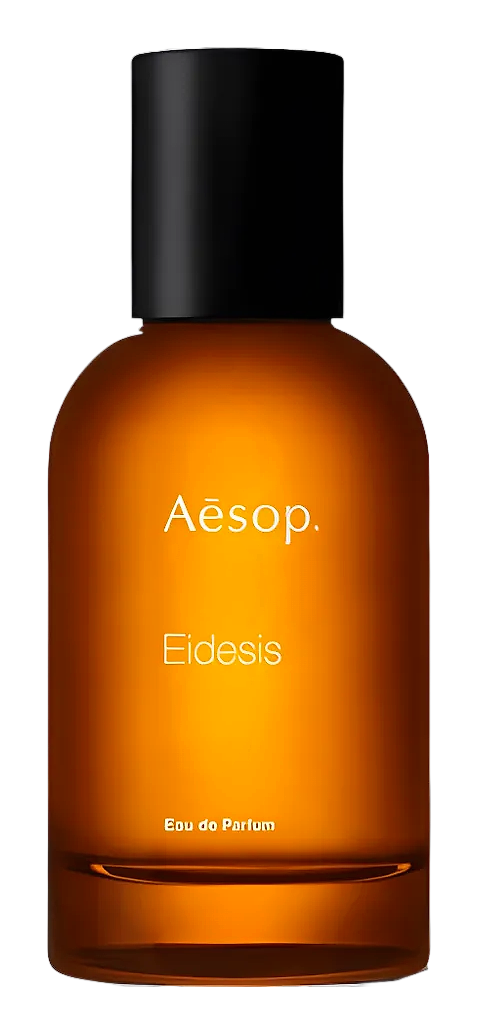
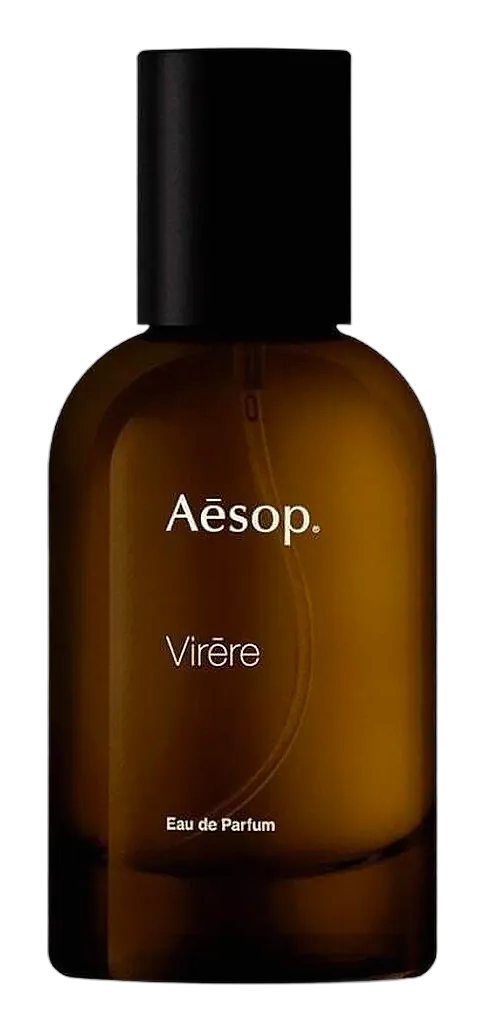
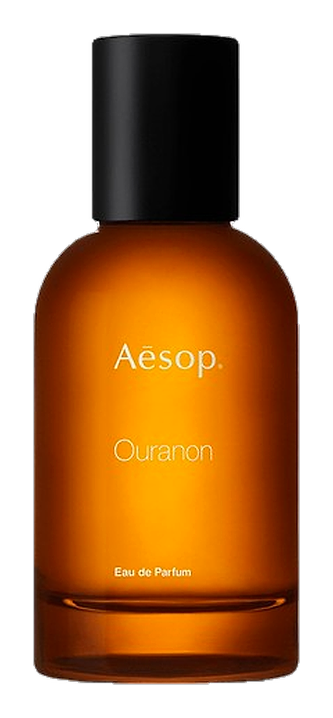
Barnabé Fillion left school at sixteen and spent his teenage years in front of the camera, first as a model and then as an assistant to a photographer. The visual world taught him how light, texture and composition shape perception. A chance encounter with a perfumer sparked a curiosity that led him to study botany and phytotherapy, then to experiment with essential oils in his tiny Paris studio. By 2015 he began consulting for niche houses, translating his photographic eye into scent. His first breakthrough arrived when Aesop invited him to craft a rose‑centric fragrance that quickly became a bestseller. In 2020 he launched Arpa Studios, a label that mirrors his belief that scent should vibrate like a hidden chord, inviting wearers to feel rather than merely smell. Today he balances collaborations with Aesop, Le Labo and Paul Smith while nurturing his own line, always searching for the moment where visual memory meets aromatic expression.
The hits
Notable creations
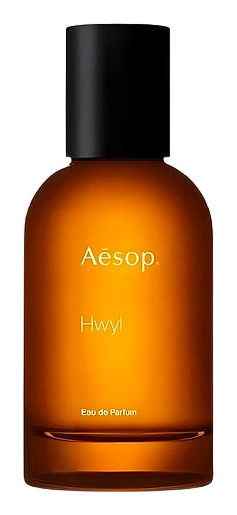
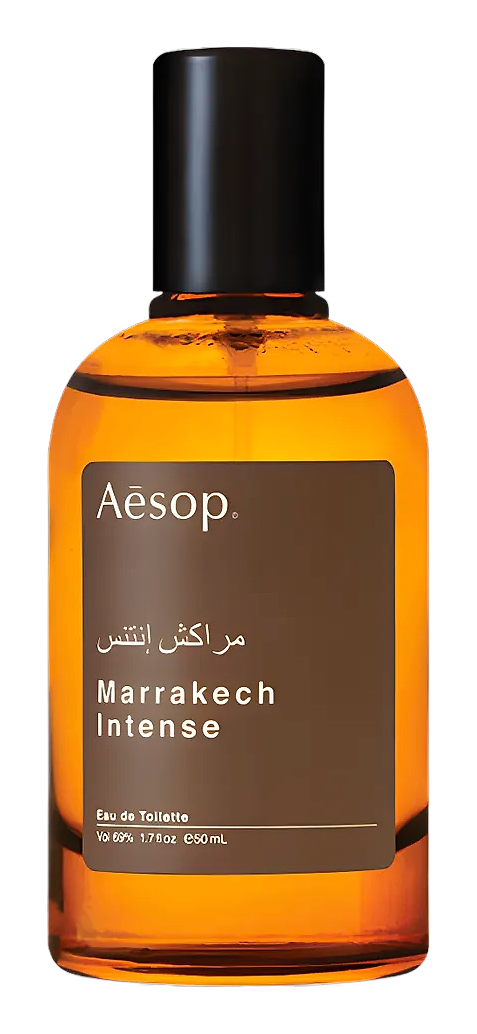
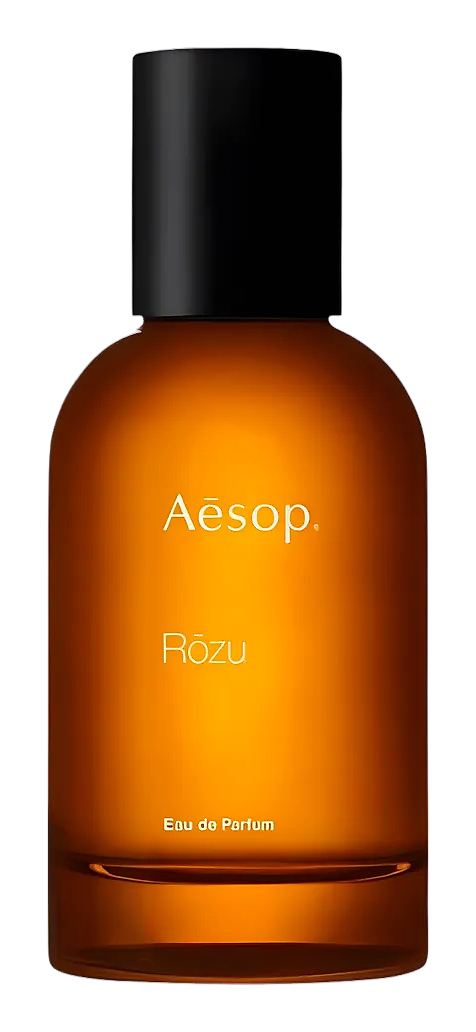
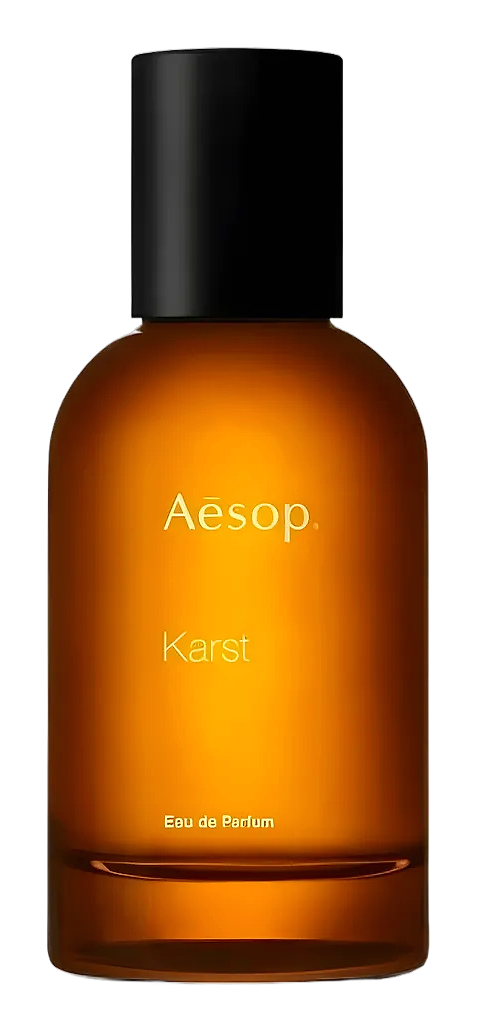

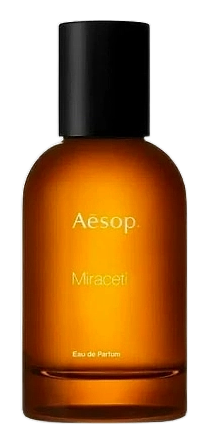
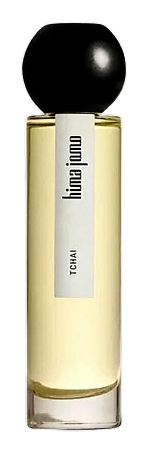
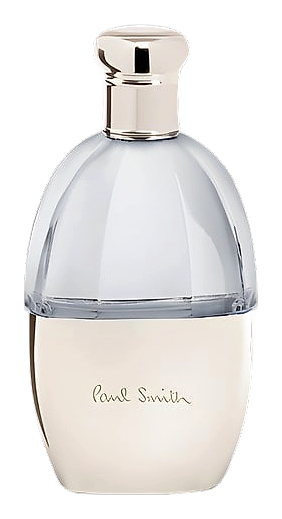
The signature
How Barnabé composes
Fillion favors natural extracts that retain their original character, often pairing a single flower with an unexpected mineral or resin. He builds his compositions layer by layer, allowing each note to settle before adding the next, a method he likens to developing a photograph in the darkroom. Common ingredients include Japanese rose, cedarwood, and wild thyme, blended with subtle hints of ambergris or smoked birch. He rarely relies on synthetic accords, choosing instead to highlight the purity of raw materials. His signatures are crisp openings that evolve into warm, lingering bases, creating a sense of continuity that mirrors the flow of light across a landscape.
Philosophy
What drives Barnabé
Fillion treats perfume as an extension of the senses, a way to capture a feeling that a photograph cannot hold. He believes that scent can translate the silence of a forest, the heat of a desert sunrise, or the quiet of a Japanese garden into a tangible experience. For him, each formula starts with a memory—a texture, a color, a sound—and he works backward to find the molecule that best embodies that impression. He avoids formal schools of thought, preferring instead to let curiosity dictate the path. The drive behind his work is the desire to make fragrance a language that speaks directly to the body, bypassing the intellect and reaching the subconscious.
The houses
Maisons Barnabé composes for
In the same league