
Heritage
A house, in its own words
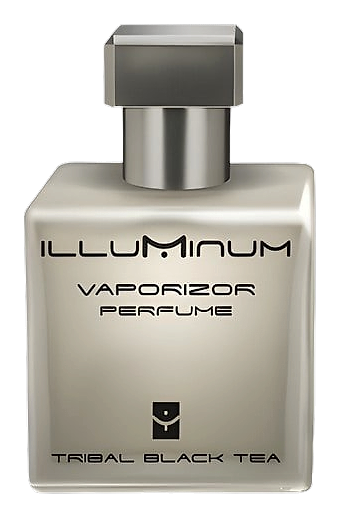
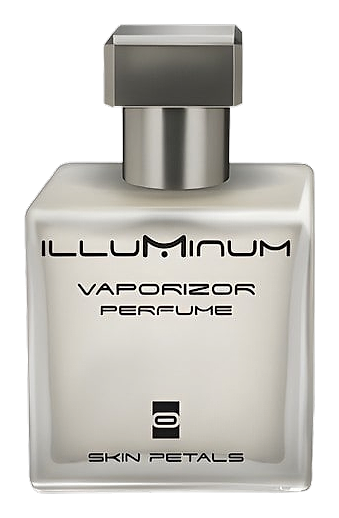
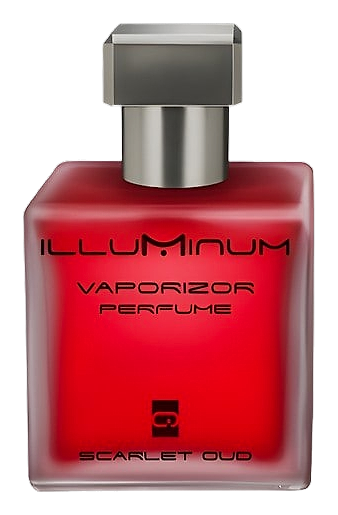
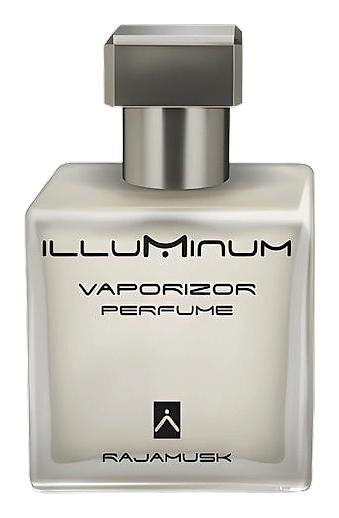
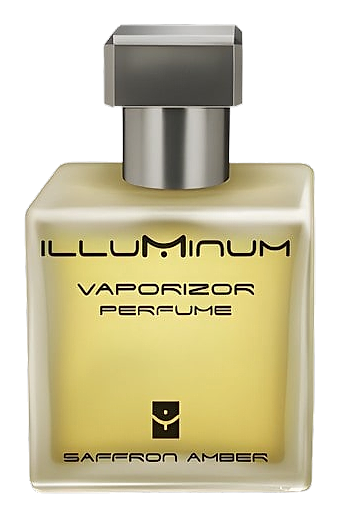
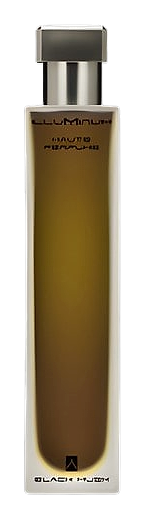
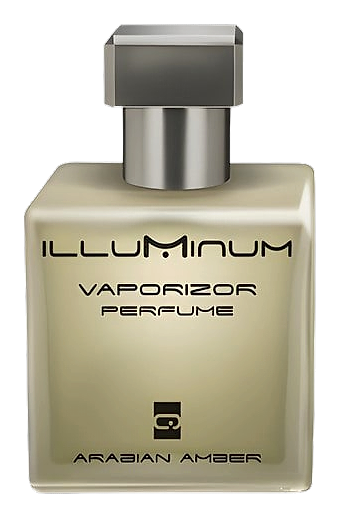
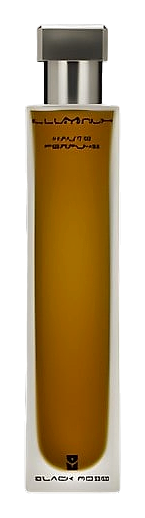
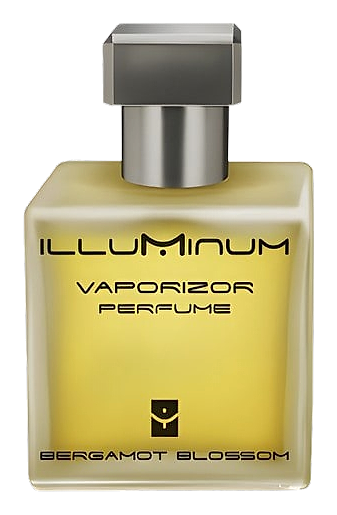
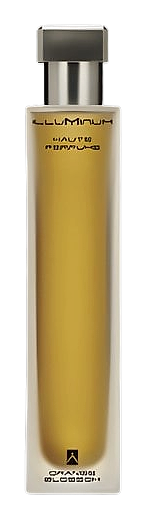
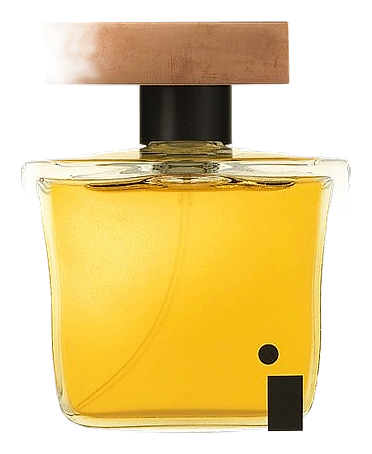
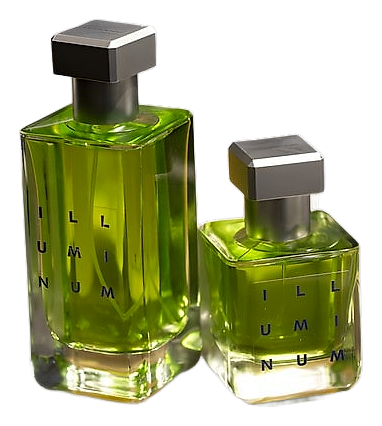
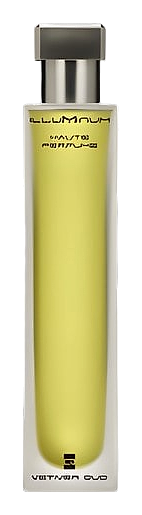
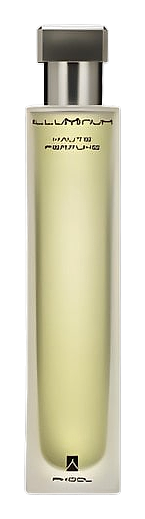
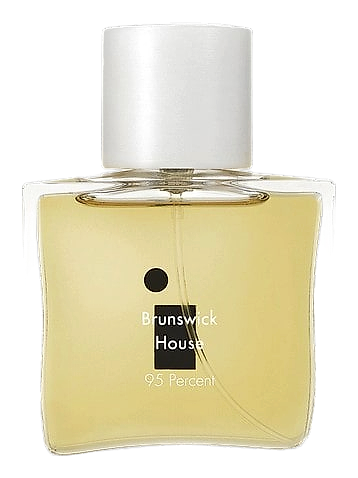
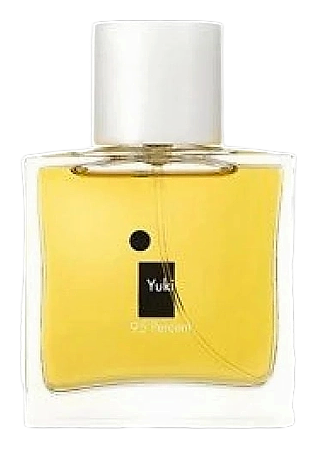
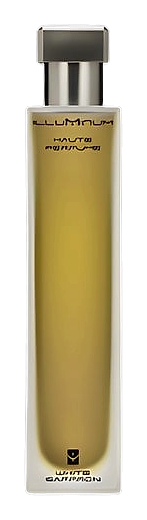
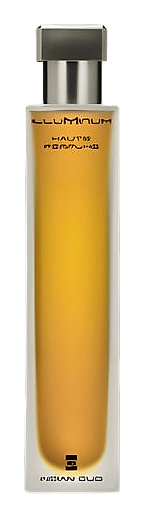
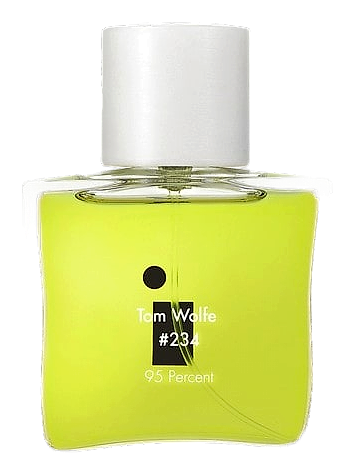
Illuminum London was founded in 2011 by a small collective of fragrance enthusiasts who wanted to create a British alternative to the dominant French niche houses. The founders chose a modest launch strategy, releasing a handful of scents that centered on ingredients rarely highlighted in the UK market – Middle‑Eastern oud, the rare Taif rose from Saudi Arabia and patchouli harvested in the Indonesian highlands. By 2014 the brand had expanded its catalogue to include the fragrance known as 234, a composition that combined smoky woods with a subtle amber base. The following year saw the introduction of Black Musk, a darker take on the classic musk motif, and the launch of Saffron Amber, which paired the spice’s warm notes with the brand’s signature rose. 2016 proved pivotal: Illuminum released Majestic Oud, a deep, resinous tribute to the oud tree, and Black Amber, a richer counterpart to its earlier amber offerings. That same year the house collaborated with chefs Jackson Boxer, Yuki Gomi and Tom Wolfe, producing a three‑part series that explored how culinary techniques could inform olfactory design. The partnership resulted in scents that referenced the texture of umami, the brightness of citrus zest and the lingering finish of roasted tea leaves. In 2020 Illuminum refreshed its visual identity and introduced a limited‑edition 95 percent concentration line, emphasizing the purity of its raw materials. Throughout its first decade the brand has remained a small‑batch operation, sourcing ingredients directly from growers and maintaining production in a London studio that complies with UK cosmetics regulations. The steady addition of new releases, such as Tribal Black Tea (2011) and Arabian Amber (2011), demonstrates Illuminum’s commitment to expanding its aromatic vocabulary while staying true to the three core ingredients that defined its inception. Illuminum’s creative vision rests on the belief that scent and flavor share a common sensory language. The brand’s collaborations with chefs illustrate a practical application of this idea: by tasting a dish and noting its structure, the perfumers translate those sensations into aromatic layers. This approach pushes the house beyond traditional perfumery, encouraging a dialogue between culinary art and fragrance design. Illuminum also places a strong emphasis on provenance. The Taif rose, for example, is sourced from the high‑altitude gardens of Saudi Arabia, where the climate yields a flower noted for its intense, slightly metallic sweetness. Oud is obtained from mature trees in the forests of Southeast Asia, and the Indonesian patchouli used in many compositions is harvested from smallholder farms that practice sustainable replanting. The brand’s values include transparency in sourcing, respect for the ecosystems that produce its raw materials, and a commitment to small‑batch production that allows for careful quality control. Rather than chasing trends, Illuminum seeks to capture moments – a fleeting taste, a memory of a spice market, the quiet glow of a candle – and preserve them in a bottle. The house’s modest size enables it to experiment without the pressure of mass‑market expectations, allowing each fragrance to be a considered statement rather than a commercial product.