
The Story
Why it exists.
The beginning
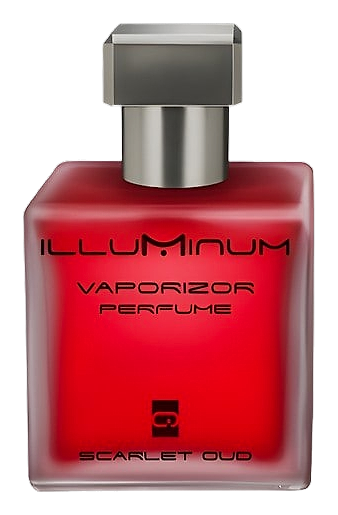
Michael Boadi designed Scarlet Oud in 2011 as part of Illuminum's oud collection. Eight carefully selected ingredients make up the composition. What Boadi was building here was an oud fragrance that didn't hedge. The honey in the opening reads as warmth and seduction, a thick golden sweetness that announces itself without apology. There's a dark richness underneath from the start, a hint of the woods and resin that will later claim their territory. The castoreum and civet in the base read as something else entirely, the smell of skin, barely mediated. That's the tension the fragrance was built around: sweet enough to lure, animal enough to keep. It's this push and pull that makes the fragrance linger in memory, the way it refuses to be categorized as purely luxurious or purely raw.
The combination is what makes this work, and what makes it divisive. Honey and castoreum shouldn't cooperate. Black pepper and civet live in different worlds. Yet the vetiver and balsamic notes thread through the whole thing, pulling disparate elements into a single arc. The opening is where it decides: that black pepper sharpness either hooks you immediately or it doesn't. For those who stay with it, the reward is a drydown that reads as skin rather than perfume, warm, animal, intimate in a way most fragrances don't attempt.
The evolution
The opening hits fast. Black pepper prickles bright against the honey's sweetness, a heat that doesn't ease in. The honey spreads thick and golden for the first thirty minutes, then starts to recede as the oud moves forward. By the hour mark, the composition has shifted: oud smoke fills the space where honey was, vetiver grounding it in something earthy and dark. Balsamic warmth adds resin without sweetness. This is where the fragrance earns attention, not in the opening, but in the transition. The drydown belongs to the animalics. Castoreum and civet arrive quietly but stay longest. These materials don't project the way oud or pepper do, they curl close to the skin, warm and insistent. The effect is intimate by design. What lingers is smoke, vetiver, and something deeper. The sillage registers as moderate, present enough to notice at close range without announcing itself across a room.
Cultural impact
Scarlet Oud has been discontinued, but its composition continues to draw attention from those who appreciate unconventional fragrance design. The use of castoreum and civet in the drydown creates an animalic presence that sets it apart from cleaner, more conventionally constructed scents. These materials contribute a distinctive quality that appeals to fragrance enthusiasts seeking something outside mainstream offerings. The combination of smoky oud, earthy vetiver, and balsamic warmth in the heart of the fragrance creates a complex profile that evolves meaningfully over time.