The Story
Why it exists.
The beginning
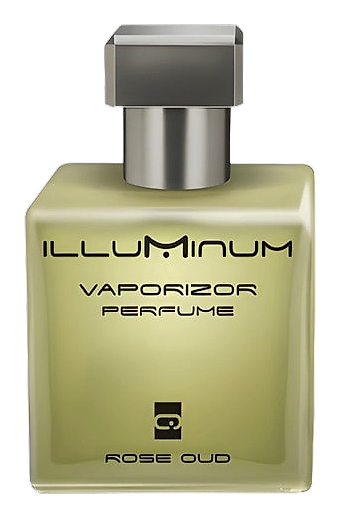
Michael Boadi designed both the fragrance and its packaging, every detail down to the logo. Rose Oud was conceived as part of Illuminum's floral group, four scents built around eight carefully selected ingredients each. The idea wasn't complexity for its own sake. It was restraint with intention. Jasmine and Moroccan rose dovetail smoky Malaysian oud, and that's the entire proposition, nothing more, nothing less.
What makes this work is the hand-off. The lily of the valley and jasmine open bright and green, coriander and basil adding a slight herbal lift that keeps things from going sweet too early. Then the rose arrives, not a single petal, but something denser, almost honeyed, and the oud starts to show itself underneath. It's not a linear journey from flower to wood. It's more like watching two things circle each other until they settle.
The evolution
The opening hits green and bright, basil and coriander cutting through the white florals like morning light through curtains. Lily of the valley stays for maybe twenty minutes before jasmine takes over, sweet and slightly indolic in that way real jasmine can be. Then the Moroccan rose arrives, and it arrives heavy. Not delicate. Not polite. The oud follows, and here's where it gets interesting: this isn't a blockbuster oud. It's quiet, resinous, more smoke than wood. The castoreum adds an animalic warmth that keeps the drydown from ever feeling clean. Patchouli lingers longest, earthy, slightly sweet, the kind of thing you find on your skin the next morning even after a shower. Moderate sillage, which means it stays close. That's the point.
Cultural impact
Rose Oud arrived as Western audiences were developing a deeper appreciation for oud. The fragrance offered high-concentration formulations that appealed to enthusiasts exploring the note. Its modest sillage and close-to-skin wear gave it a different character from the projection-heavy releases of the era.