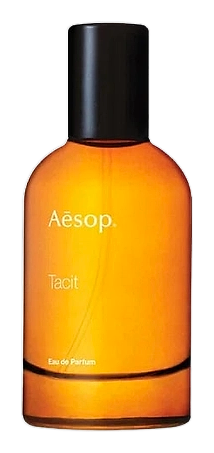

The Story
Why it exists.
The beginning
When Aesop approached Céline Barel to create Tacit in 2015, the brief was consistent with the brand's broader philosophy: a fragrance that functions as a daily tool rather than a decorative statement. Barel, working within Aesop's botanical-first framework, selected yuzu as the opening material for its specific citrus character, one that is less sweet and more astringent than lemon or orange. The decision to pair it with a broader citrus blend reflected a preference for brightness without softness. The brand's Melbourne origins and its preference for function over ornament shaped every material choice, with the yuzu and citrus serving as the functional equivalent of a clean, sharp first impression that fades cleanly as the wearer settles into the day.
The note philosophy behind Tacit treats each ingredient as a tool rather than a flourish. Yuzu opens cleanly because it is citrus without sweetness. Basil anchors the heart because it is aromatic without being floral. Vetiver and clove close the composition because they provide earthy, mineral warmth without sweetness or resin. The pairing rationale is botanical in nature: each note is selected for its functional contribution to a scent that acts as a backdrop rather than a foreground element. Worn close to the skin, the fragrance functions like a well-chosen tool, reliable and specific in character rather than expansive and decorative.
The evolution
The arc of Tacit moves with unusual restraint. The opening delivers yuzu and citrus in a tight, high-pitched burst that lasts roughly twenty minutes, projecting clearly in the first half hour. The heart of basil then asserts itself, replacing the citrus brightness with green aromatic depth that lingers for a couple of hours. As the heart fades, vetiver and clove settle into the skin, creating a dry, earthy presence that remains detectable for several more hours. The progression feels less like a story and more like a sequence of functional stages, each one serving a specific purpose rather than building toward a grand finale. The fragrance does not climax; it transitions, and the transition is the point.
Cultural impact
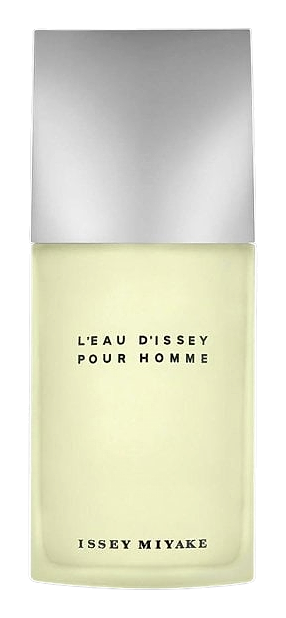
Since its 2015 debut, Tacit has become a quiet favorite among fans of fresh‑green aromatics, often mentioned alongside L’Eau d’Issey pour Homme for its crisp citrus‑herb profile. Its understated Mediterranean vibe resonates with those who prefer subtle confidence over overt flamboyance, making it a go‑to scent for creative professionals and travelers seeking a scent that feels both grounded and sun‑lit.
The House
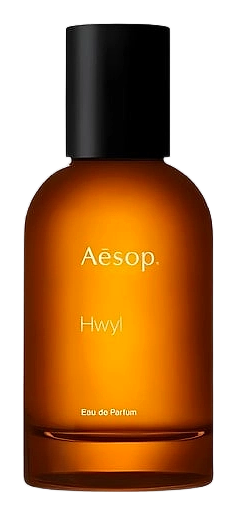
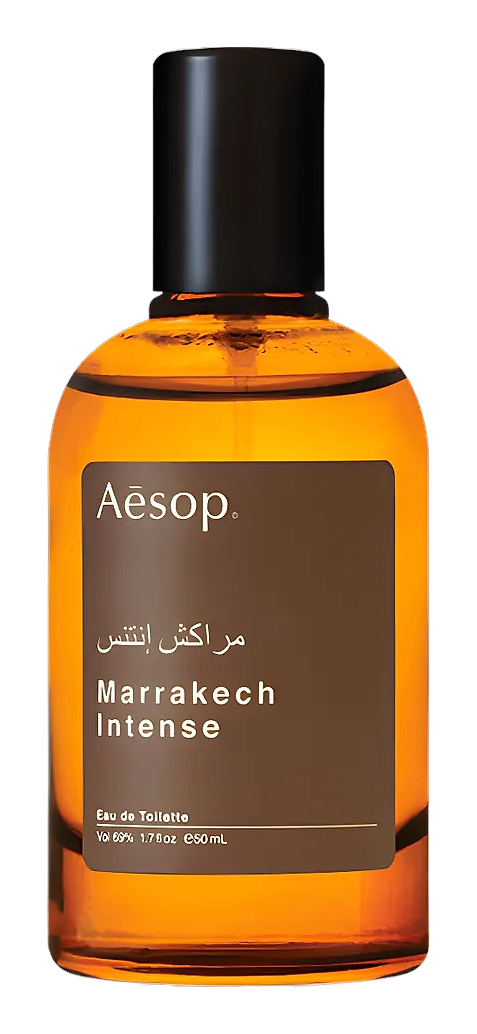
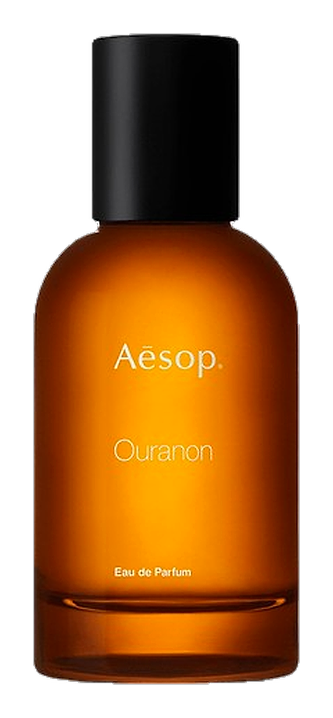
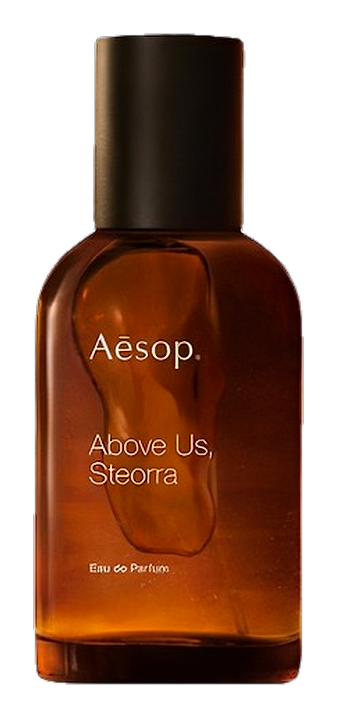
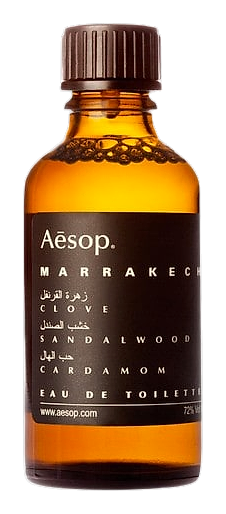
AesopAesop is an Australian luxury skincare and fragrance house founded in Melbourne in 1987 by hairdresser Dennis Paphitis, who began blending essential oils into hair products at his salon before building one of the most distinctive beauty brands in the world. Known for botanical formulations, architectural retail spaces, and a conspicuous refusal to advertise, Aesop occupies a rare position at the intersection of skincare, perfume, and cultural sensibility. The brand launched its first fragrance, Marrakech, in 2005 and has since developed a tight collection of distinctive scents. Aesop became a certified B Corp in 2020 and, after more than a decade under Brazilian owner Natura & Co, joined the L'Oréal portfolio in 2023 in a deal valued at approximately $3.7 billion.
The Creator
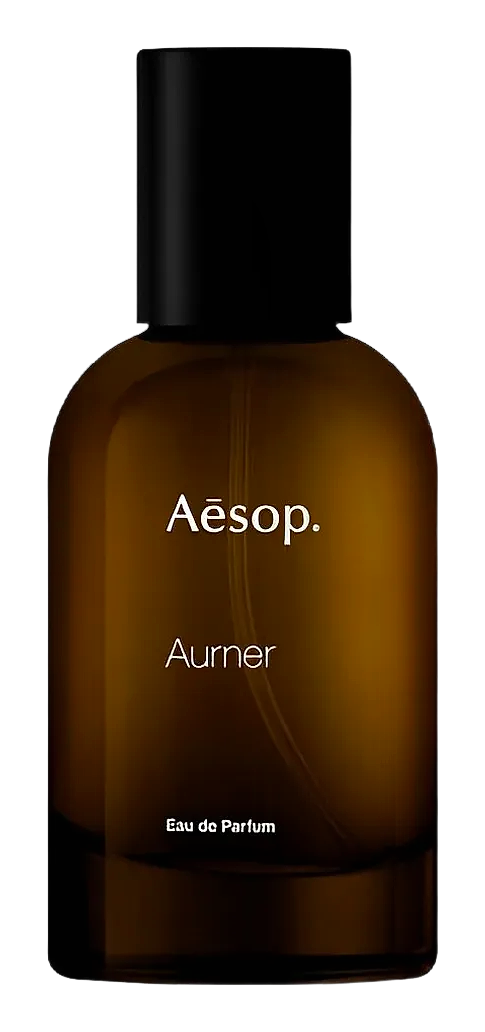
Céline BarelBarel favors a restrained, mineral freshness that appears most clearly in her work for Aesop, particularly Tacit and Aurner, where citrus and wood build something both spare and lasting. Her zoological work for Zoologist, including Squid and Dragonfly, shows a different regist…