The Story
Why it exists.
The beginning
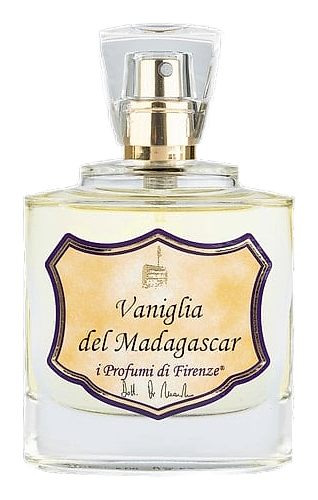
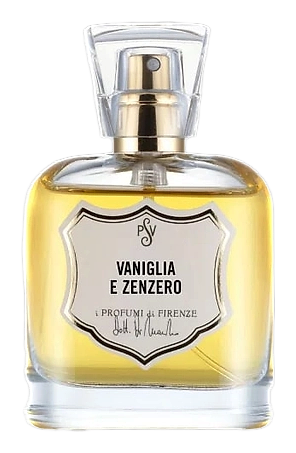
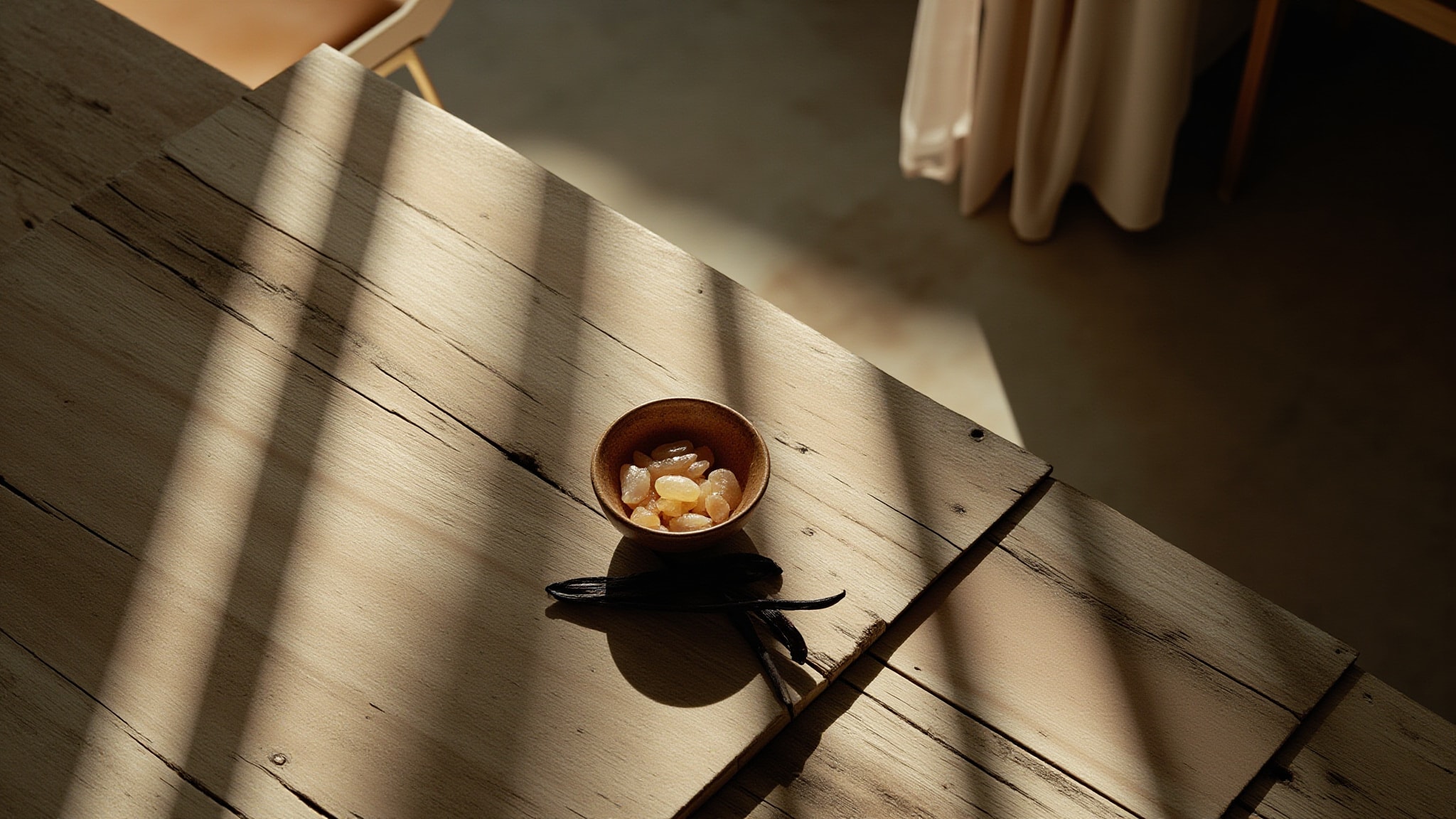
I Profumi di Firenze was founded in 1966 by Dr. Giovanni di Massimo, a Florentine chemist whose passion for botany and local tradition shaped a house dedicated to capturing the essence of Tuscany. Working from a small laboratory in the city center, Dr. di Massimo sourced raw materials from the surrounding region, translating the sights and scents of Florence into portable memories. Vaniglia e Zenzero arrived in 2000, emerging from the founder's desire to explore the tension between sweet and sharp, warm and cool. The name itself declares its two protagonists: vanilla and ginger, a pairing that draws from the kitchen traditions of the Tuscan hills. Dr. di Massimo saw these ingredients not merely as flavor notes but as sensory anchors, evoking both comfort and vitality in a single breath. The fragrance was designed to feel simultaneously familiar and exotic, rooted in Florentine craft yet open to influences from further afield.
The philosophy behind Vaniglia e Zenzero reflects I Profumi di Firenze's broader commitment to restraint and authenticity. Rather than layering dozens of ingredients, Dr. di Massimo focused on a clear narrative arc, each phase of the fragrance building on the last. The vanilla and ginger pairing was chosen for its natural synergy, two ingredients that appear together in countless culinary traditions across the Mediterranean and beyond. By placing them within a structure that opens with citrus brightness and develops through a complex floral-spice heart, the fragrance achieves a sense of journey without ever losing coherence.
The evolution
The opening of Vaniglia e Zenzero is an immediate declaration of intent. Bergamot, lemon, and mandarin orange arrive together, their citrus brightness softened by basil, which introduces a green, slightly herbaceous note that signals this is not a typical fruity fragrance. This opening lasts roughly thirty minutes, projecting with moderate intensity, enough to announce presence without demanding attention. As the citrus fades, the heart takes over with impressive complexity. Lavender anchors the mid-section, providing an aromatic, slightly medicinal quality that is soon joined by neroli, whose orange blossom sweetness rounds the edges. Clove and nutmeg introduce warmth, their spice creating an almost edible quality without tipping into gourmand territory. Violet and lily of the valley add softness, their powdery florals threading through the composition. Geranium contributes a rose-like freshness, while cypress adds a dry, woody nuance that bridges the transition to the base. The drydown is where Vaniglia e Zenzero earns its name.
Cultural impact
Vaniglia e Zenzero emerged in the early 1990s as a reflection of Florence’s revival of artisanal craft, marrying the city’s historic spice markets with the citrus groves of nearby coastal towns. The blend captures the region’s dual identity: the bustling energy of market stalls and the serene calm of Tuscan gardens. By integrating basil and cypress, the scent nods to local herb gardens, while the ginger‑vanilla heart evokes the warmth of traditional Tuscan kitchens. Over the past three decades the fragrance has become a quiet cultural marker, often cited in regional fashion shows and garden festivals as a scent that bridges heritage and modernity, reinforcing Florence’s reputation for sophisticated yet approachable perfume artistry.