Heritage
A house, in its own words
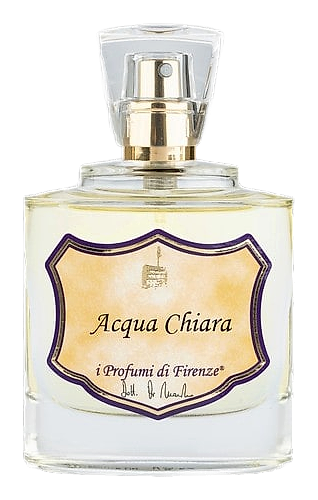
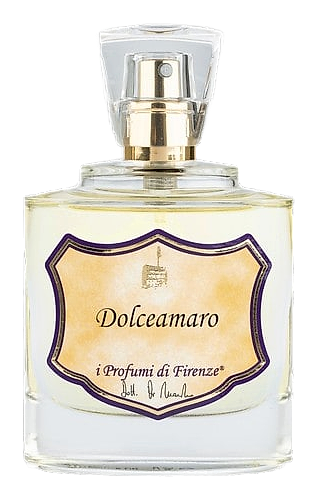
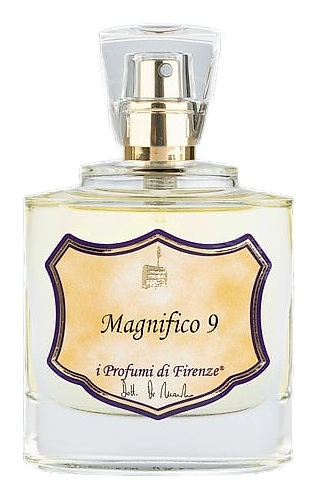
The story of I Profumi di Firenze begins in 1966, when Dr. Giovanni di Massimo opened a small laboratory in the historic centre of Florence. Trained as a pharmacist, he applied his knowledge of botanical extracts to create fragrances that reflected the city’s gardens, markets and riverbanks. Early releases such as Acqua Chiara (2000) and Dolceamaro (2005) were distributed through local boutiques and quickly earned a reputation for authenticity among connoisseurs. In 2007 the brand introduced Magnifico 9 Zenzero e Peperoncino, a spice‑forward composition that highlighted the founder’s willingness to experiment with regional ingredients while staying true to traditional Italian perfumery techniques. A second edition, Magnifico 13 Cedro e Ciclamino, followed in 2013, expanding the series with citrus and floral notes sourced from nearby orchards. Throughout the 2010s the house remained family‑run, with the Galardi family joining the operation to manage distribution and preserve the original artisanal approach. By 2021 the label celebrated its 55th anniversary, marking the milestone with a limited edition release that revisited classic accords from the 1970s. Today the brand continues to operate from its Florence workshop, offering a curated line that reflects both historical continuity and the evolving palate of modern fragrance lovers. I Profumi di Firenze approaches scent as a form of storytelling rooted in place. The house believes that a perfume should act as a portable memory, allowing the wearer to recall a specific moment in Florence—whether it is the cool breeze along the Arno, the aroma of fresh citrus in a garden, or the spice of a bustling market stall. This perspective drives the selection of raw materials: ingredients are chosen for their geographic relevance and for the way they interact with one another to evoke a scene rather than a generic fragrance family. The brand also emphasizes transparency; ingredient lists are made available to retailers, and the sourcing locations are often mentioned on the packaging. Sustainability plays a modest role, with the house preferring locally harvested botanicals and avoiding synthetic substitutes when a natural counterpart can achieve the same effect. The creative process is collaborative, involving the founder’s descendants, local artisans and, on occasion, guest perfumers who share a connection to Tuscany. The result is a line of scents that feels both personal and anchored in the cultural fabric of Florence.