The Story
Why it exists.
The beginning
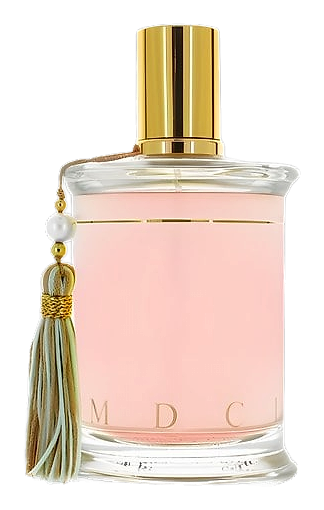
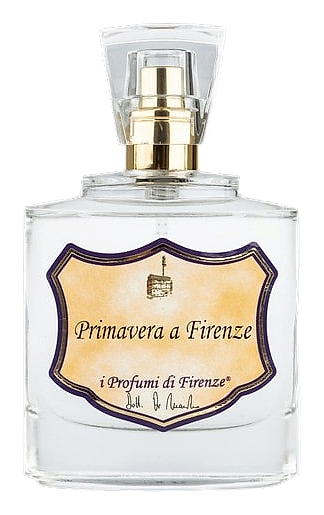
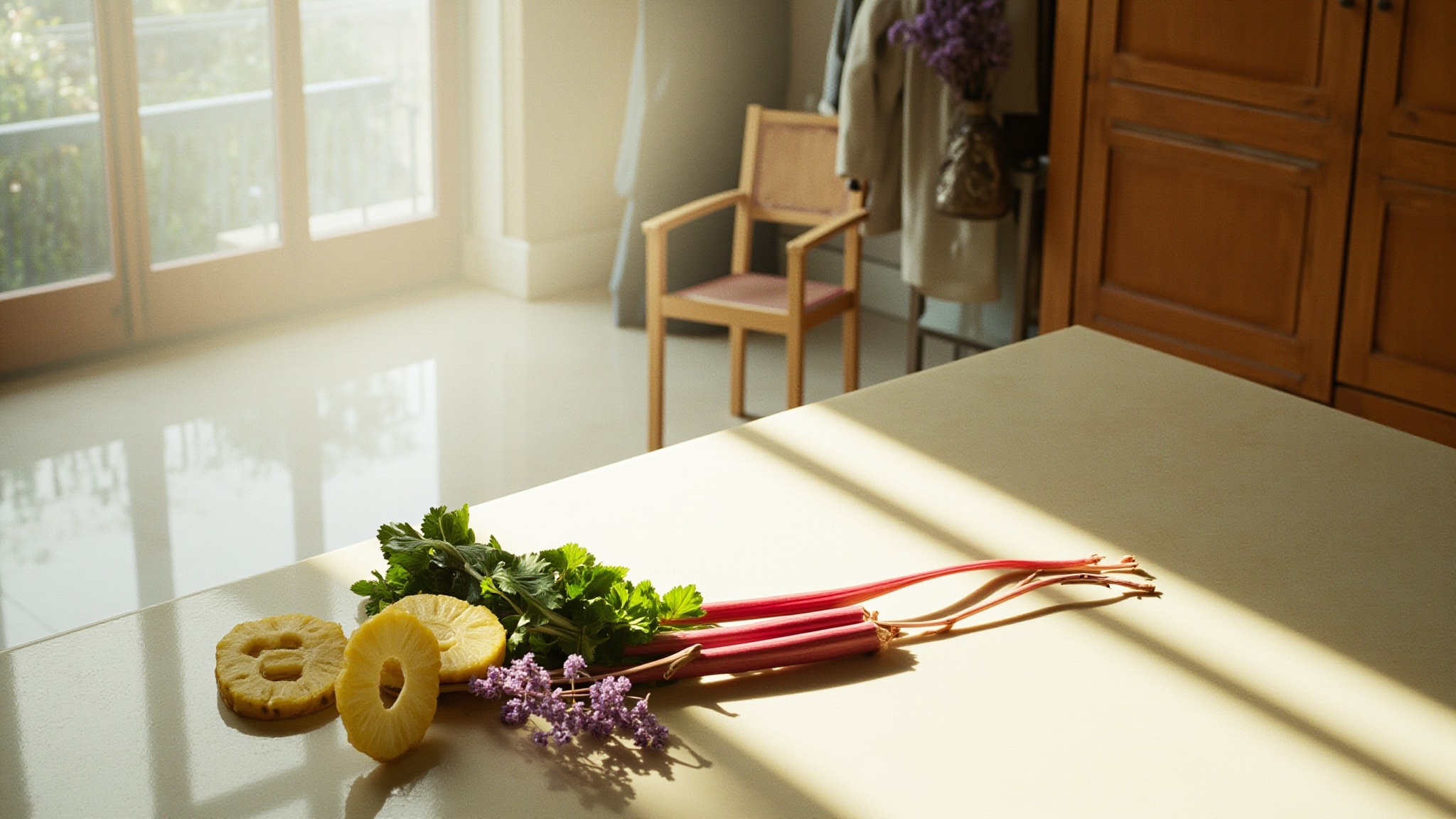
Primavera a Firenze translates its concept directly in its name, Spring in Florence. The city that gave the world the Renaissance also gave it a very particular seasonal vocabulary: sudden warmth, wisteria cascading over ochre walls, air that smells of lemon groves and wet stone on the same afternoon. This fragrance attempts to hold that contradiction, the sharp green start of a Florentine spring and the soft exhale of its warmer days. Pineapple, rhubarb, and lemon arrive first, a trio that hits like morning light on a Florentine terrace. Then wisteria and lily of the valley take over, not dramatically, just confidently. Rose and geranium provide the middle ground. Cedar and patchouli close things out with the kind of grounded finish that feels earned, not obligatory.
What makes this composition interesting is the tension between its brightest and most grounded materials. Rhubarb and wisteria should not, on paper, belong to the same fragrance, one is sharply sour, almost medicinal; the other is heady and romantic. Yet here they coexist. The pineapple adds tropical sweetness that could tip the whole thing toward dessert, but the cardamom in the heart pulls it back toward something more aromatic, more interesting. The base of cedar and patchouli is deliberately minimal, this is not a fragrance that wants to announce itself from across a room. It wants to be discovered, leaned into. That restraint is what separates it from the typical spring floral.
The evolution
The opening hits bright and tart. Lemon zest, rhubarb's green bite, and a whisper of pineapple create a sensation that's simultaneously fresh and slightly strange, not aquatic fresh, not citrus fresh, but something with more weight. For the first thirty minutes, this is the scent of that first warm afternoon after a long winter, when you open the windows and the air smells like possibility and slightly damp earth. The heart shifts gradually. Wisteria doesn't arrive so much as settle, the lily of the valley provides a bridge, soft and clean, before the rose emerges. Geranium adds an herbal edge that keeps the floral from becoming precious. Cardamom is present throughout, a warm spice that prevents the whole thing from reading as girlish. The base arrives quietly. Cedar takes the lead, dry and woody, before patchouli adds its earthy depth. Neither dominates, they're there to ground, to finish, to make the whole thing feel intentional. Longevity sits comfortably at 8-10 hours on most skin types.
Cultural impact
Primavera a Firenze occupies an interesting position in the niche fragrance landscape, a spring floral that refuses the usual rules. Floral-fruity fragrances often lean heavily into sweetness or simplicity, but this one uses rhubarb's tartness and cardamom's warmth to create something with actual depth. Wearers describe it as the kind of fragrance that rewards attention rather than announcing itself. The wisteria and lily of the valley combination is uncommon enough that it registers as distinctive without being challenging. In practice, it reads as sophisticated, the choice of someone who appreciates florals but finds most of them too easy.