The Story
Why it exists.
The beginning
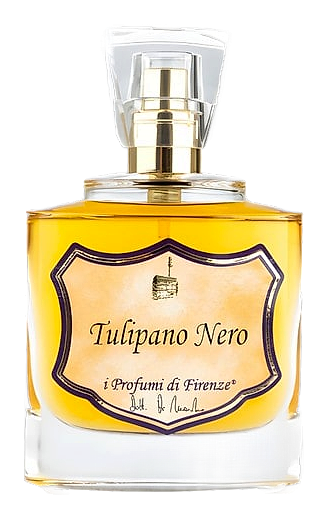
The black tulip has always been a story about obsession, the rare, the beautiful, the dangerously sought. In 1990, I Profumi di Firenze took that metaphor and pressed it into scent. Tulipano Nero opens with the clean, almost clinical precision of bitter orange and artemisia, a striking herbal sharpness that cuts through the air with an almost medicinal clarity. The composition refuses to stay within those lines as it evolves, revealing deeper layers as the minutes pass. The name itself is a provocation. Black tulips don't exist in nature, they must be made. So was this fragrance, built from contrasts and contradictions that unfold over hours on skin.
What's unusual here isn't any single ingredient but the structural audacity of the pyramid. Artemisia, wormwood, the same herb that gives absinthe its character, is rare in fine fragrance and almost never appears at the top. It introduces a green, slightly bitter, almost camphorated edge that most perfumers would smooth away. The ylang-ylang brings its waxy sweetness, neroli adds a bitter-orange blossom coolness, geranium contributes a rosy-green lift, and cinnamon-nutmeg push warmth into the composition.
The evolution
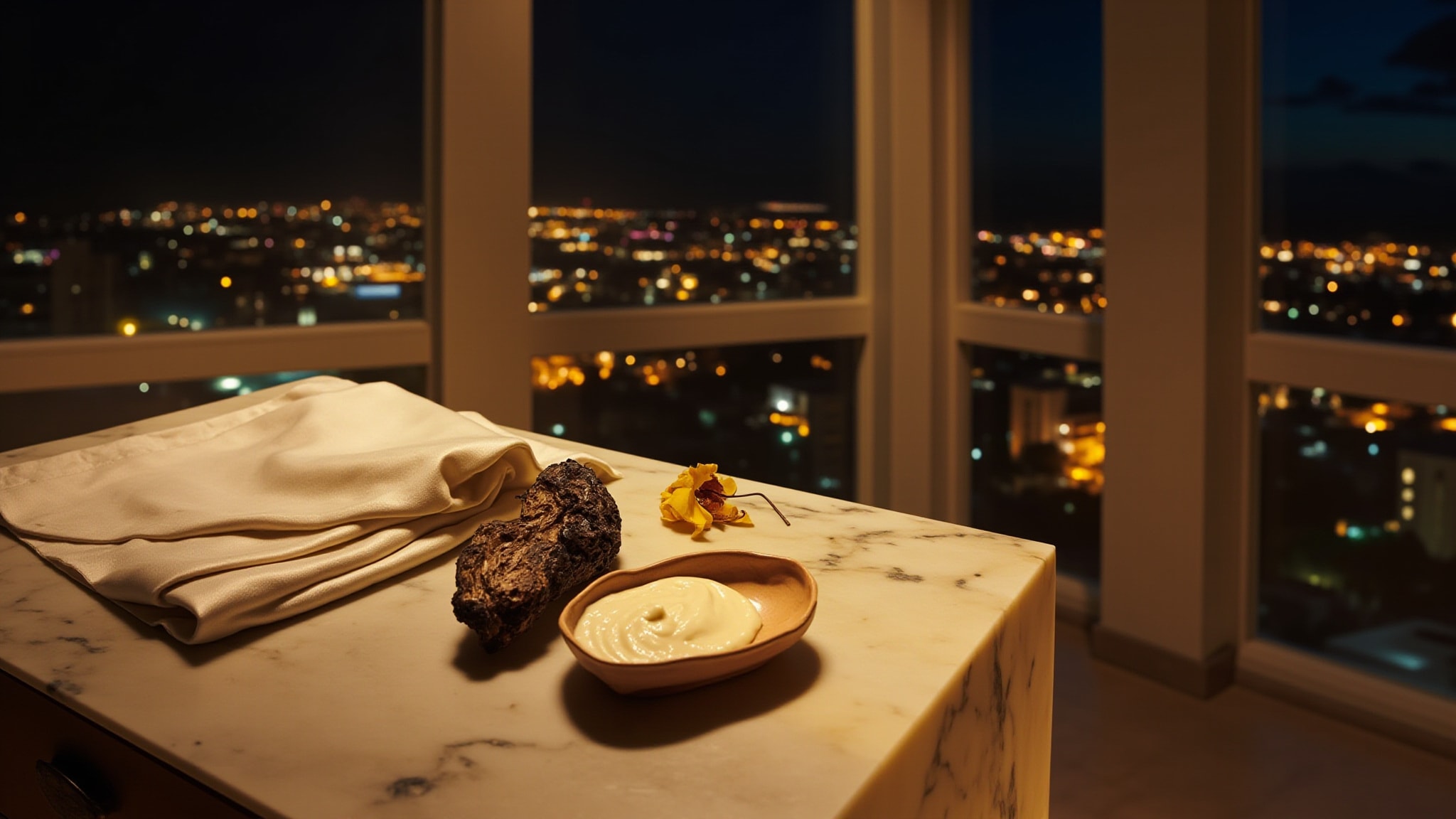
The opening moments belong to artemisia and bitter orange. Its herbal, slightly medicinal character dominates, soapy, almost aldehydic, with a green sharpness that some people mistake for defect and others recognize as intention. As time passes, the florals arrive. Ylang-ylang and rose emerge together, warm and waxy, supported by neroli's cool blossom note and geranium's green backbone. The spice enters quietly: first nutmeg, then cinnamon. The heart begins to assert itself and the resinous base starts its slow surfacing. Myrrh arrives with its dark, slightly tarry depth, followed by benzoin's sweet balsamic warmth. Vanilla creeps in last, softening everything. The result is a warm, resinous, deeply floral drydown, like a black tulip, dramatic and impossible.
Cultural impact
Tulipano Nero occupies an unusual position in the 1990 fragrance landscape. The artemisia opening alone sets it apart from nearly everything else released during that period, bringing an herbal, almost medicinal sharpness to the top notes that feels distinctly different. Its bold character appeals to those seeking something beyond conventional floral compositions. The fragrance rewards discovery through specialty boutiques rather than typical retail channels, where wearers tend to find it unexpectedly and become devoted to its distinctive personality. It's the fragrance you stumble upon and then can't stop thinking about.