
The Story
Why it exists.
The beginning
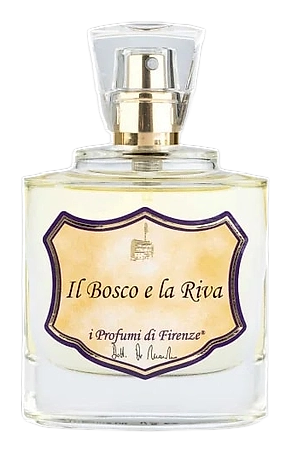
Il Bosco e la Riva was born in 2013 from Giovanni Di Massimo's memory of an August morning on Madagascar's Mangoro river. He recalled the sudden perfume of wild berries drifting over a vanilla orchard, a moment that felt both wild and tender. Translating that scene, he built a fragrance that captures the specific sensation of fruit ripening at the water's edge, with green foliage catching the first light before the day's warmth arrives.
Green notes and bergamot anchor the opening, chosen to echo the atmospheric freshness of morning river air. Raspberry and red fruits take the center stage because they capture the wild berry character Di Massimo described, without veering into confectionery territory. The vanilla and musk drydown serves a practical and poetic purpose: warmth that holds the fragrance tog ether and a softness that makes it feel Intimate rather than projected at a distance.
The evolution
The scent opens with green notes and bergamot, recreating that first inhale of a humid morning beside the river. The fragrance moves quickly into its heart as raspberry and red fruits rise, filling the space with a juicy, vivid presence that feels plucked rather than constructed. Vanilla enters quietly in the base, smoothing the transition and bringing the warmth of a distant orchard into focus. Musk lingers last, staying close to the skin like the memory of the moment itself, soft and enduring.
Cultural impact
Il Bosco e la Riva captures a moment of Italian riverine forest life, reflecting the cultural tradition of connecting scent to place that is central to I Profumi di Firenze. Launched in 2013, it mirrors the country’s reverence for natural landscapes, using bergamot to evoke Mediterranean citrus groves and green notes that recall the lush undergrowth along the Arno. The inclusion of raspberry and red fruits nods to regional harvests, while vanilla and musk provide a comforting finish reminiscent of Italian hospitality. This blend has been embraced in local festivals and personal memory rituals, illustrating how a perfume can become a portable piece of cultural heritage, linking modern consumers to historic Italian sensibilities.