The Story
Why it exists.
The beginning
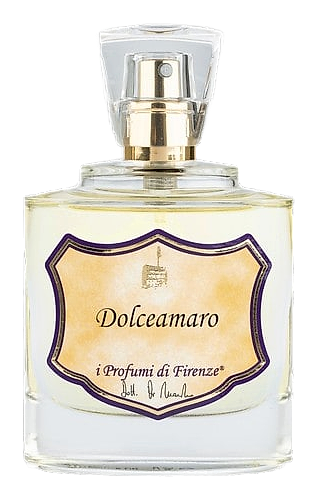
Dolceamaro translates to "bitter-sweet," and that tension is the whole point. Dr. Giovanni di Massimo composed it in 2005 as part of his ongoing project to bottle specific emotional states, this one tied to the Mona Lisa smile and the vertigo of first love. The name does the explaining; the juice does the convincing. A natural pharmacist and renowned perfumer, he created the composition in Florence, building it around a deliberate contradiction: the bright lift of bergamot and orange set against a deeper, softer foundation. The vanilla lives in the base, a warm hum beneath everything, while the white flowers at the heart give the composition its tender core. Nothing about it announces itself.
The unusual move here is the musk anchoring a composition that opens with citrus and white flowers. Dolceamaro routes its sweetness through the powdery edge of lily of the valley and rose, then lets the musk do the grounding work. There's something almost paradoxical about the way it opens so luminous and airy, then settles into something denser and more intimate. The passion flower sits at the heart of the composition, an unexpected choice that adds a tropical, slightly exotic dimension to the otherwise classical Italian floral structure.
The evolution
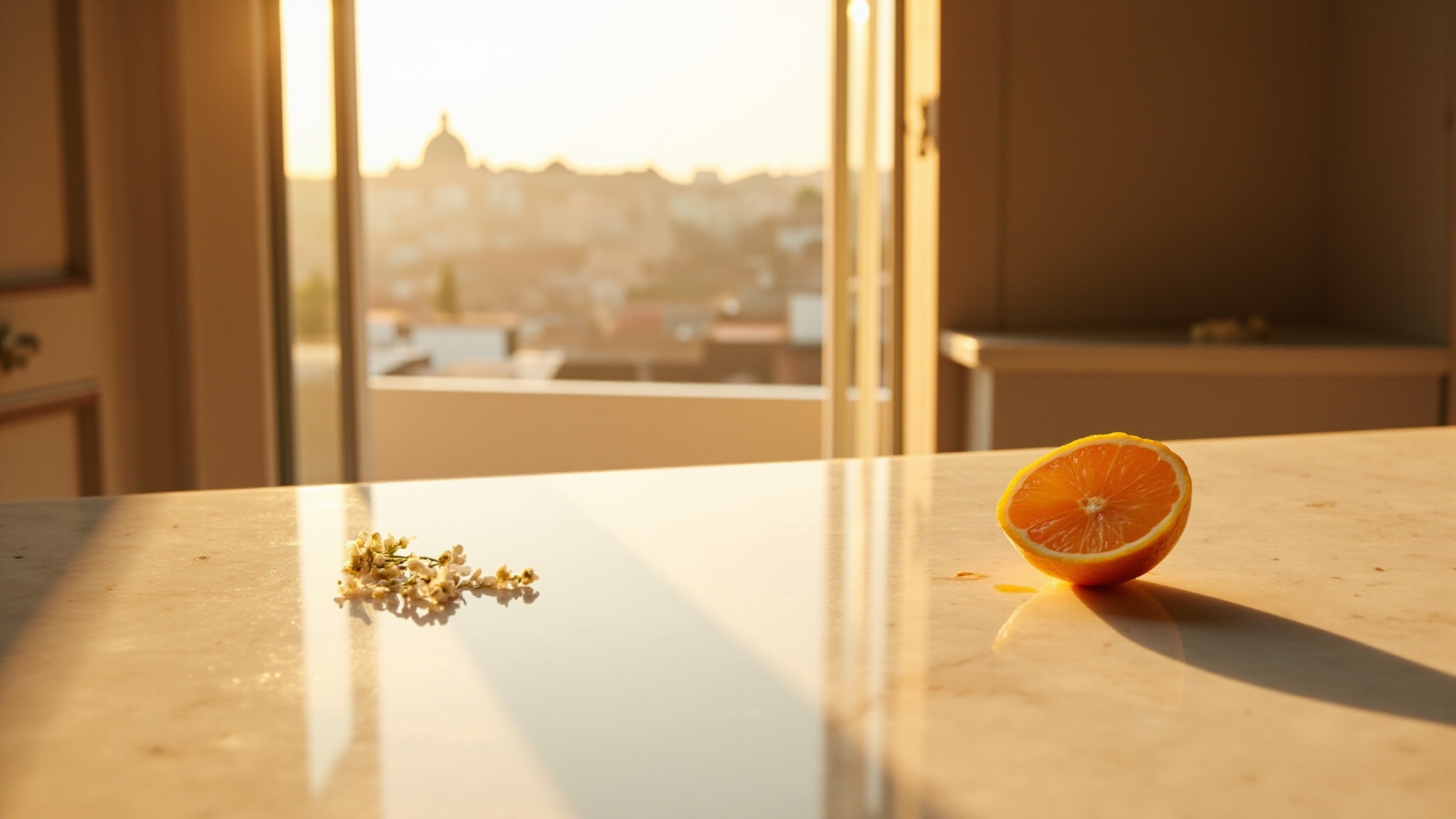
The first hour is where the citrus does its work. Bergamot and orange come in clean and almost sparkling, like daylight through a window onto tile floors. Within thirty minutes the white flowers take over: jasmine loudest, rose threading beneath it, lily of the valley adding that dewy, almost-green sweetness. The passion flower sits lower in the mix, a quality that keeps the heart from going too pretty. By the two-hour mark the vanilla starts emerging from underneath, and the composition warms. The vetiver arrives next, earthy and slightly dry, balancing the sweetness before it tips. The drydown is where Dolceamaro earns its name. The musk takes over, powdery and skin-close, with the vanilla still humming underneath. In the final hours the scent becomes nearly all musk and ghost-floral, the kind of trace that lingers on a sweater the next morning.
Cultural impact
Dolceamaro arrived in 2005 from I Profumi di Firenze, a Florentine house founded by Giovanni Di Massimo, a natural pharmacist and renowned perfumer. Its name, Italian for sweet-bitter, names a tension central to Italian sensory life. The composition itself reflects this duality: the bright lift of bergamot and orange playing against the warm depth of vanilla and the grounding presence of musk. For those who encounter it, the fragrance reads as something quietly distinctive, a composition that draws on the tradition of Florentine perfumery while speaking in its own contemporary voice.