Himalayan Musk
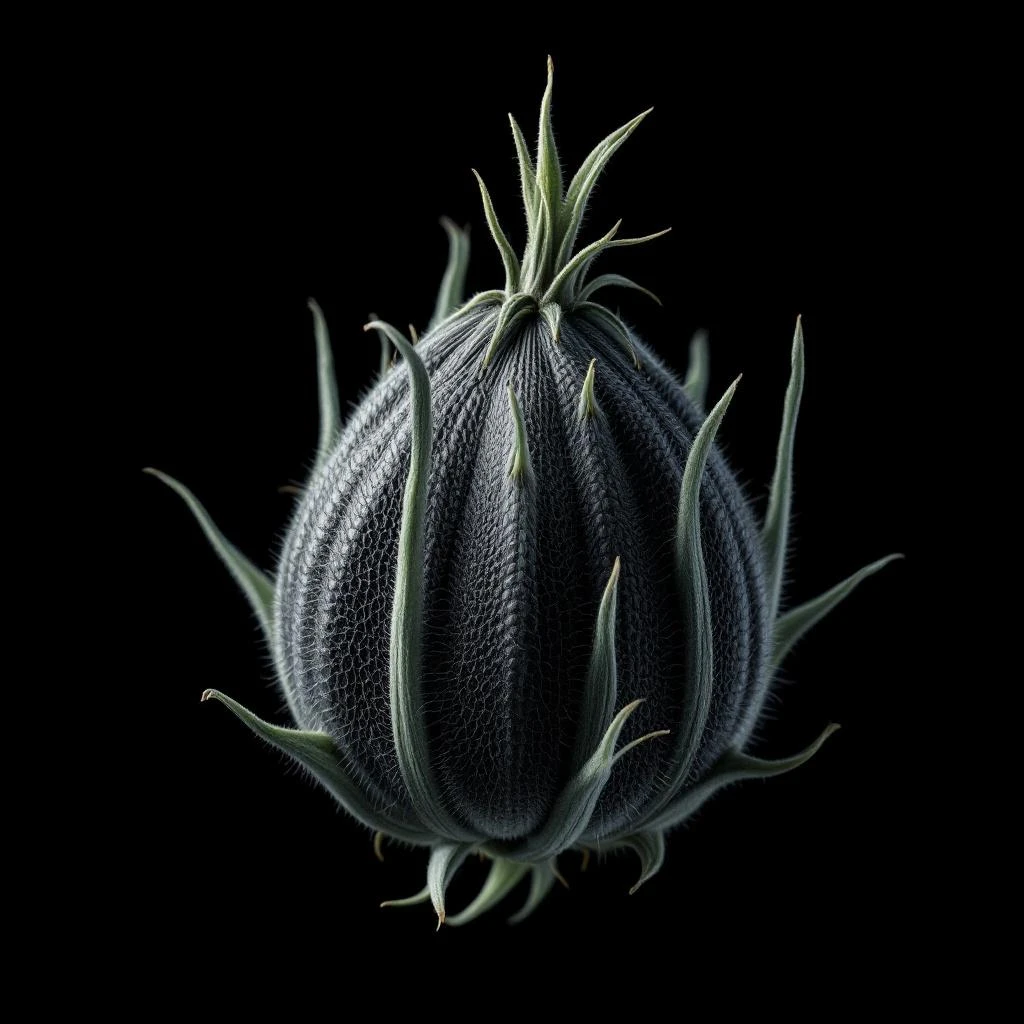
Once worth more than gold, Himalayan musk comes from a small deer roaming the high plateaus between Tibet, China, and Siberia. Its warm, animalic scent defined luxury perfumery for millennia, earning the title 'soul of perfume.'
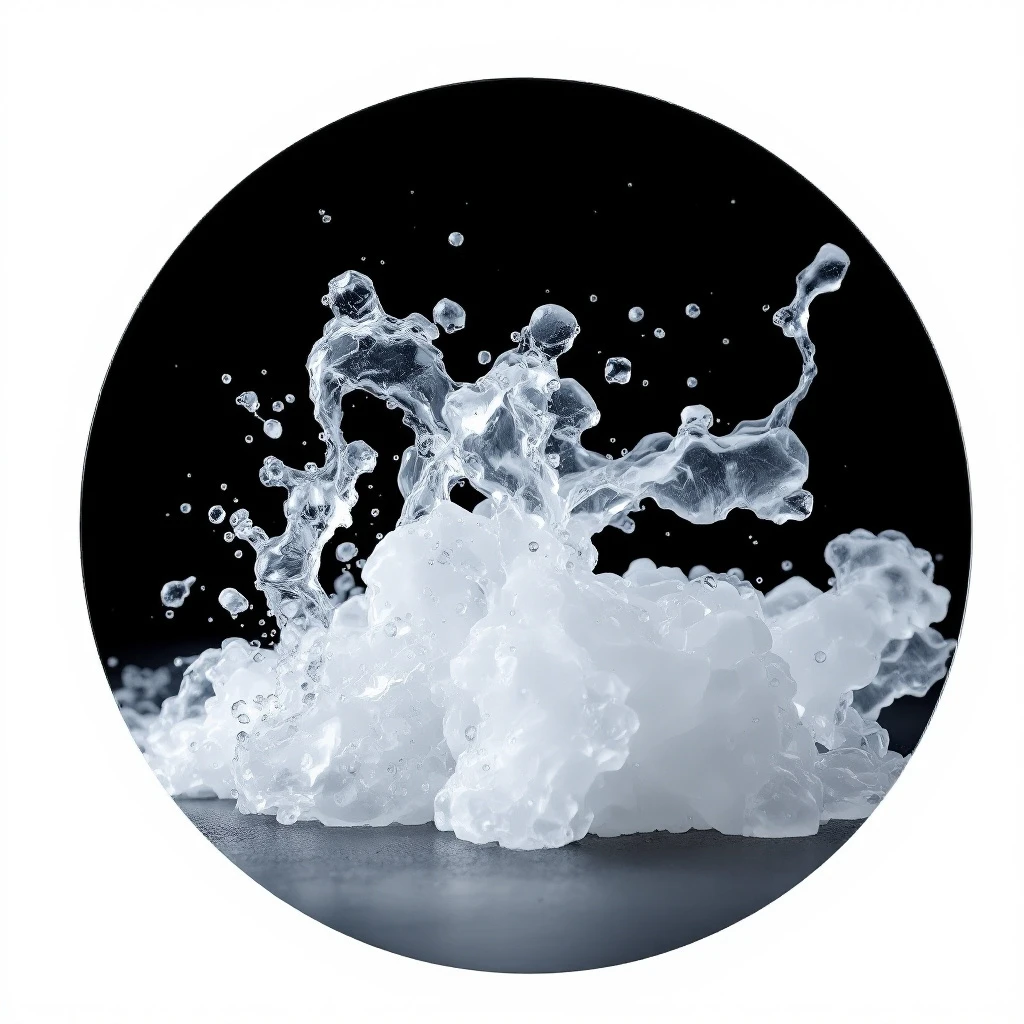
Character
How it smells
The soul of perfume for five millennia.
Alexander the Great discovered musk in 330 BCE during his campaign to India, sparking a trade that shaped global perfumery.




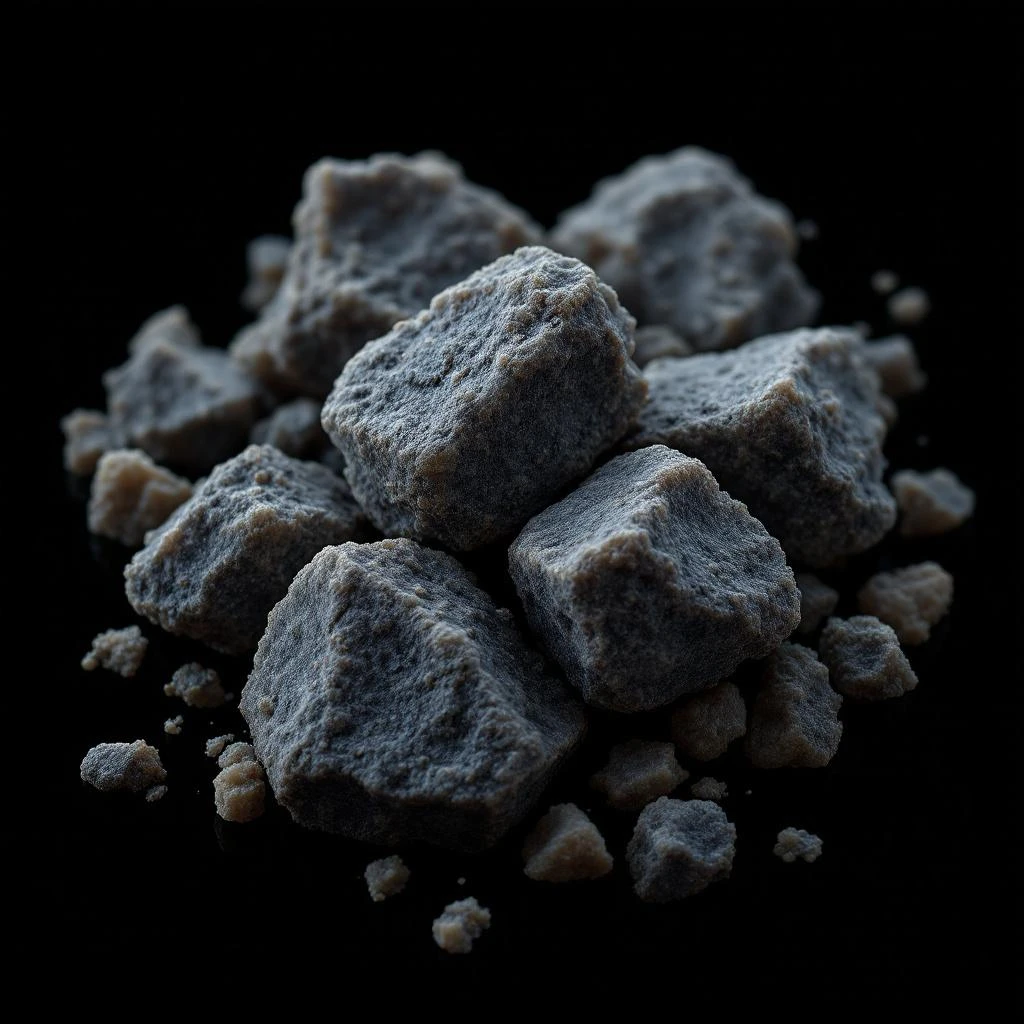
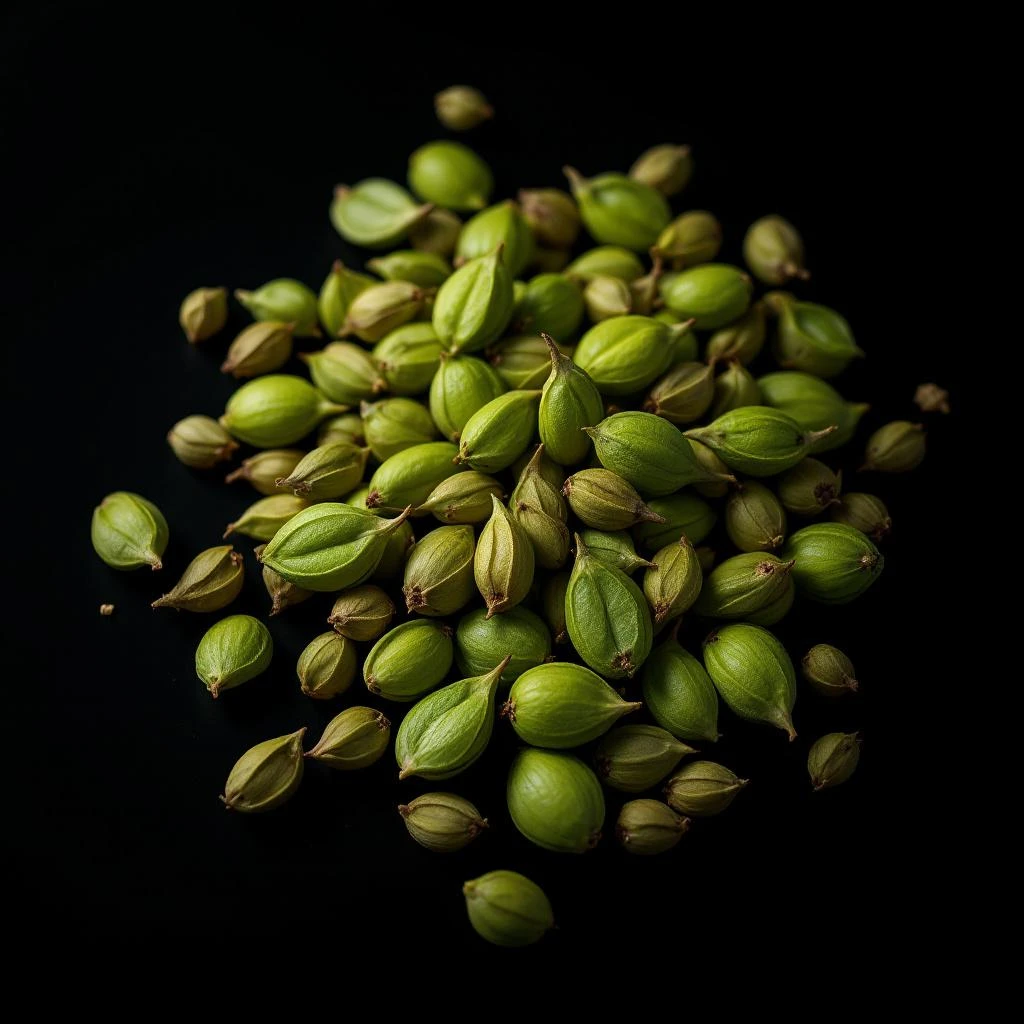

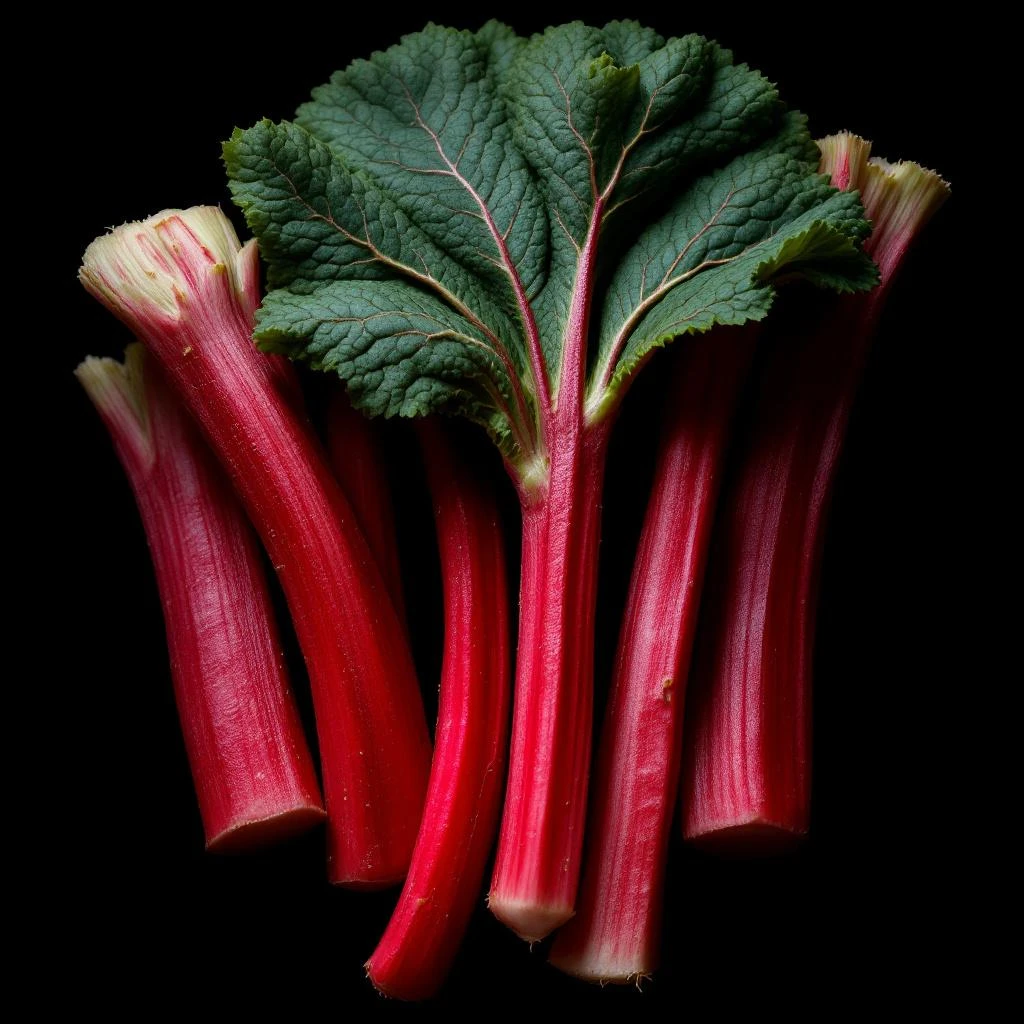
Origin
Himalayan region
Musk appears in Sumerian records from the third millennium BCE, making it one of perfumery's oldest documented ingredients. Ancient courts across Persia, China, and Rome competed fiercely for this rare substance.
Greek explorers first brought musk from India to Europe in the 6th century CE. Arabic and Byzantine perfumers then elevated it, using the ingredient both as a fragrance and as a fixative to extend the life of their blends.
By medieval times, Ottoman and European courts considered musk essential to their finest preparations. The substance remained a cornerstone of high perfumery until the late 19th century, when ethical concerns and declining populations prompted the development of synthetic alternatives.
Wears it best
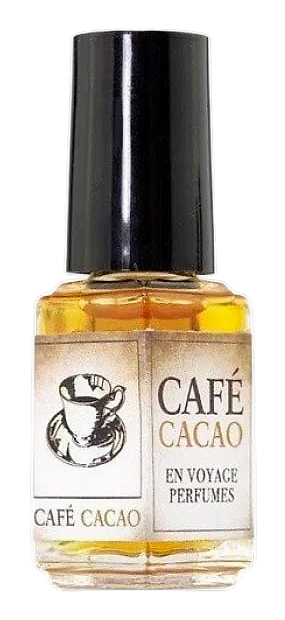
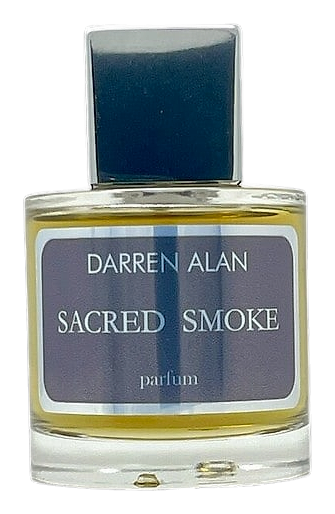
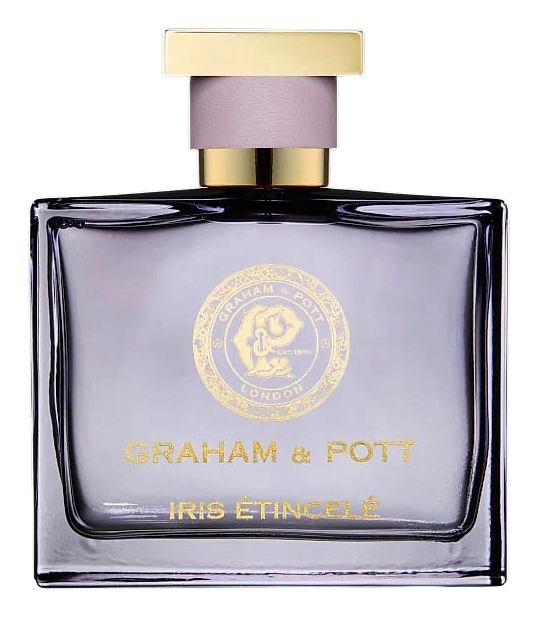
Fragrances featuring Himalayan Musk
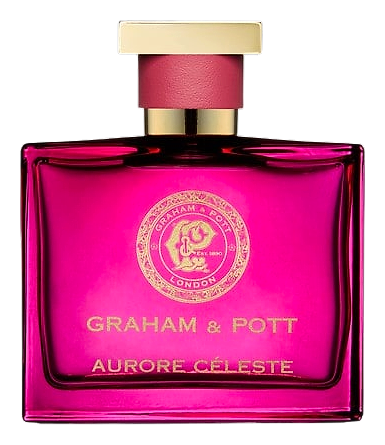
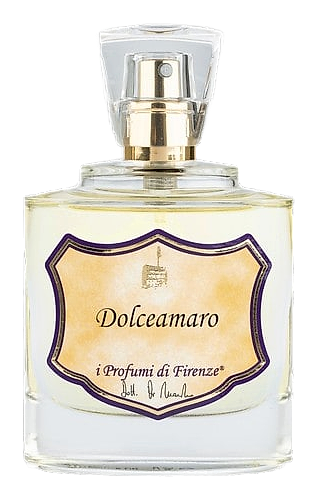
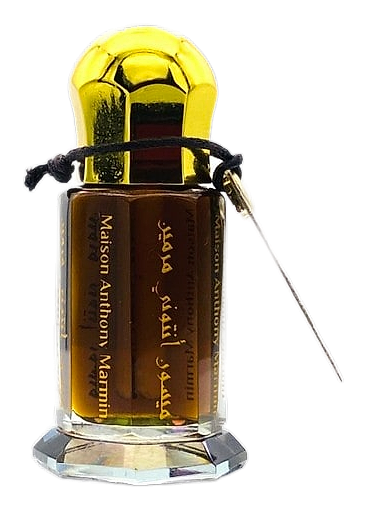
Brands
Brands known for Himalayan Musk
Good to know
Questions, answered
The essentials on Himalayan Musk in perfumery: how it smells, where it comes from, and how it behaves on skin.
What is Himalayan musk?
Himalayan musk is a fixative and amplifier originally sourced from the abdominal gland of the musk deer native to the Himalayan and Siberian plateaus. It adds warmth and longevity to fragrance compositions.
What does Himalayan musk smell like?
Natural musk has a warm, animalic character with woody and slightly fecal notes. When aged or properly diluted, it becomes smooth, clean, and almost skin-like. Synthetic versions aim to capture this warmth.
Why is natural musk no longer used in perfumery?
Natural musk is banned from international trade under CITES due to overhunting that nearly drove the musk deer to extinction. Synthetic alternatives now dominate the market.
What are synthetic musks made from?
Synthetic musks use carbon-based aromatic compounds like macrocyclic musks, nitro-musks, and polycyclic musks. Ingredients such as Galaxolide and Habanolide replicate the fixative properties.
Is Himalayan musk ethical?
Natural Himalayan musk is banned under CITES due to the musk deer's endangered status. Modern perfumery uses synthetic alternatives that offer the same aromatic properties without animal sourcing.
What role did musk play in ancient perfumery?
Musk served as both a fixative and amplifier. A small amount could extend the longevity of lighter notes and boost their perceived intensity, making it invaluable in expensive blends.
When was musk first used?
Musk appears in Sumerian records from the third millennium BCE, predating most other fragrance ingredients. Alexander the Great encountered it in 330 BCE during his Indian campaign.
Is musk safe for skin application?
Synthetic musks used in modern perfumery are considered safe for cosmetic and skin application. Regulations vary by country, but approved compounds undergo safety evaluation.