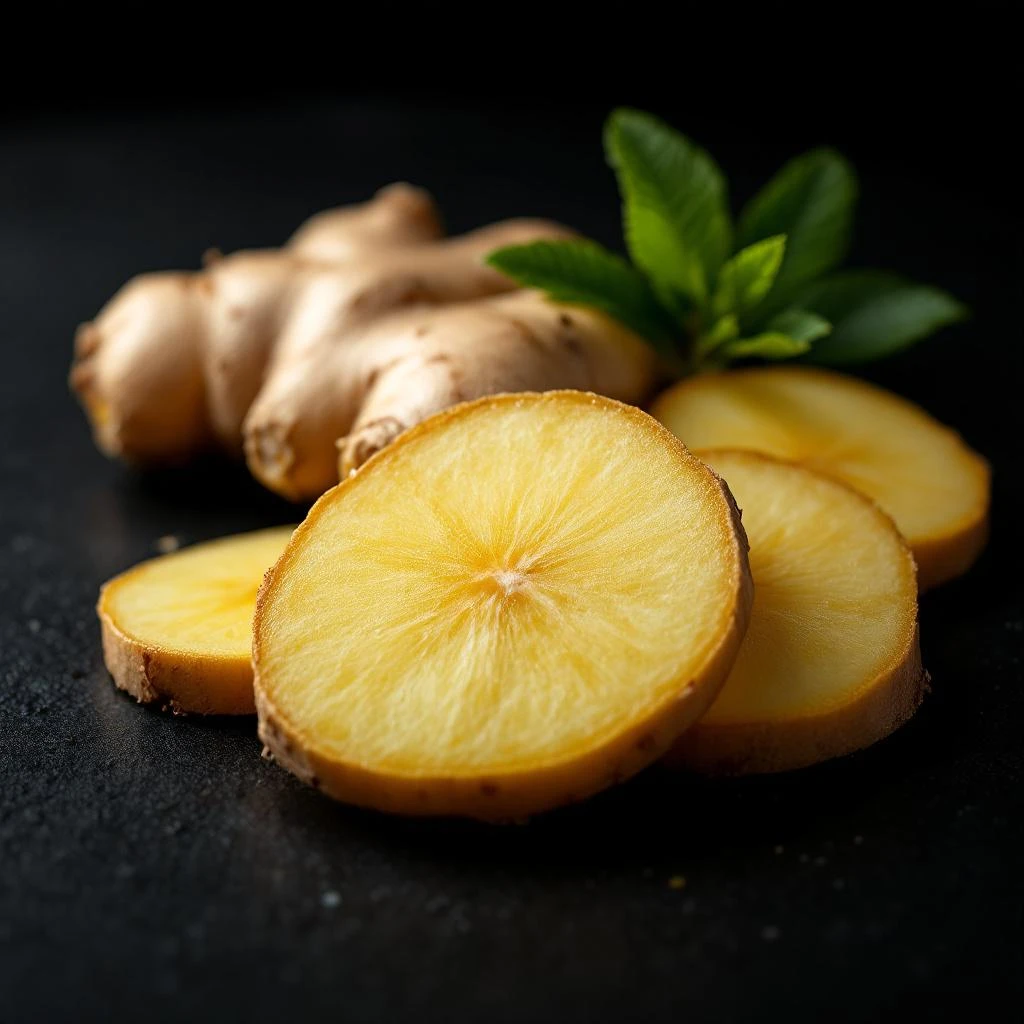
South American Pink Pepper
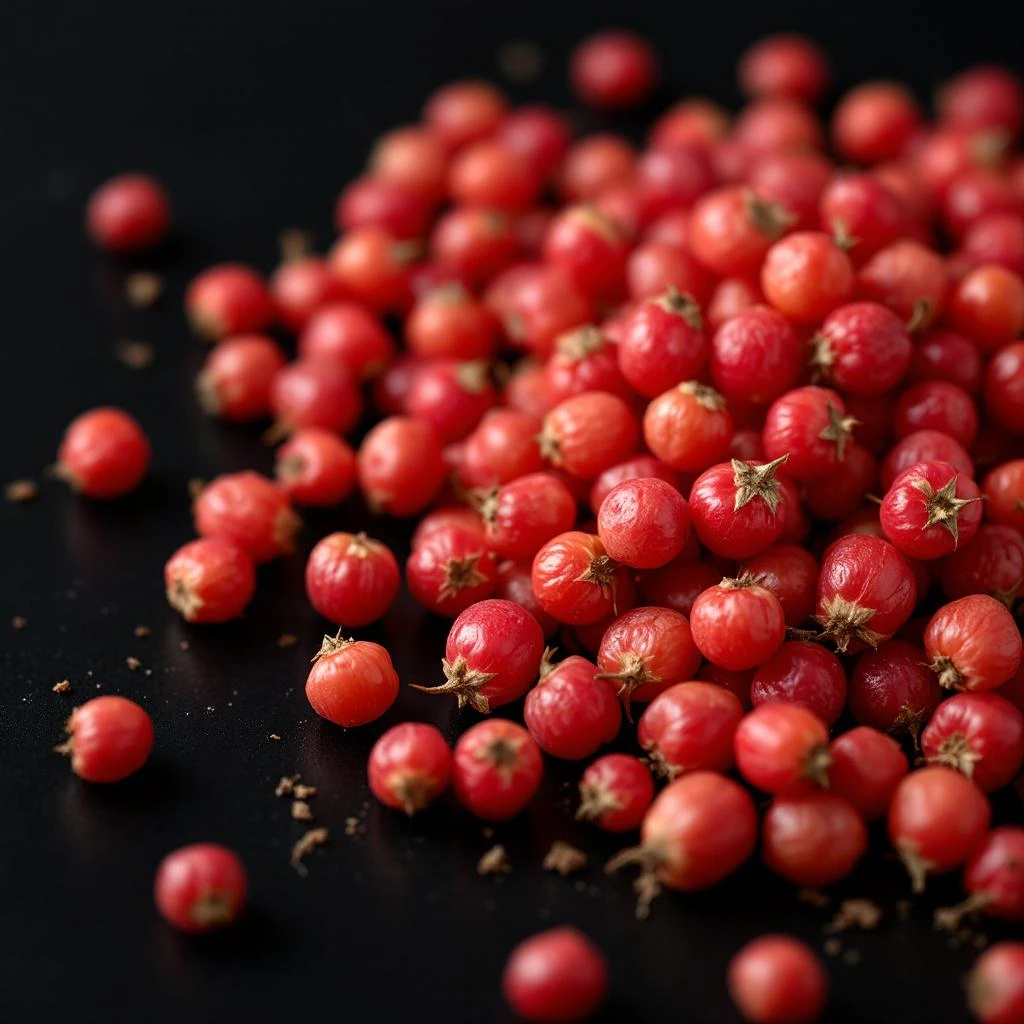
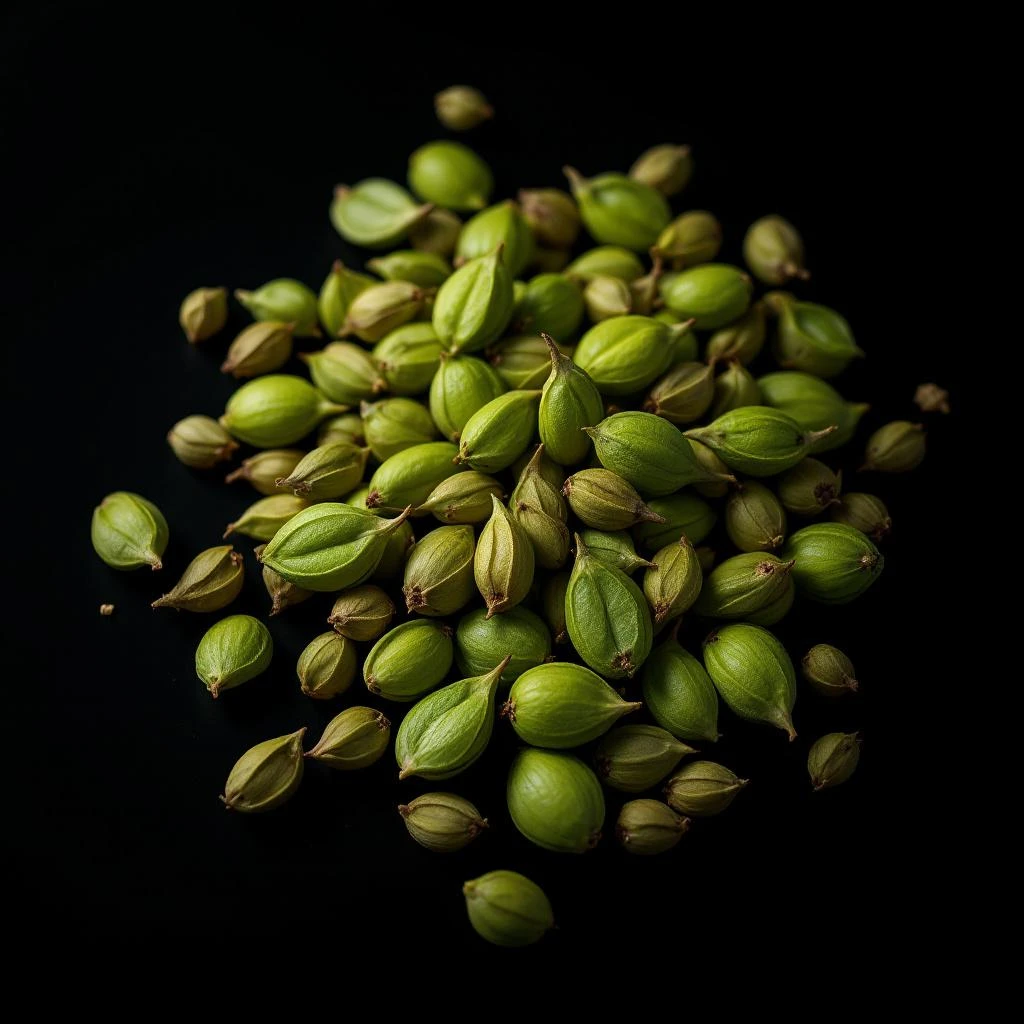
South American pink pepper defies expectations. Technically a berry from the Schinus molle tree, not a true peppercorn, it delivers a bright, rosy warmth with a fruity edge that perfumers prize for lift and luminosity.
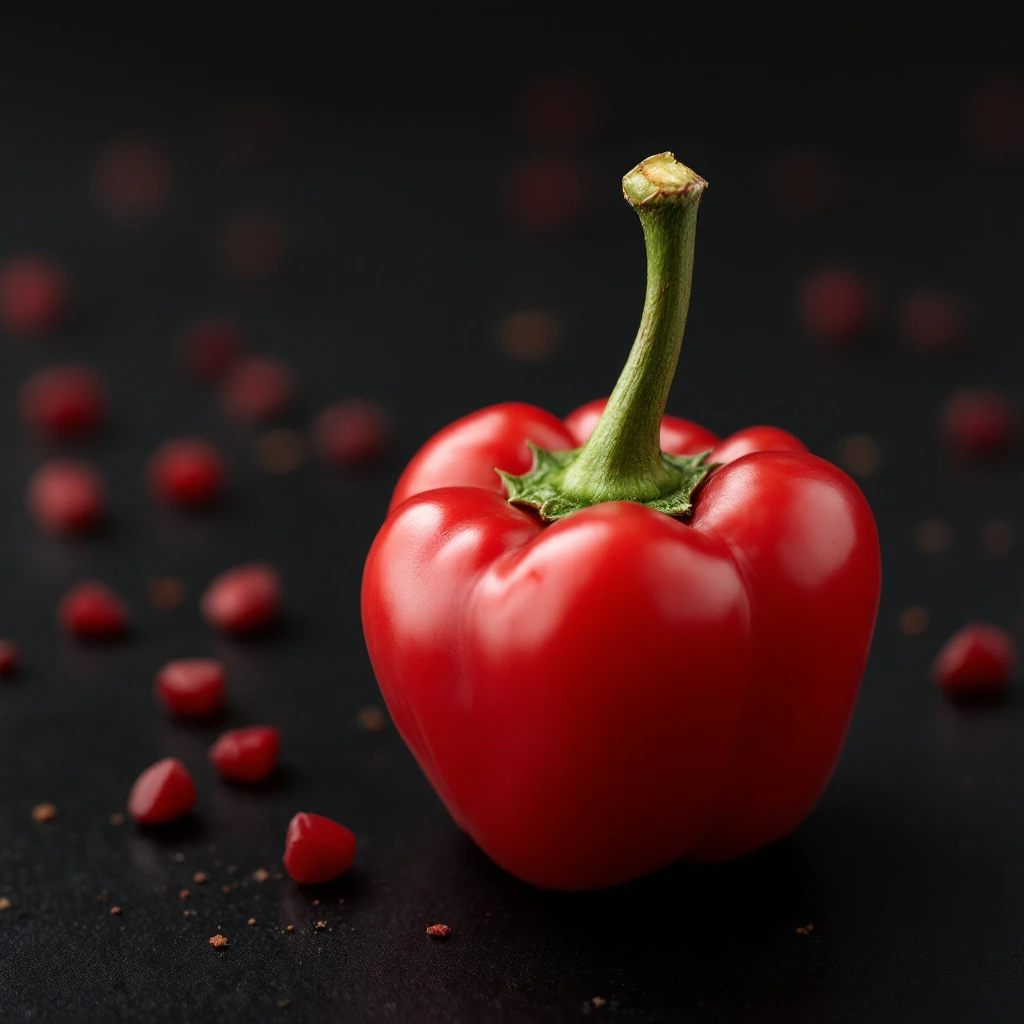
Character
How it smells
A rosy berry that rewrites the spice rules.
Pink pepper belongs to the cashew family, making it a close relative of pistachio and mango—botanically speaking.






Origin
Peru
Indigenous peoples of Peru and Brazil have long utilized the Schinus molle tree—known locally as molle or aroeira—long before European contact. The berries served dual roles: as a culinary spice adding gentle heat to sauces and stews, and as a folk medicine believed to soothe digestive discomfort and respiratory ailments.
Spanish colonists documented the plant's use across the Andean highlands, and it eventually spread through tropical and subtropical regions worldwide. Perfumery's interest in pink pepper emerged more recently, gaining significant momentum in the late 1990s and early 2000s when major fragrance houses sought alternatives to traditional spice accords.
The ingredient offered a novel sensory profile—something between a bright citrus note and a soft spice—that aligned with consumer demand for fresh, modern fragrances. Today, pink pepper appears in hundreds of commercial fragrances spanning masculine, feminine, and unisex categories, celebrated for its ability to energize top notes without the aggressive bite of black pepper.
Wears it best
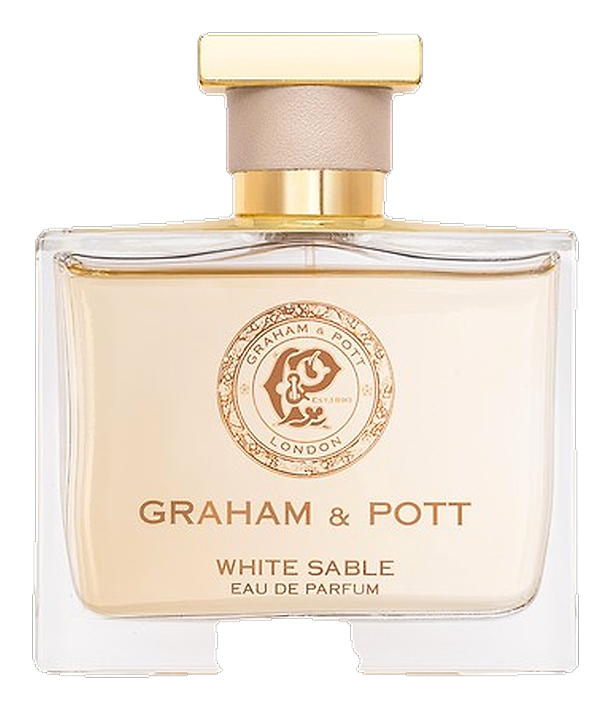
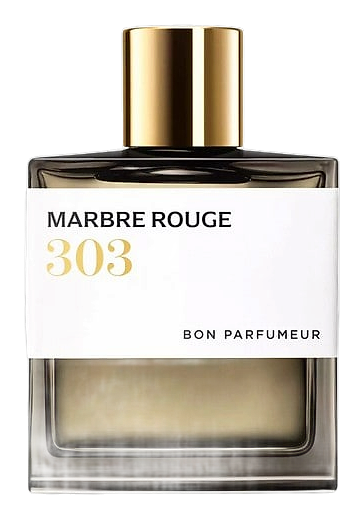
Fragrances featuring South American Pink Pepper
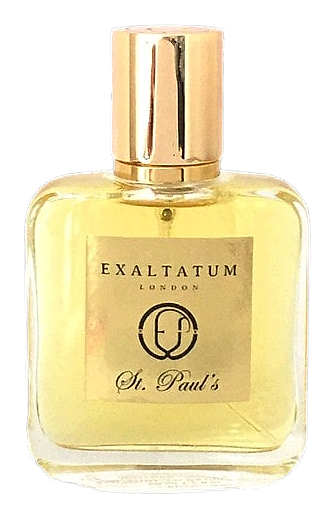
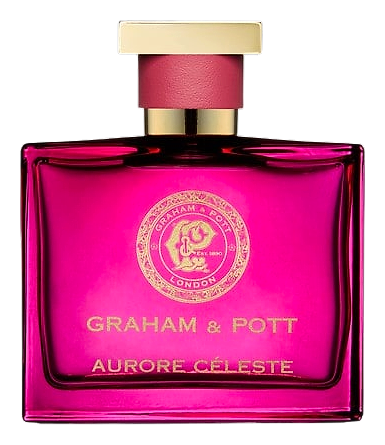
Brands
Brands known for South American Pink Pepper
Good to know
Questions, answered
The essentials on South American Pink Pepper in perfumery: how it smells, where it comes from, and how it behaves on skin.
What does South American pink pepper smell like?
Pink pepper delivers a bright, rosy spice with a distinct fruity undertone reminiscent of ripe berries and citrus zest. It lacks the sharp heat of black pepper, instead offering warmth that feels clean and almost sparkling. The overall impression is aromatic, slightly resinous, and distinctly modern.
Is pink pepper a true peppercorn?
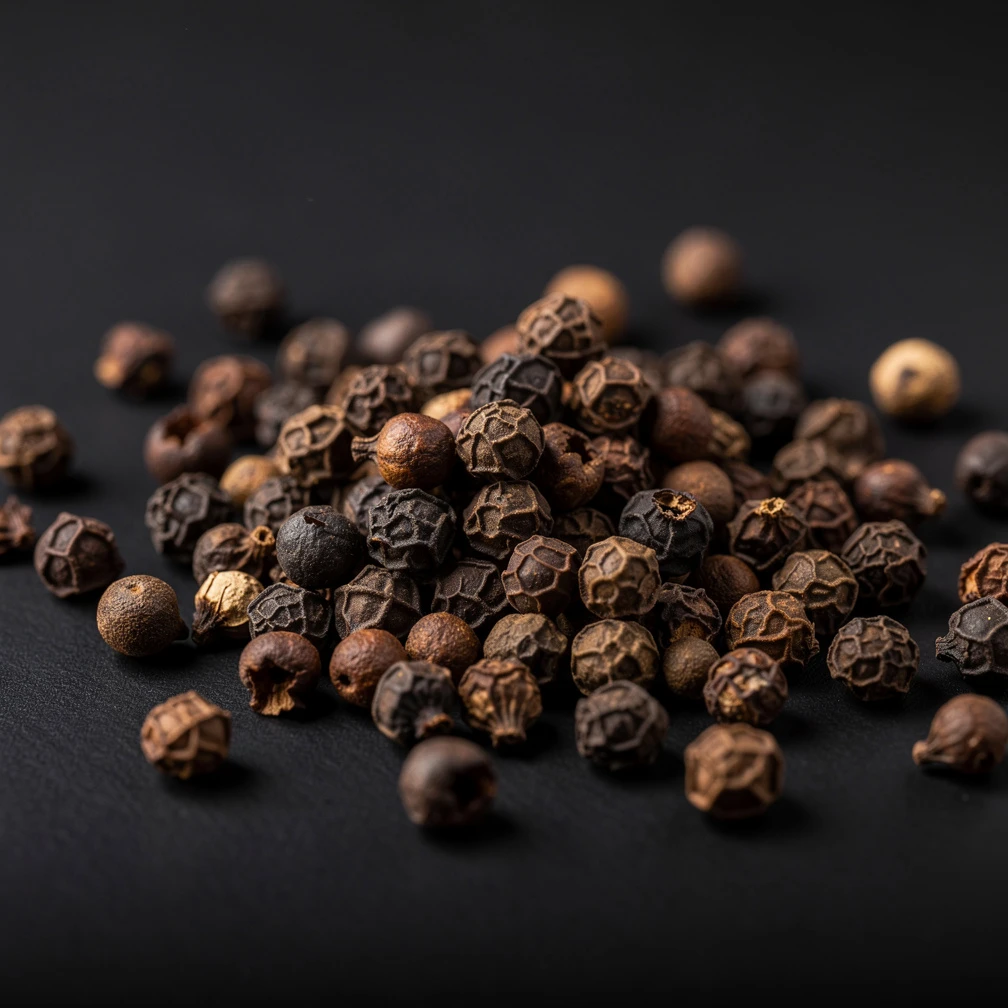
No. Pink pepper comes from Schinus molle, a tree in the cashew family, not Piper nigrum which produces actual peppercorns. Perfumers use it for its aromatic qualities rather than culinary heat, and it presents a fundamentally different sensory profile than black, white, or green pepper.
Where does pink pepper oil for perfumery originate?
Peru is the primary source for high-quality pink pepper used in fine fragrance, particularly from Andean and subtropical growing regions. Brazil and parts of the southwestern United States also cultivate Schinus molle commercially. The Peruvian variety tends to be favored for its balanced aromatic profile and consistent quality.
How is pink pepper oil extracted?
Steam distillation of the ripe berries is the standard method for producing pink pepper essential oil used in perfumery. This process yields a fresh, spicy aroma without the heavier, more resinous compounds that characterize the leaf oil. CO2 extraction is sometimes used to capture a wider aromatic range, including more subtle fruit and floral notes.
What fragrance families use pink pepper?
Pink pepper appears most often in floral, fougère, and woody compositions as a top-note modifier. It pairs naturally with citrus, lavender, cedar, and ambroxan. The note adds brightness and diffusion to heavier bases, making it a staple in modern masculine and gender-ambiguous fragrances since the early 2000s.
Does pink pepper cause allergic reactions?
Pink pepper oil contains safrole and related compounds that may cause sensitization in some individuals. IFRA guidelines regulate its concentration in consumer products. Unlike black pepper, it is not a major allergen in standard fragrance panels, but formulators observe recommended usage limits to ensure skin safety.
Can pink pepper replace black pepper in a fragrance formula?
Pink pepper cannot fully substitute for black pepper, as the two differ significantly in aroma character. Black pepper delivers sharp, dry, penetrating heat, while pink pepper offers soft warmth with fruity brightness. However, a skilled perfumer might use pink pepper to achieve a gentler, more approachable spice accord in a fragrance's top notes.
How long has pink pepper been used in perfumery?
Pink pepper gained widespread adoption in fine fragrance during the late 1990s and early 2000s. The note became a defining ingredient in several commercially successful fragrances released around 2003 to 2006, establishing its reputation as a modern classic and driving subsequent widespread use across the industry.