The Story
Why it exists.
The beginning
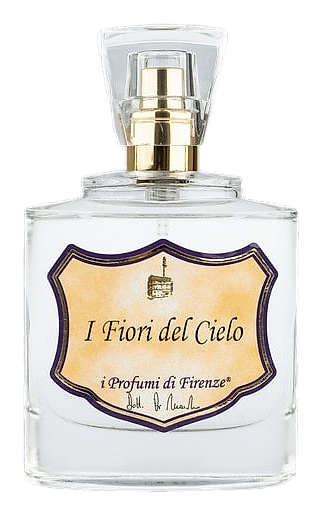
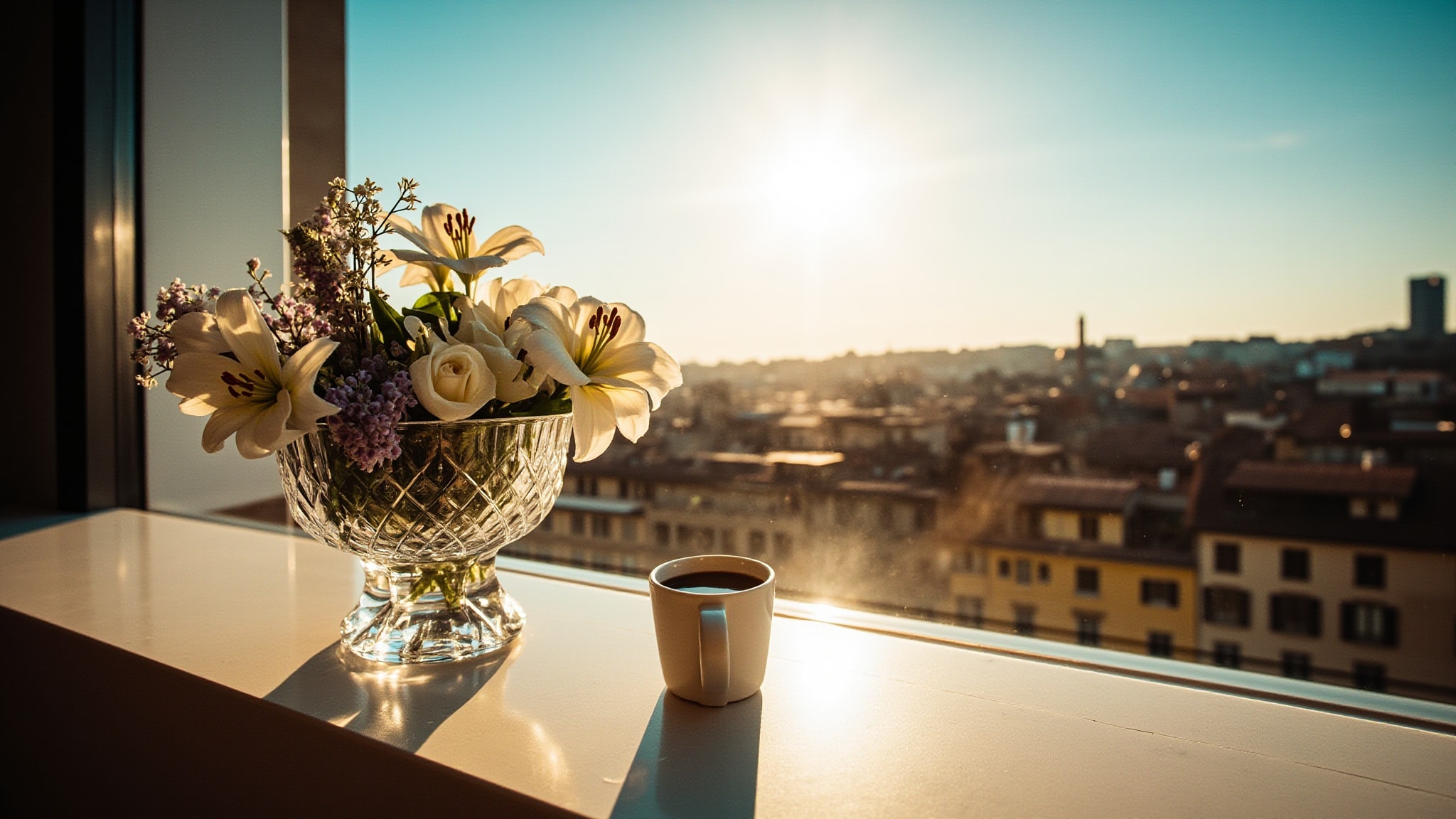
The name says it in Italian: I Fiori del Cielo, Flowers of Heaven. Giovanni Di Massimo designed this fragrance to capture the gardens of Florence at the exact moment when light shifts from blue to gold, before the tourists arrive and long after the street sweepers have gone. The concept was straightforward, bring the city's outdoor beauty indoors, into a bottle, but the execution demanded discipline. Too many florals collapse into noise. Di Massimo's task was restraint, which is harder.
What makes this structure interesting is the hand-off between phases. The citrus top doesn't fade so much as dissolve, leaving space for the green apple and cyclamen to arrive without fanfare. Lilac and lily of the valley are intrinsically quiet, they whisper rather than project, yet in this composition they carry the entire heart without assistance. The jasmine and rose provide warmth without sweetness, which is the difficult part. Most floral bouquets lean either powdery or fruity. This one manages both by keeping each note slightly underweighted, so the sum reads as a coherent garden rather than a collection of flowers.
The evolution
The citrus opening is bright and brief, bergamot and mandarin orange flash for twenty minutes, grapefruit then gone. What replaces them is where this fragrance earns its name. The green apple arrives first, almost crisp, then the cyclamen and lilac settle in, and for a stretch the whole thing reads like a dewy courtyard at seven in the morning. The jasmine and rose don't announce themselves, they deepen the air. Three hours in, the sandalwood and white musk arrive together, warm and clean. The vetiver keeps the drydown honest, slightly green at the edges. On fabric, this lingers into the evening. On skin, it softens to something intimate by dinner.
Cultural impact
Since its 2006 launch, I Fiori del Cielo has occupied a quiet corner of the niche market, worn by those who find mainstream florals too loud and avant-garde compositions too demanding. It sits comfortably alongside early Acqua di Parma and Annick Goutal's garden series, though it lacks the commercial reach of either. The wearer is not trying to announce anything.