
The Story
Why it exists.
The beginning
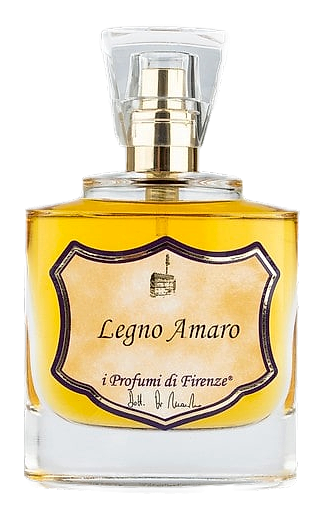
Legno Amaro translates loosely to "bitter wood," and that's the whole thesis in two Italian words. Giovanni Di Massimo composed it in 1989, the year this Florentine pharmacist chose to translate bitter herbs, resinous pine, and a green herbal core into a single composition. I Profumi di Firenze built the fragrance out of a small laboratory in Florence's historic center, working with the kind of measured restraint a pharmacist's training demands. The intent was not to dazzle. It was to bottle something specific: a herbal bitterness, a mossy undercurrent, an herbaceous backbone that defines the scent from the first spray to the last trace on skin. Legno Amaro reads like an apothecary's confident prescription rather than a perfumer's crowd-pleasing gesture.
What's genuinely unusual here is the lettuce note sitting in the heart, alongside petitgrain and a vague floral layer. Lettuce in fragrance is uncommon enough to make you check the note pyramid twice. It functions somewhere between the bright herbal top and the heavier oakmoss-animalic base, offering a cool vegetal quality that softens the transition without rounding it off. Pair that with artemisia, a bitter, almost medicinal herb, opening the composition and you get a fragrance that leans unapologetically into the green-bitter register most modern releases sidestep.
The evolution
The first minutes hit like a cold slap of pine and lemon, sharp and slightly bitter, with artemisia curling underneath like something medicinal you can't quite name. Bergamot adds a thin citrus skin over the whole thing, keeping it from feeling purely outdoorsy. As the composition settles, the green sharpens in a different direction: lettuce and petitgrain create a watery, almost vegetal coolness, the kind of green that smells more like crushed leaves than a perfume counter. A vague spicy-floral murmur sits beneath it, but this phase is fundamentally about herbs. Eventually the oakmoss starts pulling the composition downward, and the animalic note shows up quietly in the way oakmoss does best: warm, slightly furry, faintly sensual without ever becoming obvious.
Cultural impact
Legno Amaro has earned a quiet following among wearers who value bitter-green compositions over the sweeter mainstream. It appeals to anyone drawn to the unapologetic earthiness of older men's fragrances, offering a register that doesn't chase trends or soften its edges to stay current. The oakmoss-animalic drydown especially resonates with wearers who appreciate when a scent refuses to sand down its rougher qualities. The bitter-herbal character, anchored by artemisia and reinforced through the lettuce heart, gives it a specificity that mass-market releases rarely attempt.