The Story
Why it exists.
The beginning
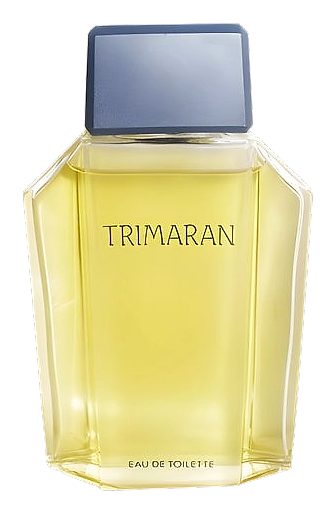
Trimaran appeared in 1986 as a French men's eau de toilette built around citrus and wood, a straightforward brief for the era. The composition draws on bergamot and Amalfi lemon in the opening, spices in the heart, and a woody base of sandalwood and cedar. It sits firmly within the clean, daytime register that defined much of men's fragrance at the time. The juice itself is lighter than the aromatics of the late seventies and early eighties, with a freshness that reads as deliberate rather than accidental. What separates it from the broader category is how precisely the notes are handled. The citrus opening is bright but not thin, and the transition into the spices is smooth enough to suggest the formula was tested and adjusted rather than thrown together.
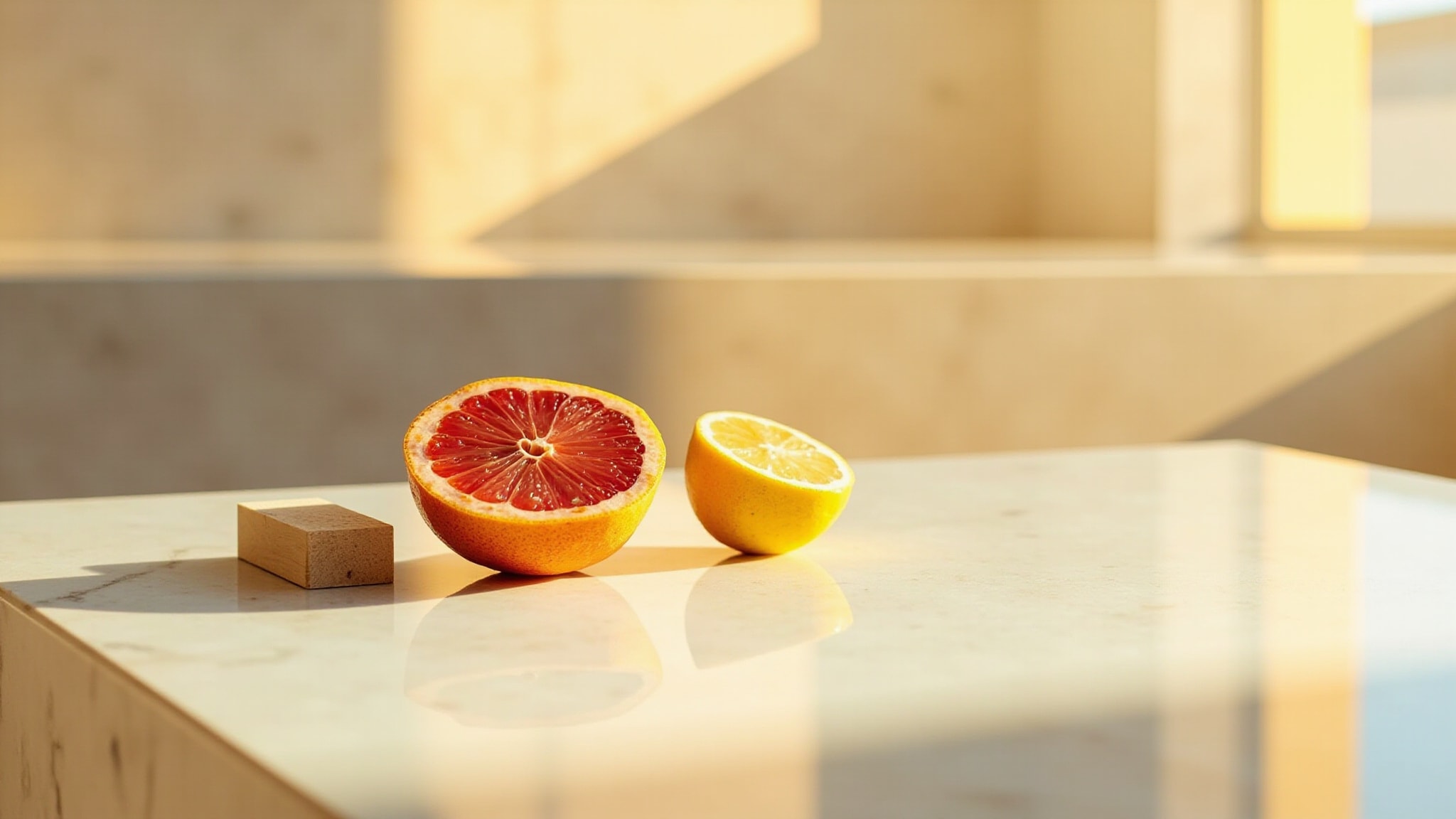
The composition is deliberately small. Four citrus oils on top, two spices in the heart, two woods in the base. Nothing more. The structure is built on contrast: brightness from the citrus, warmth from the spices, dryness from the woods. The choice of Amalfi lemon alongside bergamot gives the opening a specific sweetness, something almost edible, before the nutmeg and coriander redirect it back to dry and aromatic. That pivot from sweet citrus into warm spice is the hinge of the composition.
The evolution
The first twenty minutes are loud. Bergamot, Amalfi lemon, mandarin, grapefruit all hit at once, sharp enough to register from a handshake away. The citrus reads almost jammy at the start, layered and bright, before the individual notes begin to separate. Then the citrus quietly reorganizes. Coriander arrives first, green and slightly peppery, followed by nutmeg that adds warmth without sweetness. That middle window is where the fragrance earns its reputation. It smells less like a cologne and more like something botanical, herbal-adjacent, almost edible. The coriander gives it a faintly peppery lift, while the nutmeg rounds things out with a quiet, woody sweetness that never crosses into gourmand territory. Five hours in, the citrus has burned off and only the cedar and sandalwood remain. The drydown is dry, close to the skin, woody rather than sweet. No animal warmth, no amber resin.
Cultural impact
Trimaran has the feel of a personal discovery rather than a mass-market launch. It doesn't show up in heavy rotation in advertising archives or splash across the covers of men's magazines from the late eighties, which gives it the quality of something passed between people who actually wear fragrance. Wearers tend to describe it as the scent of someone who skipped the trend cycle entirely. It doesn't read as dated, and it doesn't try to be fashionable. The citrus-spice-wood structure is simple enough to feel familiar, but the proportions are specific enough to give it its own character.