
The Story
Why it exists.
The beginning
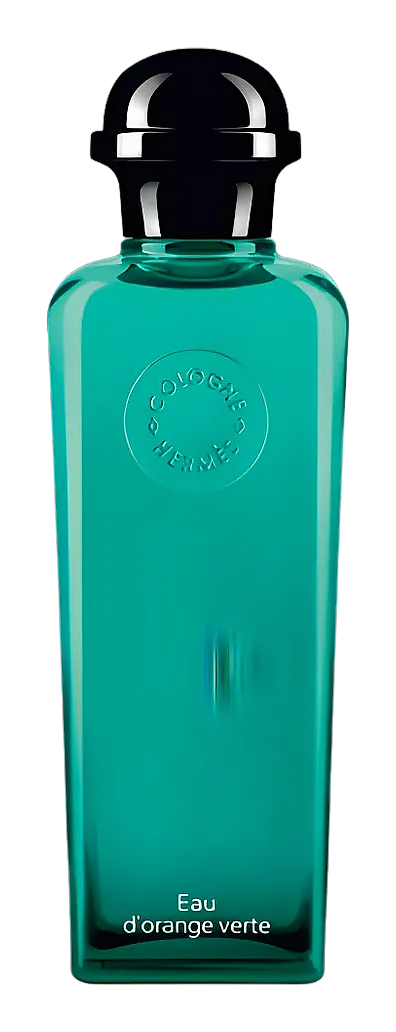
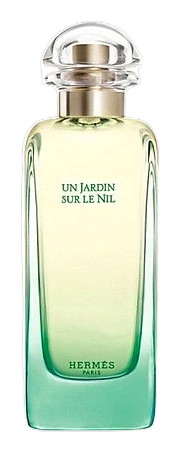
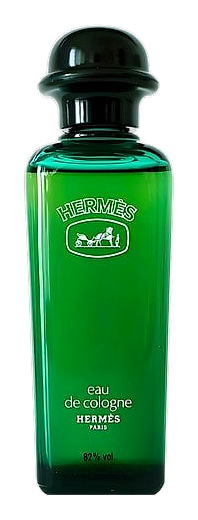
Françoise Caron built this in 1979, a reimagining of the classic cologne form under the watchful eye of Edmond Roudnitska, who had composed the house's first fragrance, Eau d'Hermès, back in 1951. The brief was simple: take the cologne tradition and make it something worth wearing in a different era. Caron understood that a cologne is never just about freshness, it's about restraint, about knowing when to stop. She worked with Roudnitska's guidance to create a composition that honored the form without becoming a museum piece.
The top accord is a study in abundance. Eight notes, bergamot, lemon, basil, coriander, mandarin orange, mango, mint, papaya, and yet nothing fights for attention. The citrus opens bright and clean, the way a good cologne should, but then the tropical notes slide in quietly: mango, papaya, a suggestion of mint that makes the bergamot feel less French and more Mediterranean. The basil and coriander anchor everything so it doesn't turn sharp. What Caron understood is that freshness needs structure, otherwise it's just smell. The heart, orange leaf, honeysuckle, neroli, lavender, rosemary, keeps the garden going. Not a green revolution, but a garden that feels lived-in.
The evolution
The opening hits clean. Five minutes in, bergamot and lemon lift off the skin like morning air, bright, immediate, no hesitation. Mandarin orange and the tropical notes arrive next, mango and papaya giving the citrus a warmth that feels less like a laboratory and more like fruit left in a bowl. Mint keeps everything breathing. By the time you hit thirty minutes, the heart takes over: orange leaf and neroli arrive quietly, then honeysuckle and lavender soften the herbal edge. This is where the cologne stops announcing itself and starts being itself. The drydown is where Caron's work pays off. The citrus fades but doesn't disappear, it recedes into the composition. Cedar and sandalwood form the backbone, with oakmoss and patchouli adding an earthy depth that feels neither old nor new. Musk wraps everything in a quiet warmth that lingers close to the skin for hours.
Cultural impact
Hermès approached the late 1970s the way it approaches everything: without rushing. This cologne became a quiet favorite among those who value restraint, its discontinued status only adding to its appeal for collectors. The guidance of Edmond Roudnitska, the house's founding olfactory voice, shaped Caron's reformulation and kept the work connected to Hermès' earliest standards. It's a cologne that feels less like a product and more like a statement about what timeless refinement looks like.