The Story
Why it exists.
The beginning
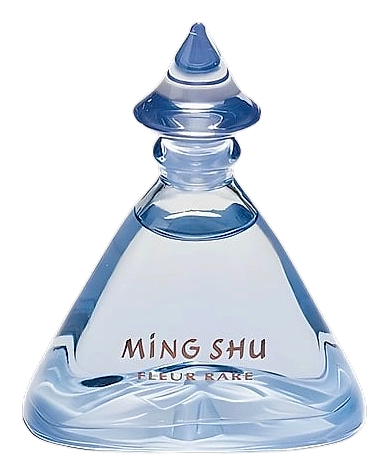
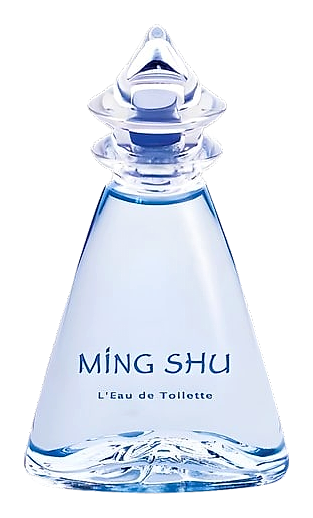
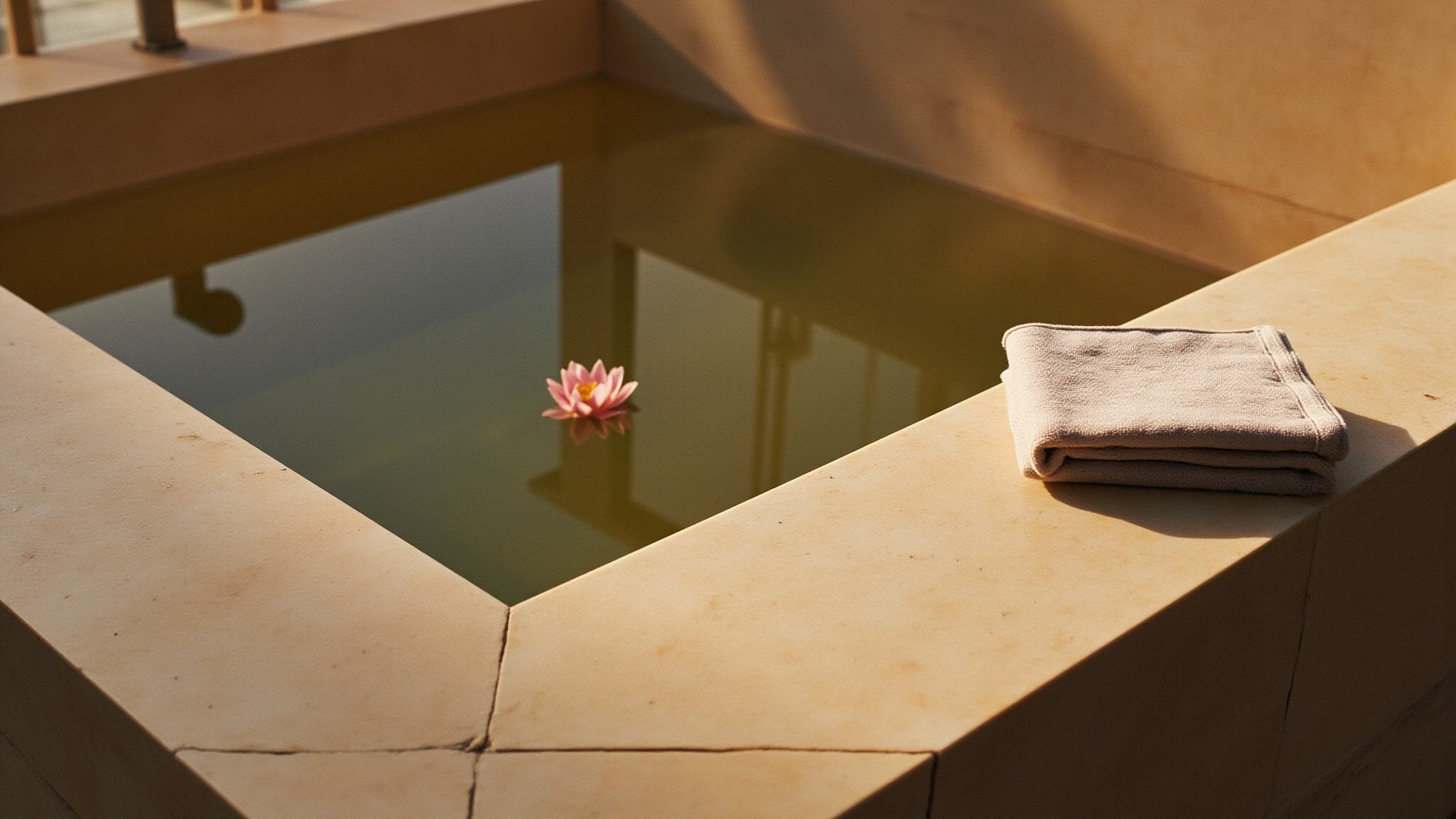
Ming Shu belongs to a period when certain fragrance houses began treating water not merely as a metaphor for freshness, but as a material to be rendered in its own right. Rather than the loud florals or citrus colognes that dominated the era, this composition looks inward. The fragrance draws on aquatic elements that suggest depth and stillness, making the pond rather than the garden its point of reference. What results is a scent that asks for patience and rewards it.
Water lily and lotus occupy the heart of this fragrance. They arrive together and neither one asks for attention. The structure rewards patience. Aquatic notes can read as synthetic or flat in the wrong hands, but the composition keeps things grounded. The woody base of cedar and sandalwood does the work of anchoring what might otherwise drift away entirely, with a whisper of vanilla adding an unexpected softness to the drydown.
The evolution
The opening is sea salt and ripe peach. Then the florals take over, not a single bloom announced, but water lily and lotus drifting forward together. Soft. Waxy. Neither competing nor arriving quickly. Musk arrives in the drydown first, almost undetectable, before cedar surfaces and sandalwood settles the whole thing into something creamy and close. The vanilla appears late, barely there, just enough to keep the skin warm. It doesn't fill a room, but that's never the point. It stays close.
Cultural impact
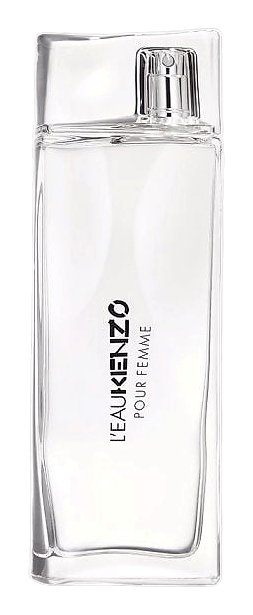
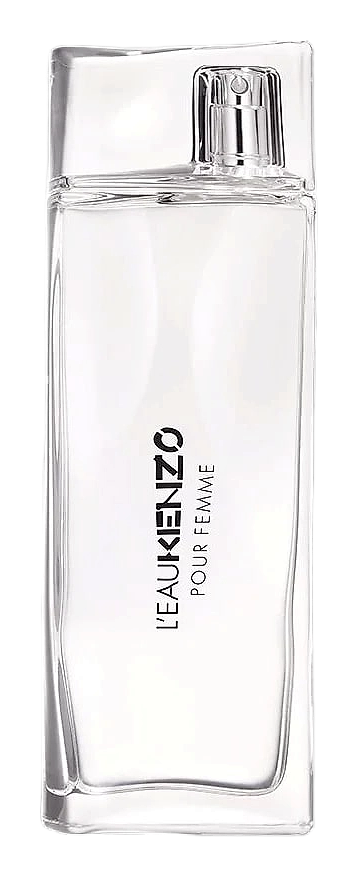
Ming Shu launched during the 1990s, a period when aquatic notes appeared in numerous women's fragrances. Similar to L'Eau d'Issey and Kenzo's L'Eau par Kenzo from the same era, Ming Shu occupies a particular space within that broader category. Its approach is quieter, less assertive than some of its contemporaries, designed to remain close to the skin rather than announce itself across a room.