
The Story
Why it exists.
The beginning
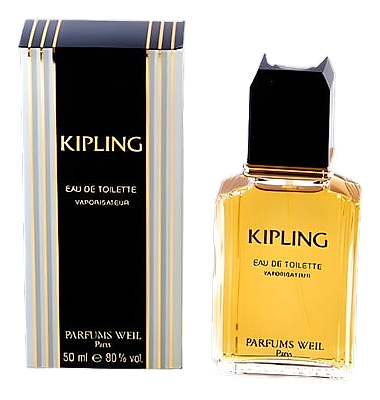
By the time Kipling arrived, Weil had already built a reputation rooted in restraint and material intelligence. Jean-Pierre Mary, the perfumer behind the composition, worked in a house tradition that valued texture over statement. The result was an aromatic leather that smells less like cologne and more like a jacket left by the door after a long trip. No sparkle. No theatrics. Just materials doing the talking. The scent opens with a quiet authority, the kind that doesn't need to announce itself in order to be felt. What Mary composed here feels closer to a piece of clothing than a perfume. You wear it the way you'd pull on a well-broken leather coat, something that's already shaped itself to whoever came before. There's a stillness to Kipling that rewards slow attention.
What makes Kipling interesting is the tension at its spine. The aromatics, artemisia and juniper, lavender and basil, belong to the sharp, herbal register. But underneath them sits a thicket of pine, a dusty geranium, a carnation that reads almost spice-jar. The base pulls harder still: oakmoss, leather, patchouli, musk, cedar. The artemisia and oakmoss do the heavy lifting, giving it that mossy-green sourness that defines the composition's character. There's a friction between the bright herbal top and the dense earth below, and Kipling lives in that friction rather than resolving it.
The evolution
The first thirty minutes belong to artemisia and juniper, with lavender and bergamot softening the corners. Pine threads through almost immediately, giving the opening a cold, resinous current that never really leaves. After the first hour, the herbal warmth of basil and the peppery edge of carnation start to surface, and the composition thickens. Geranium adds a metallic-green sharpness that keeps the whole thing from going sweet. By hour three or four, the leather and oakmoss have taken over. The leather here is not smooth. It has a sour, pyralone-tinged edge, almost urinous in the civet tradition, and it does not soften with time. Patchouli grounds the base in earth, cedar cools it from below, and the musk holds everything together long into the day. On a wool sweater the next morning, the oakmoss is the last thing left.
Cultural impact
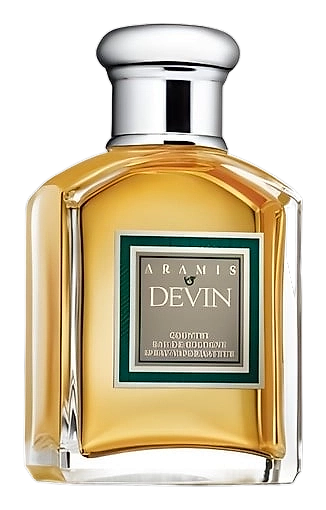
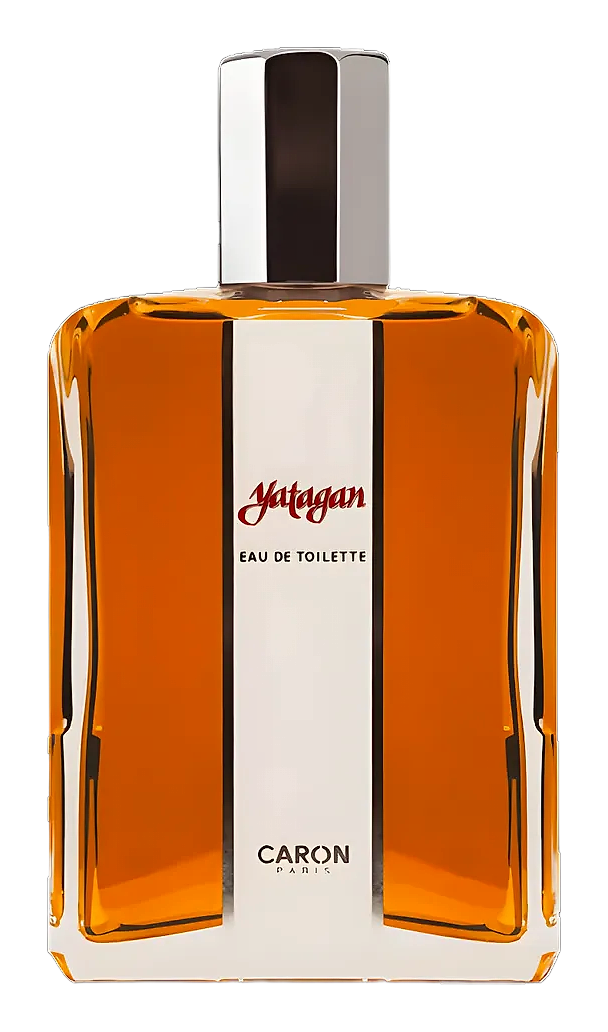
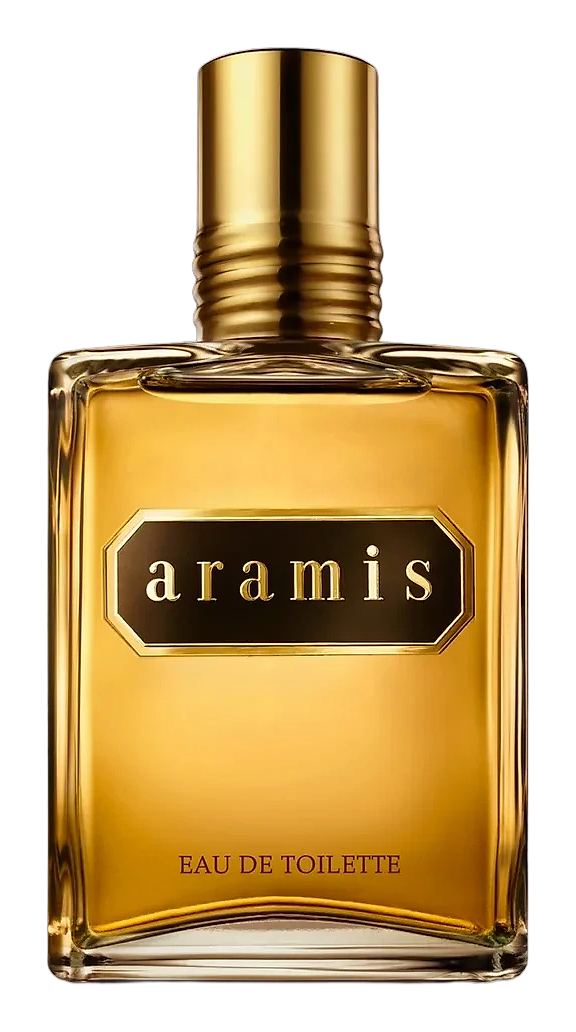
Wearers describe Kipling as the scent of someone who walks into a bar in October wearing a leather jacket and does not need to explain why they are there. The fragrance carries a mossy, herbal character with a sour leather drydown that rewards patience. Production was apparently discontinued, which has only added to the quiet mythology around the composition. It shares shelf space with other aromatic leathers of its era, including Yatagan by Caron and Devin by Aramis, and it sits comfortably in that company without trying to outshine any of them. Kipling doesn't beg for attention. It rewards it.
The House
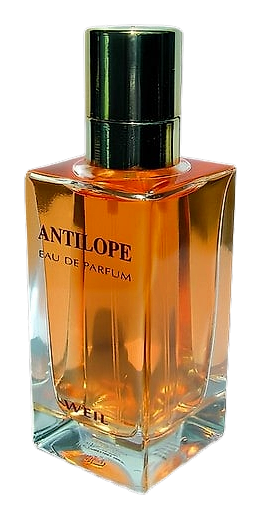
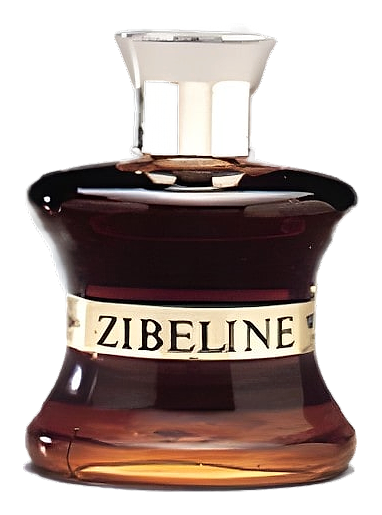
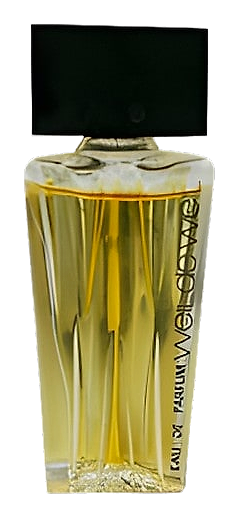
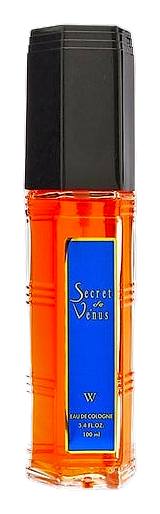
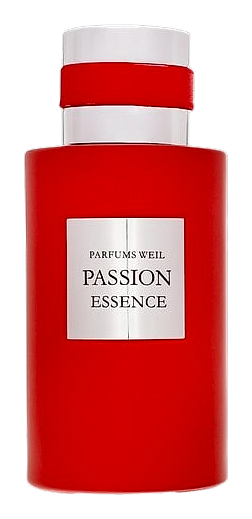
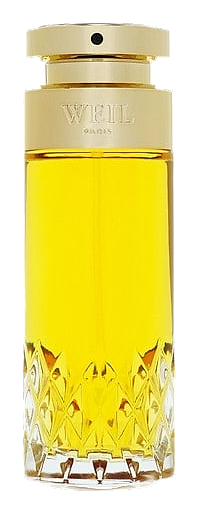
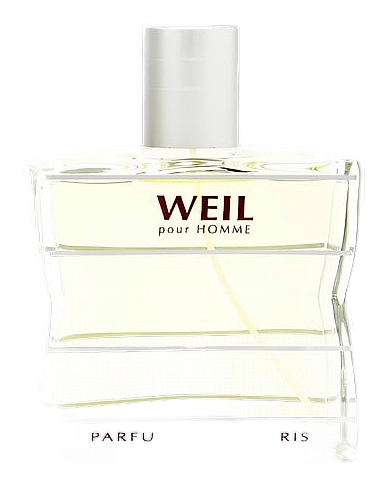
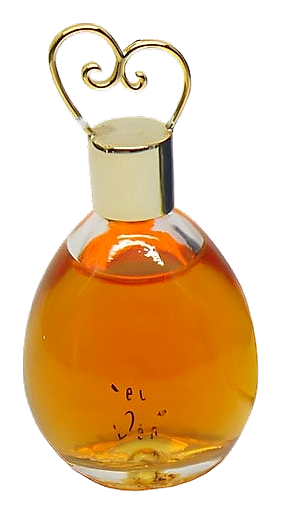
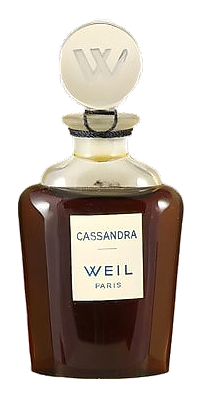
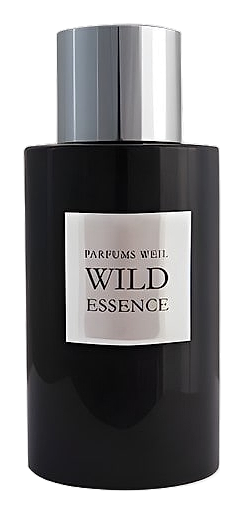
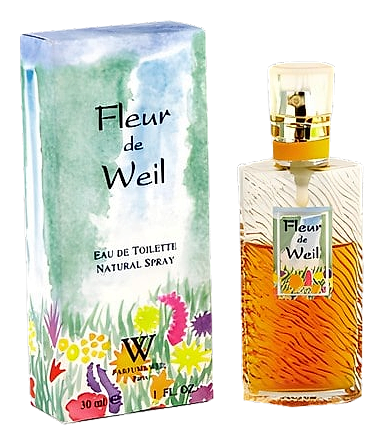
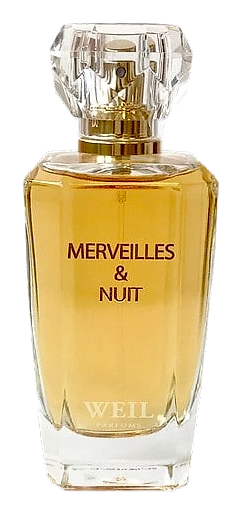
WeilWeil began as a Parisian fur workshop before turning its needle into a scent‑making needle. In 1927 the family launched its first perfume, borrowing the tactile language of fur to craft fragrances that whisper of soft skins and quiet elegance. Today the house balances a century‑old legacy with a fresh, understated modernity.
The Creator
Jean-Pierre MaryMary's work with Dolce&Gabbana reveals a predilection for rich, enveloping textures. He gravitates toward deep florals and resinous woods, building fragrances with a generous sillage that commands presence without aggression.