The Story
Why it exists.
The beginning
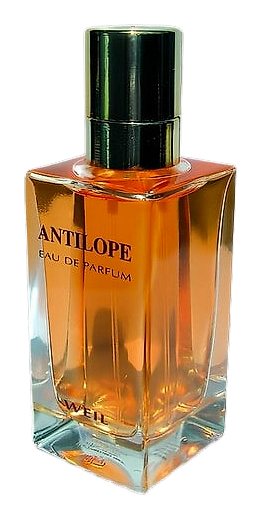
Zibeline, launched in 1927, was a powdery composition that smelled the way fine fur looks, soft, dense, and tactile. That same instinct toward texture carried forward into Antilope, composed in 1946. The name means antelope, and the reference is clear: sleek, supple, the particular grace of a hide that moves with the body rather than against it. Fraysse built Antilope the way a tailor cuts a coat, with aldehydes for that pressed-clean sheen, iris and violet for the nap of soft skin, and a mossy, leathery base that clings like warmth after you step inside from the cold. The composition reads as a study in contrasts from the first breath, cool and warm at once, floral yet grounded by something distinctly mineral.
What makes Antilope interesting is the tension between its aldehydic brightness and its mossy, almost earthy base. The aldehydes lift everything upward, giving the florals an almost metallic clarity, as if the flowers were photographed rather than painted. But underneath, oakmoss, vetiver, and sandalwood pull the composition back to ground. The carnation adds a dry, clove-like spice that keeps the sweetness in check. It is a fragrance built on contrast: airy yet grounding, floral yet almost mineral, vintage yet not dated. The aldehydes do something specific here that they don't always do.
The evolution
Antilope opens with a burst of aldehydes, sharp and sparkling, the olfactory equivalent of stepping out of a warm room into a bright winter morning. Bergamot and neroli sweeten that initial crackle, adding a slightly bitter, sun-dried quality that feels distinctly 1940s in its restraint. The aldehydes fade within the first half hour, making way for a generous floral heart. Iris is the star here, powdery and cool, surrounded by rose, jasmine, violet, lily of the valley, and a thread of carnation that adds a dry, almost peppery edge. Clary sage brings an herbal, hay-like warmth that keeps the bouquet from going too sweet. This is the longest phase, unfolding slowly as the florals settle into their full arrangement. The drydown is where Antilope becomes itself.
Cultural impact
Antilope is not a household scent. It was never meant to be. It belongs to a tradition of quiet, old-world French perfumery that rewards proximity over projection, compositions built for the wearer rather than the room. Its association with the Weil fur house gives it a particular cultural resonance. This is a fragrance designed to smell like texture, like the feeling of a well-cut coat, like the weight of fabric settling around the shoulders. For wearers who want something gentle, historically grounded, and unapologetically understated, Antilope offers exactly that, without any of the modern noise.