The Story
Why it exists.
The beginning
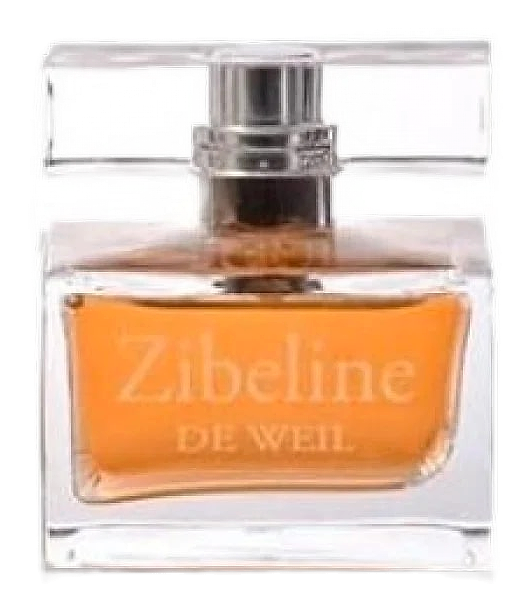
Weil launched Zibeline in 1928, and the name alone carries weight, borrowed from the dense, lustrous fur it's named for. The house returned to that starting point in 2011 with Zibeline de Weil, a modern interpretation of the name that began the Weil catalogue. Where the original leaned aldehyde, the 2011 version deepens into something softer and more edible. Prune opens where citrus once played, ylang-ylang fills the space aldehydes used to occupy, and the base settles into benzoin and marron glacé, a confectioner's take on the composition that first carried the house's name. Zibeline de Weil doesn't simply reissue an old formula. It revisits the idea, swapping sharp aldehydic sparkle for a denser, sweeter architecture that feels like the same gesture translated through a different decade.
Zibeline de Weil replaces aldehydic brightness with a darker, sweeter entry, prune instead of crisp bergamot. The wallflower in particular does heavy lifting here, pulling the composition toward a cosmetic warmth that feels like stepping into a vanity where someone has just put down a powder compact. Aegean wallflower adds a faint herbal thread that keeps the sweetness from tipping into syrup. Tonka bean settles into the base alongside benzoin, adding a coumarin sweetness that almost reads gourmand but pulls back just in time.
The evolution
The first ten minutes are where prune does its work, dense and almost jammy, a dark fruit note that hovers between compote and dried plum, with ylang-ylang riding underneath like a heavier breath. Calabrian bergamot is there but only as a gesture, a thin line of brightness that disappears fast. By the thirty-minute mark the composition has shifted, and the wallflower begins to surface with that distinctly cosmetic softness, like pressing your nose into a cashmere scarf that's been sitting near a perfume tray. Sweet pea adds a green whisper that keeps things from going fully confectionary, and the bitter orange blossom creates a contrast that makes the sweetness land harder. The wallflower in particular carries a cosmetic, almost lipstick-like quality, the kind of floral warmth that recalls a vanity rather than a garden.
Cultural impact
Zibeline de Weil sits comfortably among fragrances that feel like they belong to another decade. Wearers reach for it not because it's bold, but because it's complete, the kind of scent that makes a cashmere sweater smell expensive. The composition reads as a study in warmth and restraint, with no single note pushing forward to demand attention. Instead, prune, wallflower, benzoin, and marron glacé work together to create something cohesive and slow-revealing.