Marron Glacé
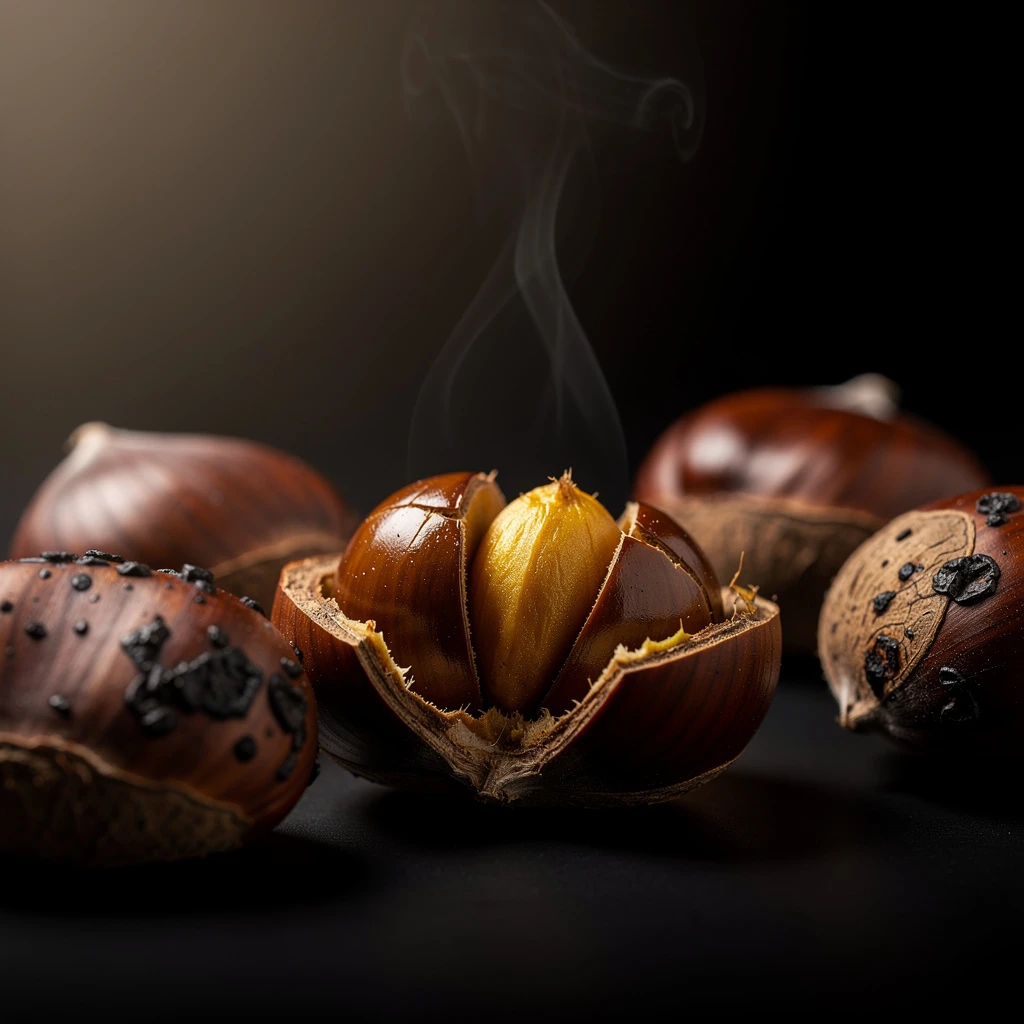
Marron Glacé brings the warm, candied sweetness of chestnuts to perfumery. This edible-inspired note evokes roasted nuts glazed in sugar syrup, offering a cozy sweetness that adds depth and comfort to fragrances.
Character
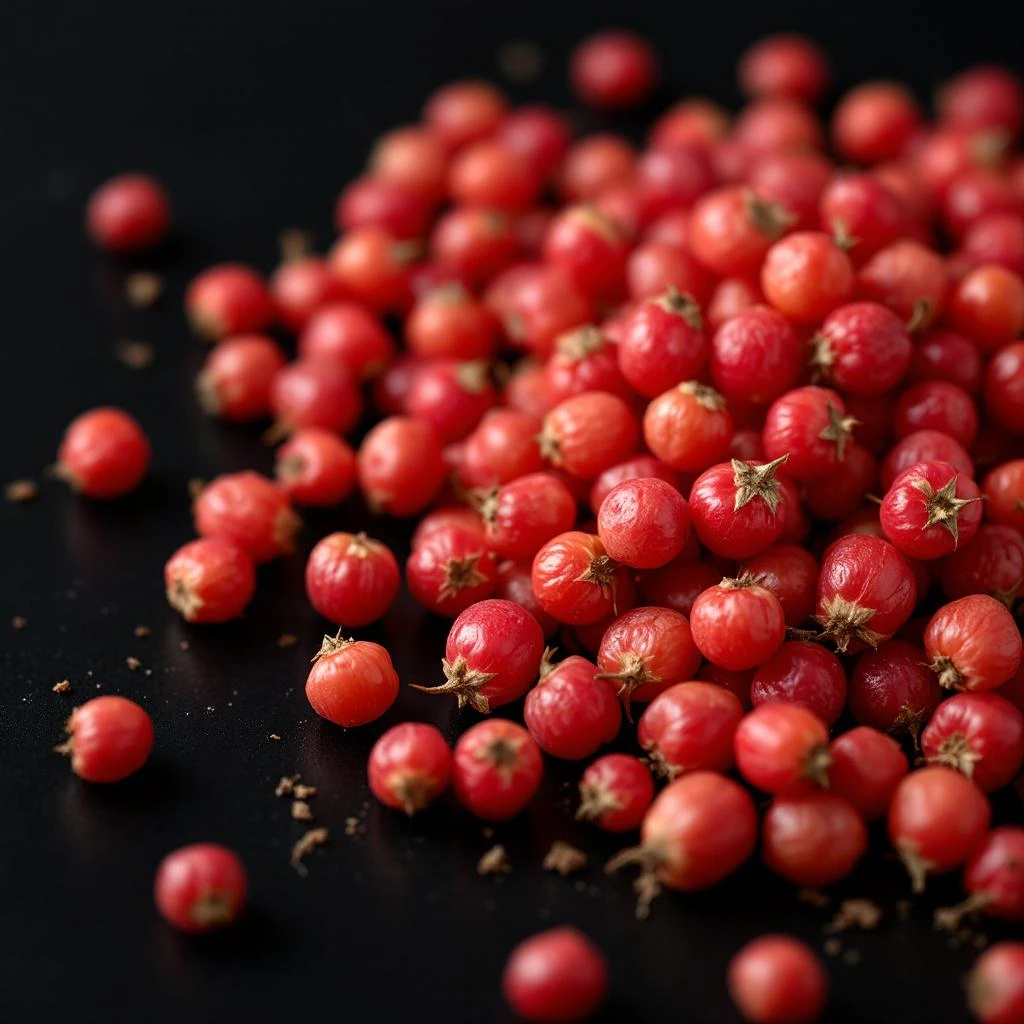
How it smells
Candied chestnut warmth for gourmand perfumery.
The Ardèche region of France produces 80% of the world's marrons glacés, with Clément Faugier founding the first industrial chestnut cannery in 1880.


Origin
France
Chestnut cultivation spans millennia across Eurasia, with Ardèche in southeastern France becoming the world's premier growing region by the Middle Ages. Local populations consumed chestnuts as staple food, drying them on communal racks called claquets. Industrial production arrived in 1880 when engineer Clément Faugier built the first factory in Privas, Ardèche, introducing systematic candying techniques.
His method involved scoring raw chestnuts, boiling them repeatedly in increasingly concentrated sugar syrup over several days. The process transformed perishable nuts into shelf-stable delicacies that became French culinary icons. Perfumers later adopted the flavor profile, recognizing that warm, sweet, nutty quality translated compellingly to fragrance.
Today, Marron Glacé accords appear in gourmand and chypre compositions, though the note remains relatively rare due to its complexity to execute well.
Wears it best
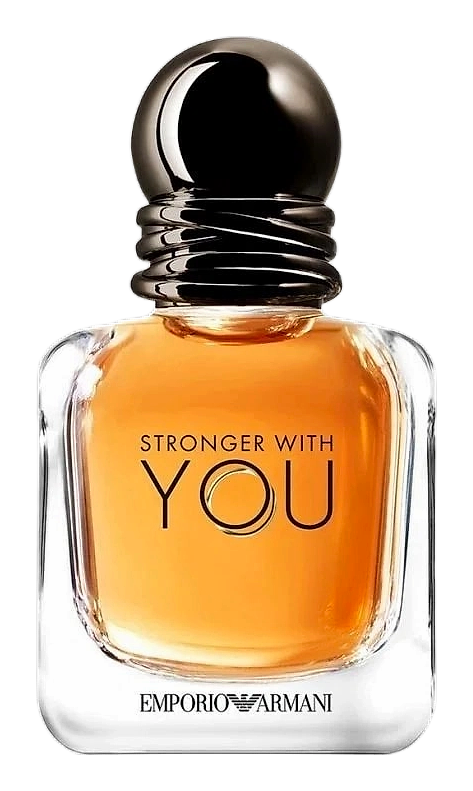
Fragrances featuring Marron Glacé
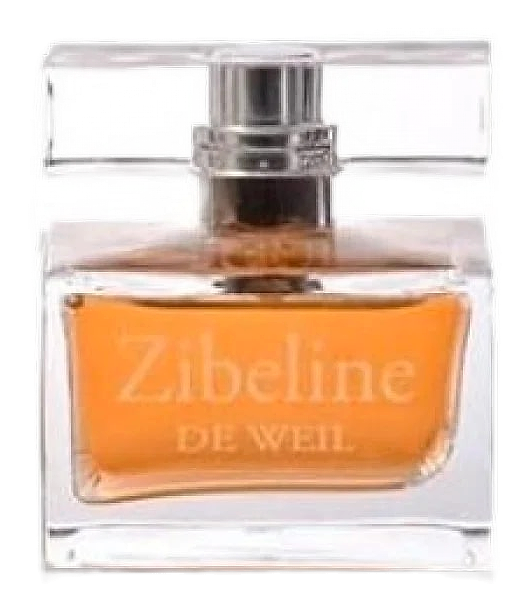
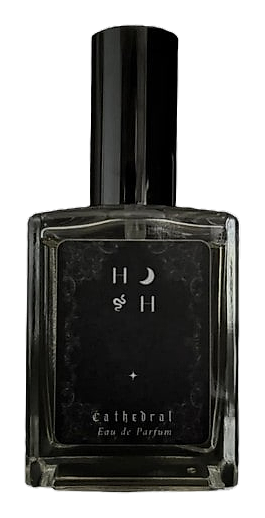
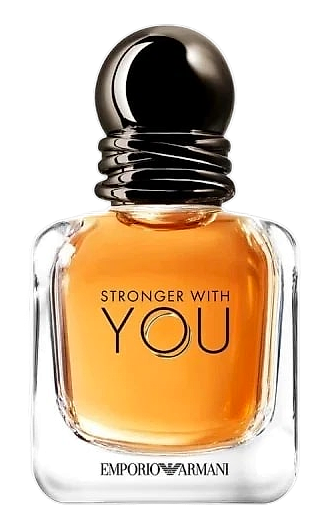
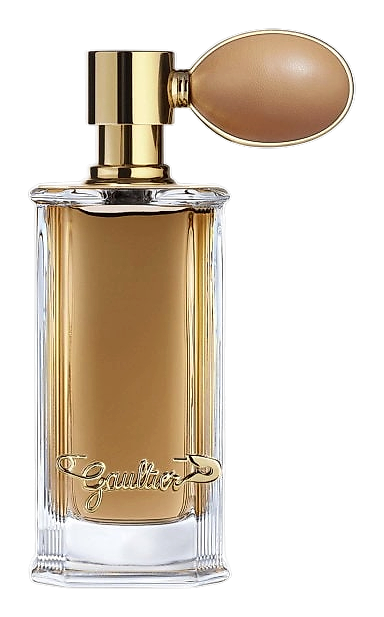
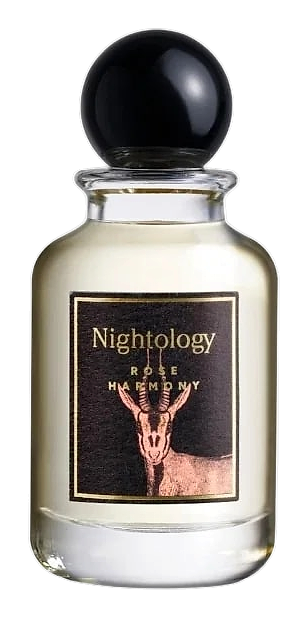
Brands
Brands known for Marron Glacé
Good to know
Questions, answered
The essentials on Marron Glacé in perfumery: how it smells, where it comes from, and how it behaves on skin.
Is Marron Glacé a natural or synthetic ingredient?
Both forms exist. Natural Marron Glacé comes from solvent extraction of chestnut material, producing a concrete and absolute. Most fragrances use synthetic accords that layer materials like damascenone, vanillin, and coumarin to recreate the candied character accurately.
What does Marron Glacé smell like?
Marron Glacé combines sweet caramelized sugar with nutty, woody undertones and a hint of vanilla. The overall effect is warm, edible, and comforting, like autumn dessert distilled into scent form.
What type of fragrance note is Marron Glacé?
Marron Glacé functions as a base note. Perfumers use it to add warmth, depth, and an edible quality to compositions. It blends particularly well with oriental, chypre, and gourmand fragrance families.
Where do the best chestnuts for Marron Glacé come from?
The Ardèche region of southeastern France produces the world's finest chestnuts for candying. The volcanic soil and climate create ideal growing conditions. Privas, Ardèche, is considered the historic capital of marrons glacés production.
How did Marron Glacé become a perfumery ingredient?
French perfumers noticed the flavor profile's appeal and began incorporating it into fragrances in the late 20th century. The warm, sweet, nutty quality translated effectively from culinary to olfactory use, particularly in gourmand compositions.
Can I find Marron Glacé in natural perfume pyramids?
Chestnut absolute appears rarely in natural perfumery due to limited yield and high cost. Most natural perfumers work with complementary materials like vanilla absolute or beeswax absolute to achieve similar warmth.
What traditional technique creates true marrons glacés?
True marrons glacés require repeated boiling in sugar syrup over several days. Artisans score raw chestnuts, blanch them to remove skins, then soak and boil them in progressively concentrated syrup until fully candied. This 19th-century industrial process originated in Ardèche.
Is Marron Glacé considered an allergen in perfumery?
The chestnut fruit itself is not a common allergen. However, synthetic accord components like vanillin and coumarin carry specific IFRA usage guidelines. Always check individual fragrance ingredient lists for personal sensitivities.