The Story
Why it exists.
The beginning
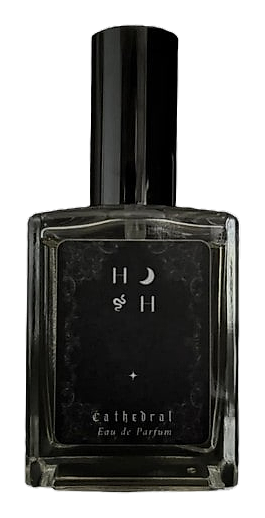
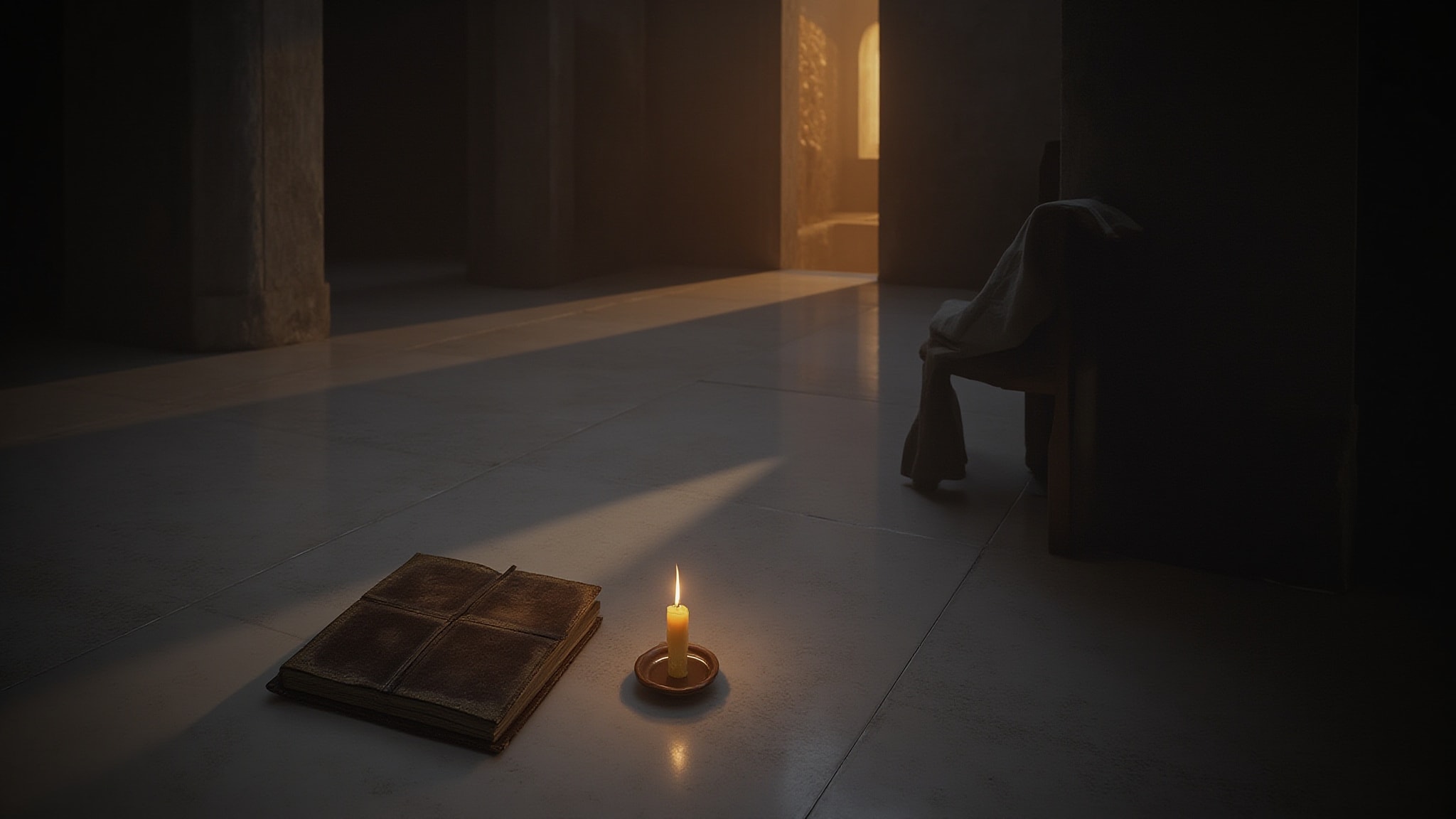
Cathedral arrived as part of Haus of Hecate's Autumn & Samhain 2024 collection, a seasonal offering that the brand chose to make permanent. The name says everything. It's a fragrance built around atmosphere rather than occasion, designed to evoke the hush and heat of incense filling ancient stone. The concept is straightforward: what does a cathedral smell like when you strip away the theology and focus only on sensation? Smoke, wood, sweetness, and something animalic underneath, the warmth of bodies in a cold space, the waxy gleam of old pews, the resinous exhale of censers swung low. That is Cathedral.
The structure follows a logic of descent. Top notes, church frankincense, smoked birch, marrons glacés, arrive like light through stained glass, bright and decorative before the weight settles in. The heart of cashmere wood, leather, and oakmoss is where the fragrance earns its name: this is the middle of the service, when the incense has been burning long enough to seep into everything, when the air is heavy and the stone walls have absorbed centuries of it. The base of cedar, musk, and patchouli is what remains the next morning, that trace on a wool coat, intimate and close. It's a composition that understands what it means to build a fragrance around a place rather than a person.
The evolution
The opening is immediate and declarative. Church incense hits first, resinous, slightly medicinal, the kind that makes you look up. Within minutes, smoked birch wood takes over, and the marrons glacés add a sweet counterpoint that keeps the smoke from being purely austere. It's the smell of glazed chestnuts sold from a cart outside a church in late autumn, warmth against cold stone. The heart belongs to leather and oakmoss. Cashmere wood bridges the transition, soft and warm, but the dominant force here is leather, not the polished leather of a new bag but the worn leather of old pews, of a Bible cover handled for decades. Oakmoss grounds it with an earthy bitterness that smells like moss growing on north-facing stone. The drydown is where Cathedral earns its name. Cedar and patchouli settle into the skin like a memory of having been somewhere sacred. The smoke doesn't disappear, it deepens, becomes inseparable from the base. Six to eight hours later, on unwashed skin or on wool, this is what remains. The cedar stays close, warm, familiar.
Cultural impact
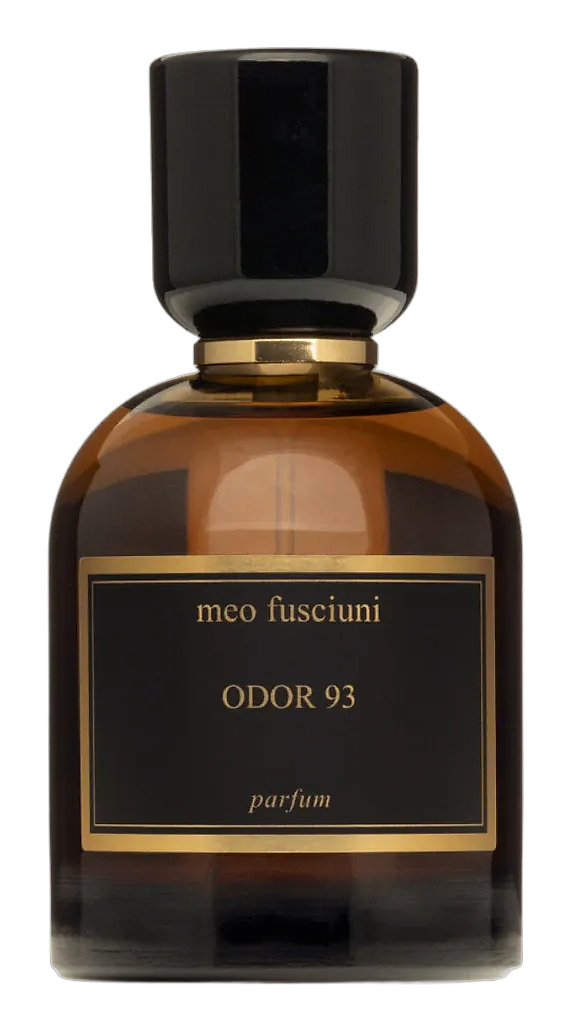
Haus of Hecate operates in the space where niche perfumery meets gothic romanticism, a growing corner of independent fragrance culture drawn to atmosphere over accessibility. Cathedral sits alongside releases from houses like Marc-Antoine Corticchiato and Meo Fusciuni in its willingness to build a fragrance around a place rather than a mood. The independent market has shown increasing appetite for compositions that ask something of the wearer. Cathedral is built for that appetite.