Church frankincense
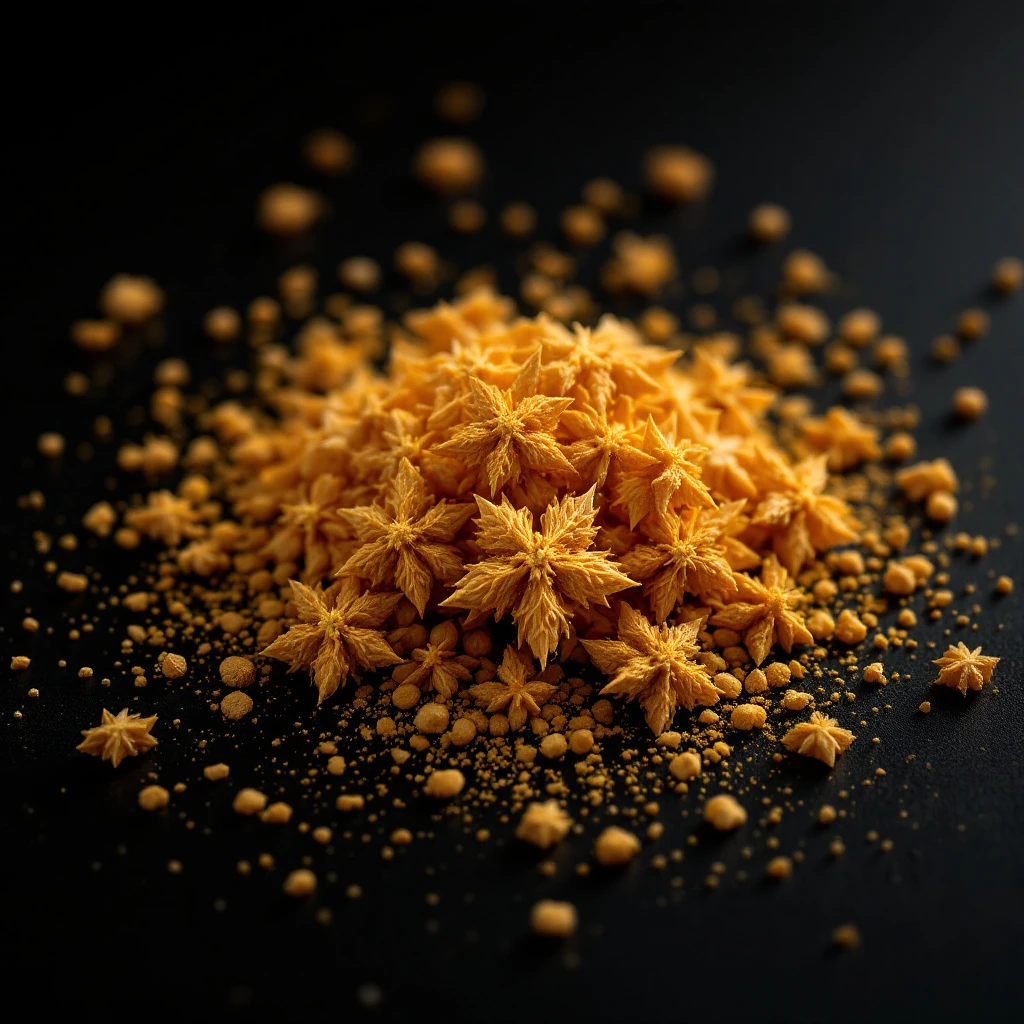
Church frankincense brings sacred resonance to fragrance compositions, offering a meditative blend of warm resin, antique wood, and hushed spiritual grandeur.
Character
How it smells
The sacred resin that gave perfume its name.
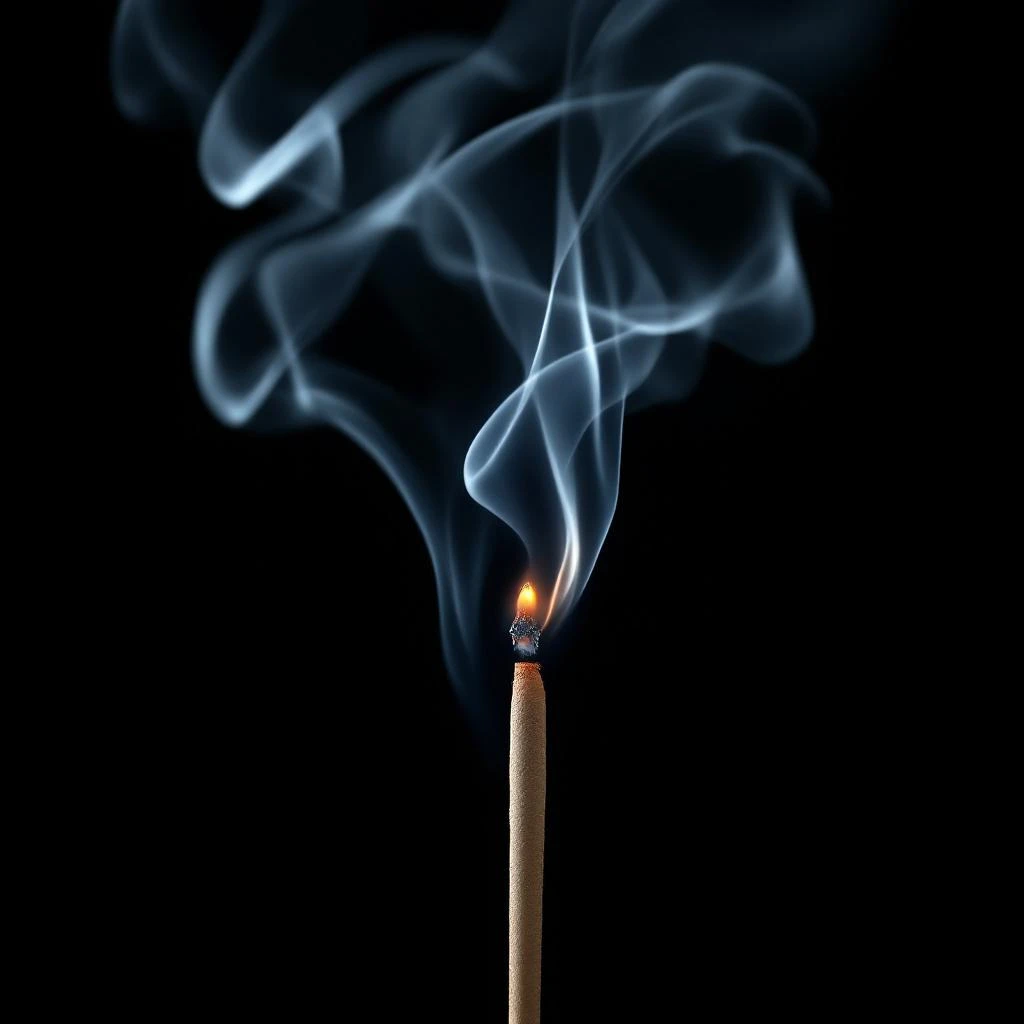
The word 'perfume' comes from the Latin perfumum, meaning 'through smoke' — a direct reference to burning frankincense.



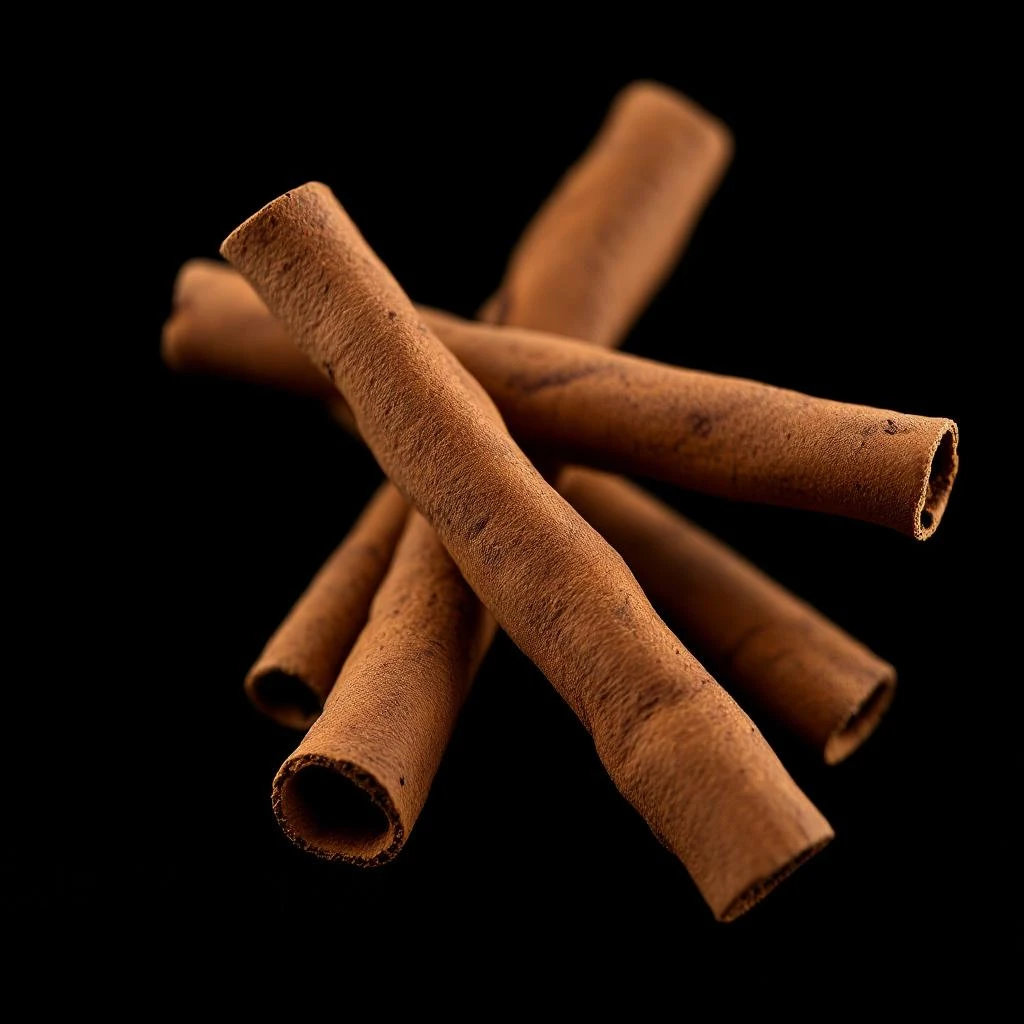
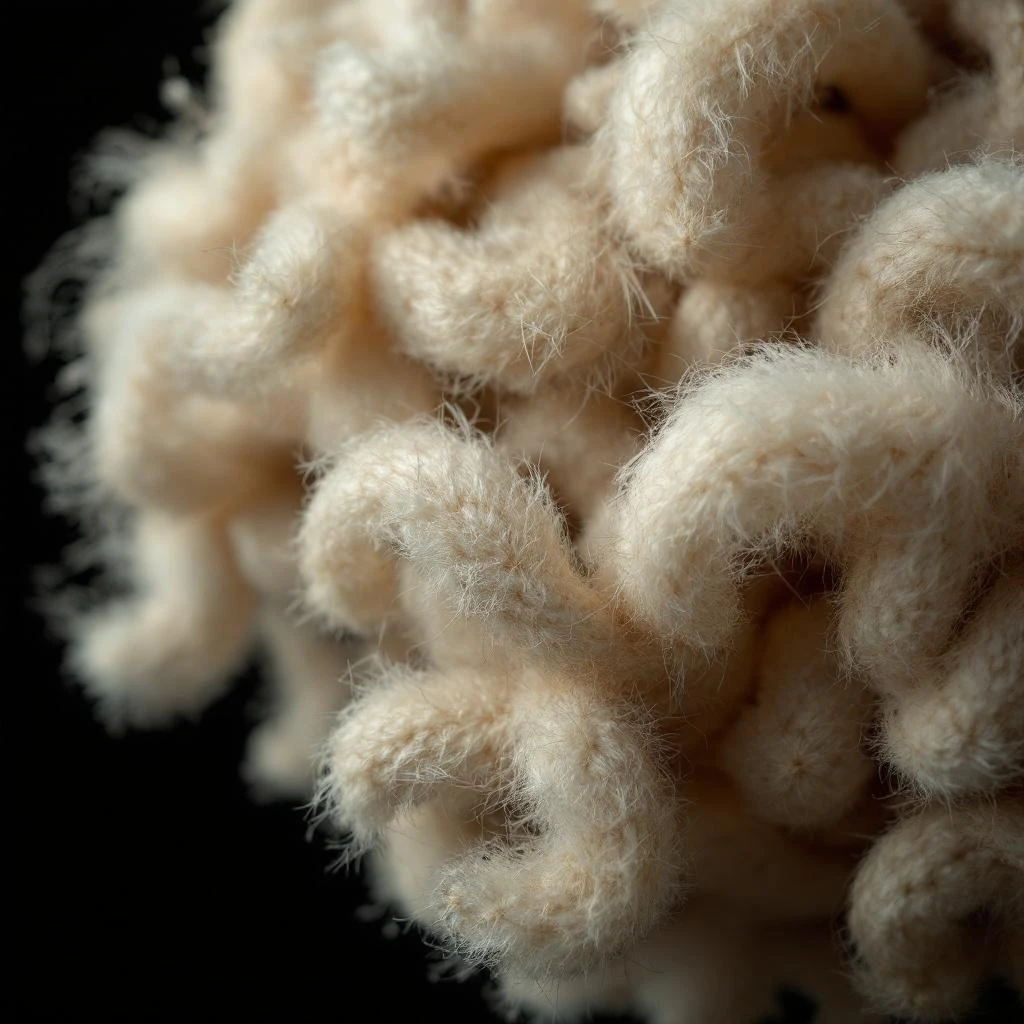

Origin
Somalia
Frankincense anchored spiritual practice across three continents for over five millennia. Ancient Egyptians packed the aromatic tears into tomb chambers and used them extensively in temple rituals.
The Bible records it as one of three gifts presented at Jesus's birth, underlining its extraordinary value. The ancient incense trade routes stretching from South Arabia to the Mediterranean were so lucrative the Romans called them the 'Highway of Incense.'
Christian churches across Eastern Orthodox, Catholic, and Anglican traditions have burned frankincense during Mass for centuries, using it to symbolize prayer rising to heaven. Today it remains one of perfumery's most revered materials, carrying centuries of sacred ritual in every drop.
Wears it best
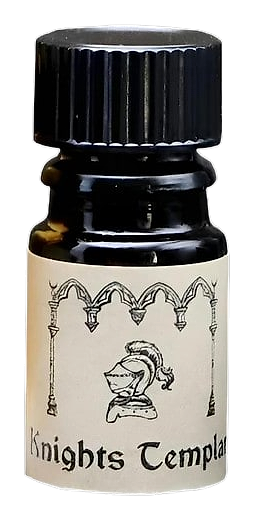
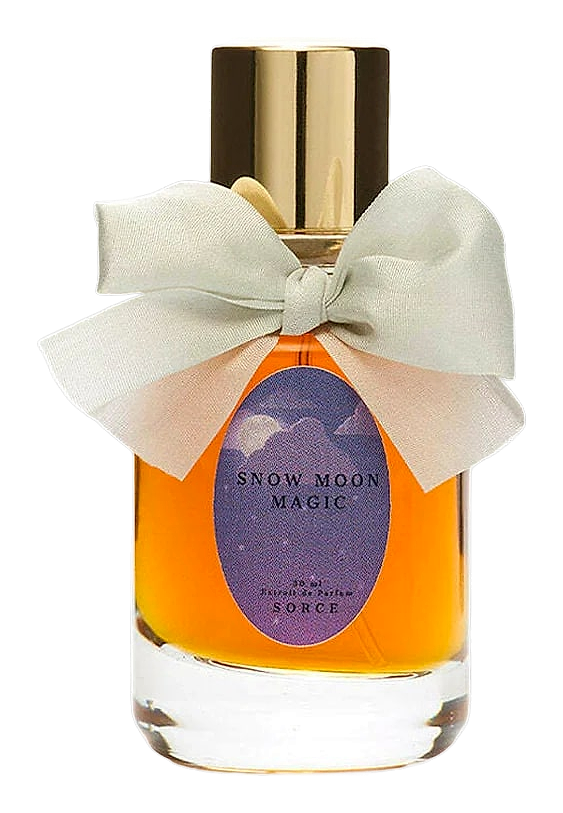
Fragrances featuring Church frankincense

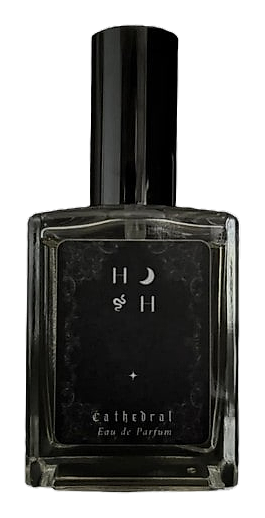
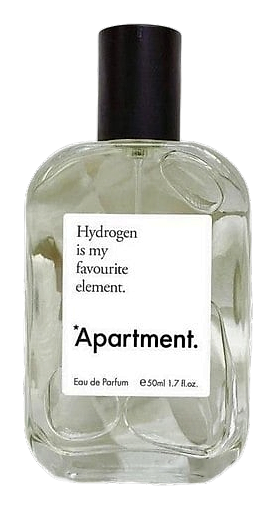
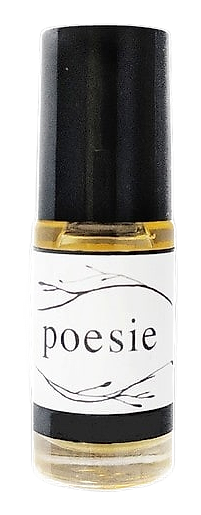
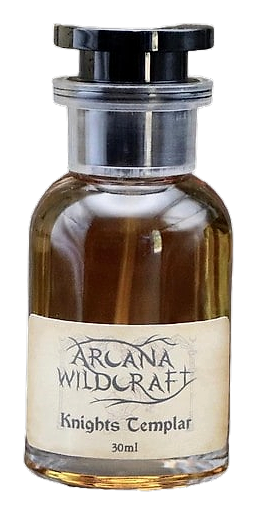
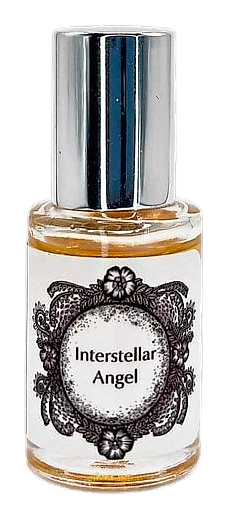
Brands
Brands known for Church frankincense
Good to know
Questions, answered
The essentials on Church frankincense in perfumery: how it smells, where it comes from, and how it behaves on skin.
Is church frankincense the same incense mentioned in the Bible?
Yes, frankincense appears prominently in biblical texts, most famously as one of three gifts the Magi brought to Jesus. Christian churches have used it continuously since early antiquity, establishing its sacred reputation.
What distinguishes church frankincense from regular frankincense?
The term refers to premium-grade resin used in religious contexts for centuries. It undergoes careful harvesting and selection, producing superior aromatic complexity suited for fine perfumery and sacred ritual alike.
Why is frankincense so highly valued?
Its scarcity and labor-intensive harvest drive value. The Boswellia trees grow only in specific arid regions, and each tree requires careful tapping over many years without causing permanent damage.
What scent does church frankincense contribute to fragrance?
It adds warm coniferous top notes, subtle citrus brightness, earthy undertones, and a deep resinous base that lends fragrance a meditative, reverent quality.
Do churches still use frankincense today?
Yes, Eastern Orthodox, Catholic, and Anglican churches continue burning frankincense during Mass and other liturgical ceremonies. Its symbolic meaning of prayer rising to heaven persists across denominations.
Where does the best quality frankincense come from?
Somalia and Oman produce the finest grades. The arid climate and rocky terrain of the Horn of Africa and Arabian Peninsula create optimal conditions for Boswellia carterii, the primary species used in perfumery.
How is frankincense resin harvested?
Harvesters make precise incisions in tree bark, collecting the resin as it weeps out and hardens. This tapping method has remained essentially unchanged for thousands of years.
What role does church frankincense play in modern perfumery?
It provides fixative properties and spiritual undertones that anchor fragrance compositions. The material's cultural heritage and complex aroma profile make it a prized component in luxury and niche fragrances.